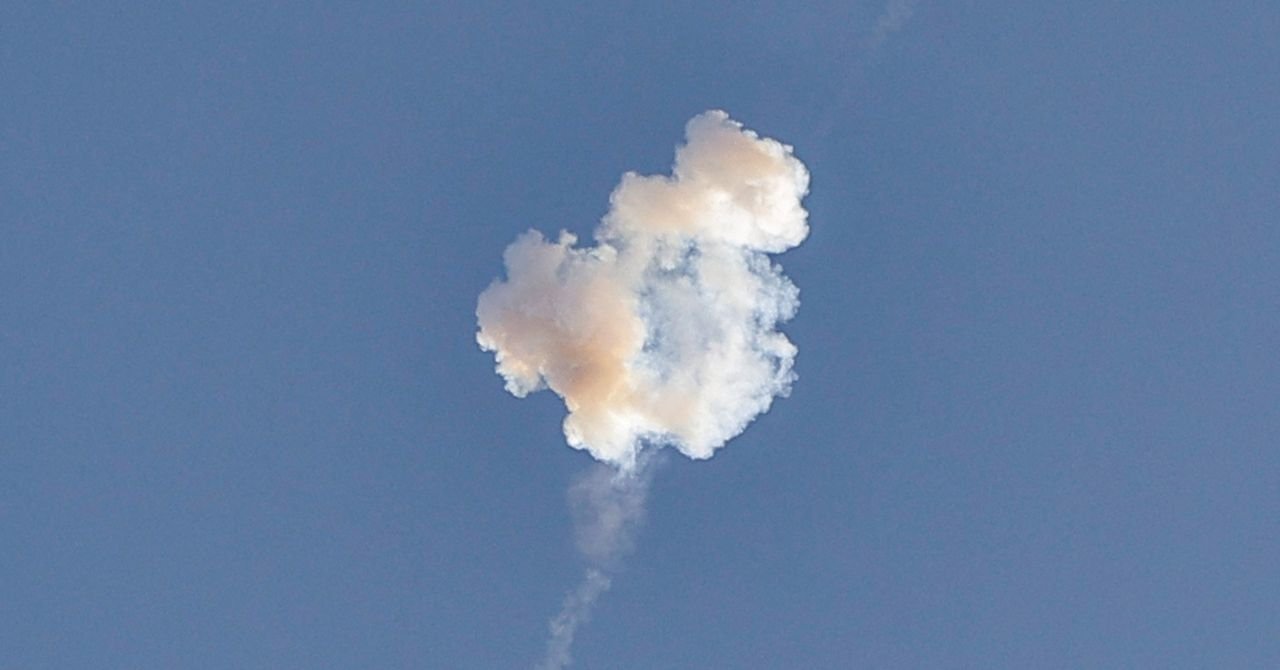
According to the ministry, the missiles were destroyed before impact. However, debris from one of the interceptors fell in Abu Dhabi, killing one civilian. Abu Dhabi is located near several strategic military installations, including Al Dhafra Air Base, which hosts Emirati and US forces.
For many residents, the event appeared as a series of distant flashes and muffled explosions in the sky. However, behind those brief moments lies a complex network of radar, interceptors and command systems designed to detect, track and destroy ballistic missiles traveling at hypersonic speeds.
Understanding what happened in those seconds means understanding how the UAE’s layered missile defense network works.
System designed to intercept ballistic missiles
The UAE’s missile shield consists of several layers of defense, such as the high-altitude Terminal High Altitude Area Defense (THAAD) and the low-altitude MIM-104 Patriot.

Developed by Lockheed Martin, THAAD is designed to intercept ballistic missiles during the final stages of their flight, as they descend toward their targets.
Unlike conventional air defense missiles, which explode close to a threat, THAAD interceptors destroy incoming missiles through direct kinetic impact, striking them at extremely high speeds, basically known as “hit-to-kill” interception.
The UAE became the first country outside the US to deploy THAAD in January 2022, having received the system as part of a multibillion-dollar defense deal in 2015.
a layered defense network
THAAD is only one component of the UAE’s comprehensive air- and missile-defense architecture. The country also operates the MIM-104 Patriot system, which is designed to intercept aircraft and ballistic missiles at low altitudes.
Together, these systems create what defense planners describe as a layered missile-defense architecture, giving operators more than one opportunity to intercept an incoming threat before it reaches the ground.
In a typical interception sequence, several steps occur within seconds:
- Test: Early-warning sensors and radar systems detect the missile launch and begin tracking its speed and projected flight path.
- Tracking and Command: That data is relayed to a command-and-control network, which analyzes whether the missile threatens populated areas or critical infrastructure and determines where to intercept.
- Interception: High-altitude interceptors such as THAAD attempt to destroy the missile in the upper atmosphere. If necessary, low-altitude systems such as Patriot provide another interception opportunity.
<a href