Similarly, in response to a sudden flooding event in the laboratory, researchers observed a highly unusual period of multi-day torpor in a golden spiny rat, its temperature reaching a low of approximately 75°F (24°C).
Geiger says this more flexible use of torpor may help heterotherms wait out disaster. In contrast, homeothermic species cannot meet their requirement for food and water and may not be able to withstand challenging conditions.
“Maybe there’s no food, maybe there’s no water, it could be really hot,” says ecophysiologist Julia Novak of Liverpool John Moores University in England, co-author of the sugar glider study. Torpor, especially in tropical areas, “has a lot of different triggers.”
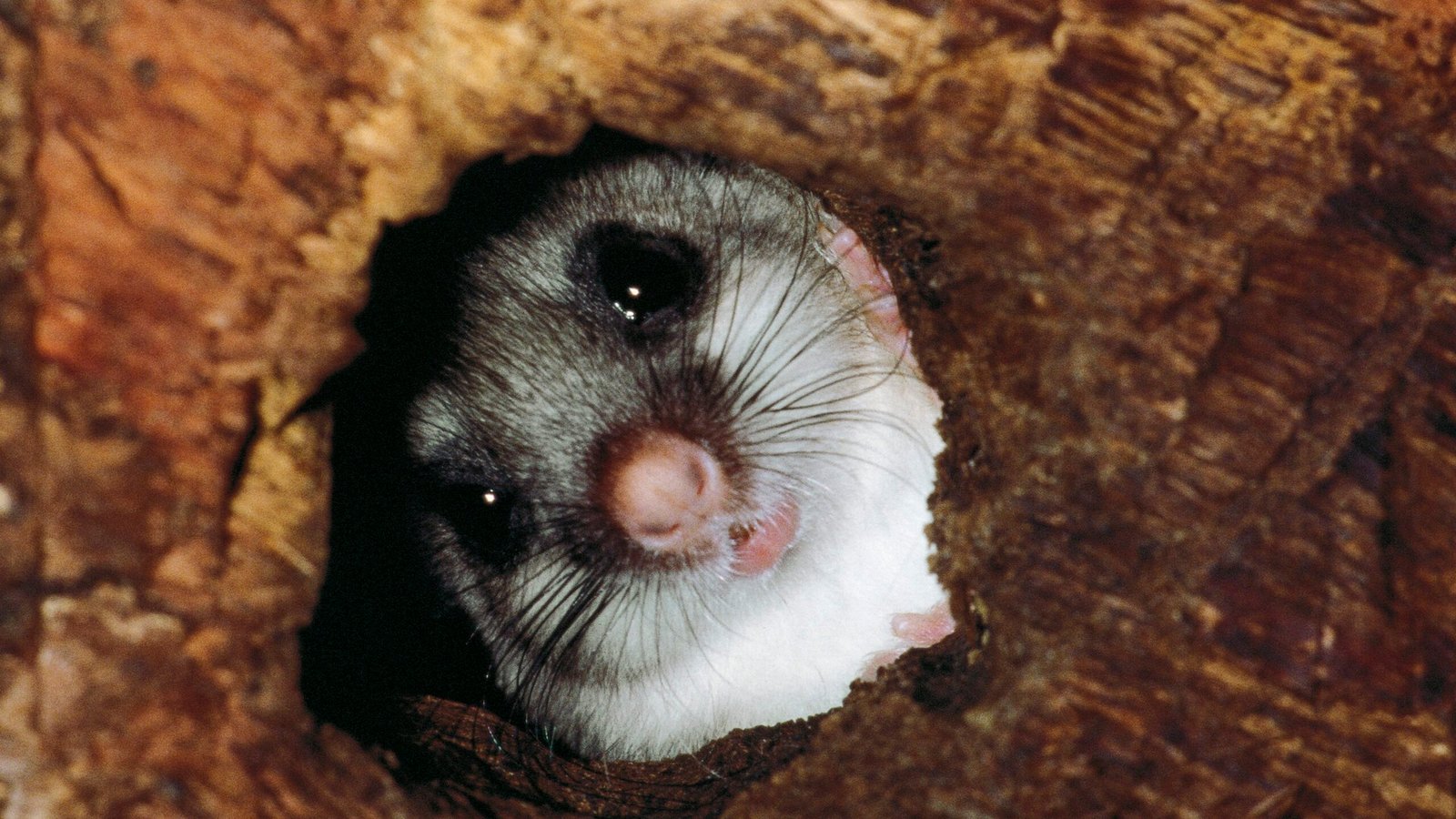
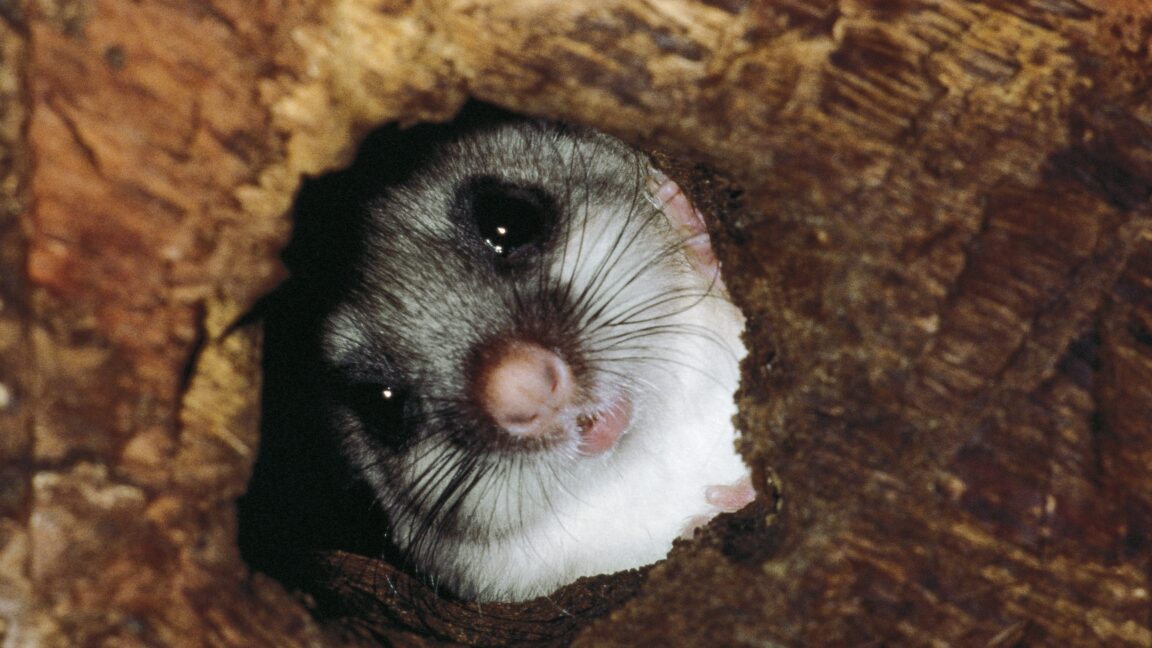
Different types of threats, such as the presence of predators, can also induce hunching. The (probably aptly named) edible dormouse, for example, sometimes remains dormant for long periods of time in early summer. At first, this behavior puzzled researchers – why avoid summer when temperatures are comfortable and food is abundant, especially if it means giving up the chance to reproduce?
After looking at years of data collected by various scientists, a pair of researchers concluded that since spring and early summer are particularly active periods for owls, these little snackable critters were choosing to spend their nights in torpor, hiding safely in underground burrows to avoid being eaten at night. As a similar strategy to avoid nocturnal predators, Fjeldal’s bats slightly alter their torpor depending on the phase of the moon, spending more time in torpor as the moon becomes fuller and easier to spot.
The Fat-tailed Dunnart, a rat-like carnivore native to Australia, is a third species that sleeps quietly when in danger of being eaten. In one study, researchers placed dunnarts in two types of enclosures: some had a lot of ground cover in the form of plastic sheeting, simulating an environment protected from predators, while other enclosures had very little cover, simulating greater risk of predation. In high-risk settings, animals received less feed and their body temperatures became more variable.
<a href