Despite being blocked from entering the US market, BYD’s unstoppable rise continues as its EV sales increased 28 percent to 2.25 million last year. By contrast, Tesla announced today that it expects deliveries of 1.64 million vehicles in 2025 – its second consecutive annual decline, and a 16 percent year-over-year decline in the fourth quarter. It’s not the only Chinese brand to overtake Tesla in the electric vehicle race; This is a remarkable change.
Last week, BYD said it sold 4.6 million “new energy vehicles” (which includes both full EVs and plug-in hybrids) globally in 2025, more than a million of which were exported cars. Its passenger vehicle exports in particular grew by more than 145 percent year-on-year.
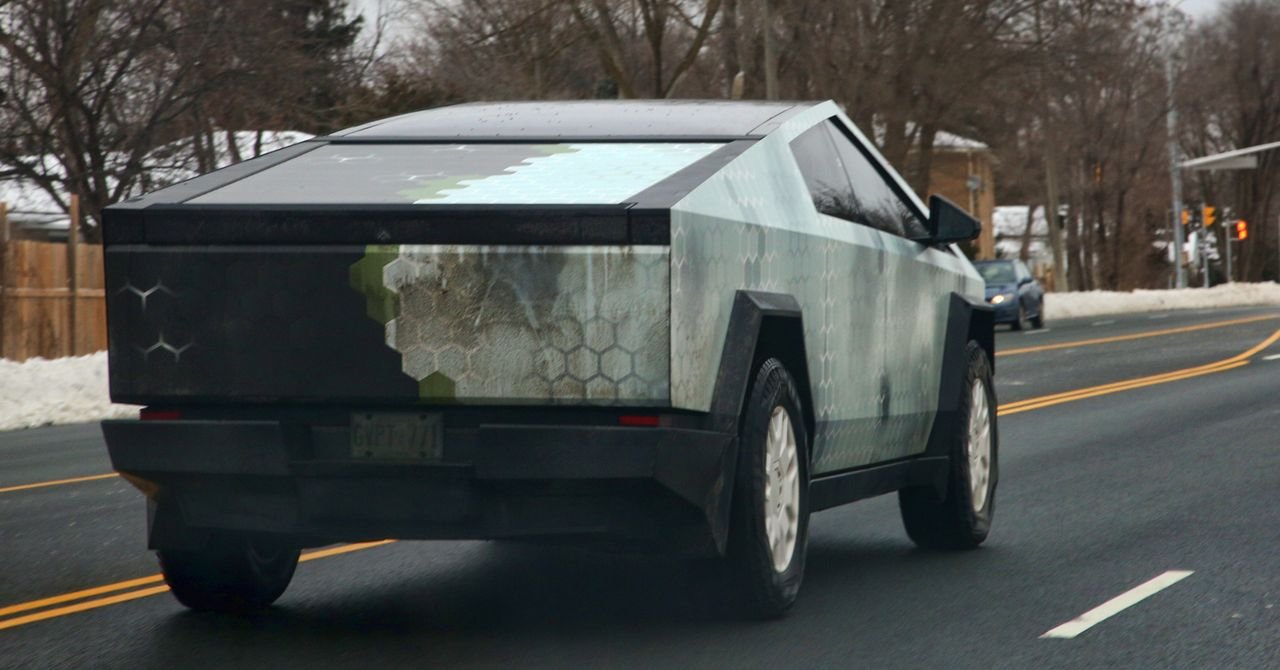
The news comes after an apparently disastrous year for Tesla, in which a half-hearted refresh of the top-selling Model Y, crucial to both Elon Musk and his car company, failed to overcome sales problems. This was also the year that revealed how few people bought the much-hyped Cybertruck; In March, another recall revealed that the company had apparently sold fewer than 50,000 electric pickups since customer deliveries began 14 months earlier. Musk told investors that Tesla would sell 250,000 Cybertrucks per year.
With Tesla sales declining in the US and a steep decline in Europe, Musk turned to US President Donald Trump for help. Trump turned the White House South Lawn into a makeshift Tesla showroom, claiming he would buy himself a luxurious Model S plaid. But by June it was reported that Trump might sell the car after a public falling out with Musk.
Just last month, EV news site Electrek reported that Musk’s SpaceX had purchased millions of dollars worth of Cybertrucks, which Tesla reportedly can’t sell. (You can see pickups lined up at SpaceX in this video.) If true, the move would substantially boost Tesla’s financial performance in the fourth quarter of 2025, giving the automaker at least some relief after the U.S. expires EV tax credits at the end of the third quarter.
“Tesla still has tremendous assets, brand recognition, manufacturing technology and a strong installed base,” says Andy Palmer, former COO of Nissan and former CEO of Aston Martin Lagonda. “The challenge is that the market has matured while the product line has not moved fast enough. People are struggling to justify spending on a Tesla when other brands, including China, are introducing more innovative and advanced products.”
<a href