Two teenagers and a digital rights group led by a New South Wales state politician are seeking an urgent High Court order to block Australia’s under-16 social media ban, just two weeks before the ban is set to begin.
The two youngsters, 15-year-old Noah Jones and Maisie Neyland, are supported by the Digital Freedom Project – an initiative led by NSW Libertarian MP John Ruddick.
The Digital Freedom Project said it was challenging the law on the grounds that Australians have a constitutionally inherent right to freedom of political communication.
The group announced its plans on Wednesday, but court documents were not made available as of Thursday.
The documents state that the ban “will prevent individuals under the age of 16 from using account-based social interactions to engage in communications between them regarding political and government matters across all social media services and platforms, which are the dominant platforms for such communications by 13 to 15-year-olds in Australia.”
The group has argued that simply giving teens access to some sites like YouTube in a logged out view was not enough.
“Logged-out viewing does not provide a meaningful substitute for the interactive functions that are integral and necessary to contemporary methods of free political communication by persons aged 13 to 15 and to the maintenance of the integrity and efficacy of the system of representative and responsible government mandated by the Constitution.”
The federal government, the Communications Minister and the eSafety Commissioner have all been named as defendants in the case, and the Digital Freedom Project is seeking an injunction to stop the parties from enforcing the ban.
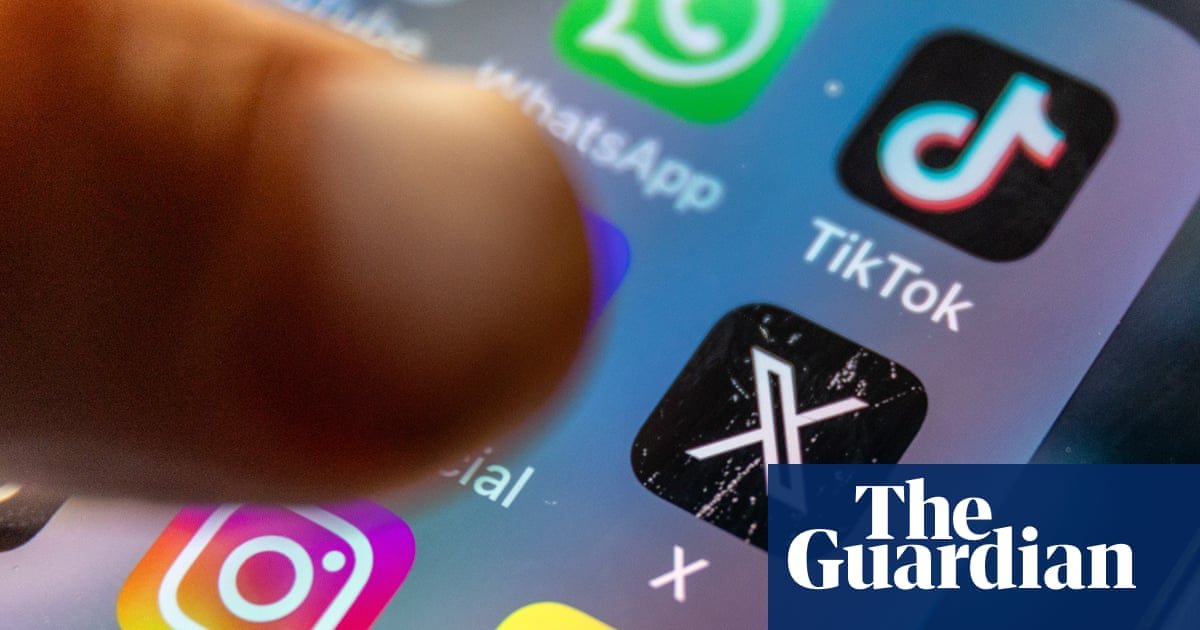
Facebook, Instagram, Snapchat, TikTok, YouTube, X, Twitch, Kik and Reddit will have to stop children under 16 from having accounts under the law from December 10.
The Digital Freedom Project has argued that social media restrictions would “unfairly disenfranchise” 2.6 million young Australians.
Sign up: AU Breaking News Email
“This issue should concern every Australian,” Ruddick said in a statement. “This ban is disproportionate and will directly or indirectly infringe on the rights of every Australian.
“This ban is a direct attack on young people’s right to freedom of political communication. But it’s worse than that. All kids will be banned on December 10, and the rest of us will have to prove our age and potentially provide ID to access social media.”
Under the ban, platforms can accept ID as a form of age verification, but it must not be the only method of identification.
Both Meta and Snap Inc. have said they will use ID checks as a fallback option in the event that facial age estimation incorrectly estimates an account as someone under 16. Both companies have said they have ways to determine which accounts are likely to be held by children under 16.
“We’re frustrated by a lazy government that bans children under 16 from using social media instead of investing in programs to help keep them safe,” Jones said. “They should be protecting children with safeguards, not silence.”
“If you personally think kids shouldn’t be on social media, stay away from it yourself, but don’t force that on me and my peers,” Neyland said. “Drive us to fake profiles and VPNs is bad security policy. Bring us to safe places, with rules that work: age-appropriate features, privacy-first age assurances, and fast removal.”
According to the documents, Neyland will turn 16 before the ban takes effect, but the statement of claim argued that the ban is “forcing her to give up her privacy and anonymity by submitting personal identification in order to continue using social media.”
Communications Minister Anika Wells said the government was prepared to face a legal challenge in Question Time on Wednesday.
He said, “Despite the fact that we are receiving threats and legal challenges from people with ill intentions, the Albany Labor government is firmly on the side of parents, not the platforms.” “We will not be intimidated by threats. We will not be intimidated by legal challenges. We will not be intimidated by big tech on behalf of Australian parents. We are determined.”
The high court will determine whether it will hear the case. The court’s next meeting days are the first two weeks of December.
YouTube has also raised the possibility of the Albany government challenging its inclusion in the social media ban in the High Court. The company has not responded to multiple requests to confirm its plans.
<a href
Witamy w polskim legalnym internetowym kasynie Slottica – miejscu stworzonym dla hazardzistów online w Polsce! Casino Slotica w polskiej wersji językowej otwiera przed Tobą świat pełen emocjonujących gier za darmo i atrakcyjnych nagród bez rejestracji. Strona przyciąga nowych użytkowników między innymi premią powitalną 25 zł bez konieczności wpłaty depozytu. W badaniu przeprowadzonym wśród ponad 8500 graczy wielu z nich wskazało Slottica jako jedną z najciekawszych stron z automatami online dostępnych w Polsce. W katalogu gier znajdują się znane produkcje, w tym Chicken Road 2, Fire Joker, Funky Time, Dog House 1000 czy Energy Joker: Hold and Win. Od momentu startu projektu w 2019 roku platformie zaufało już ponad 350 000 użytkowników. Serwis działa na podstawie licencji wydanej przez regulatora z Curaçao, co zapewnia zgodność z europejskimi standardami branży iGaming. Ambicją marki jest oferowanie jakości usług, która może skutecznie konkurować z popularnymi serwisami pokroju TotalCasino.