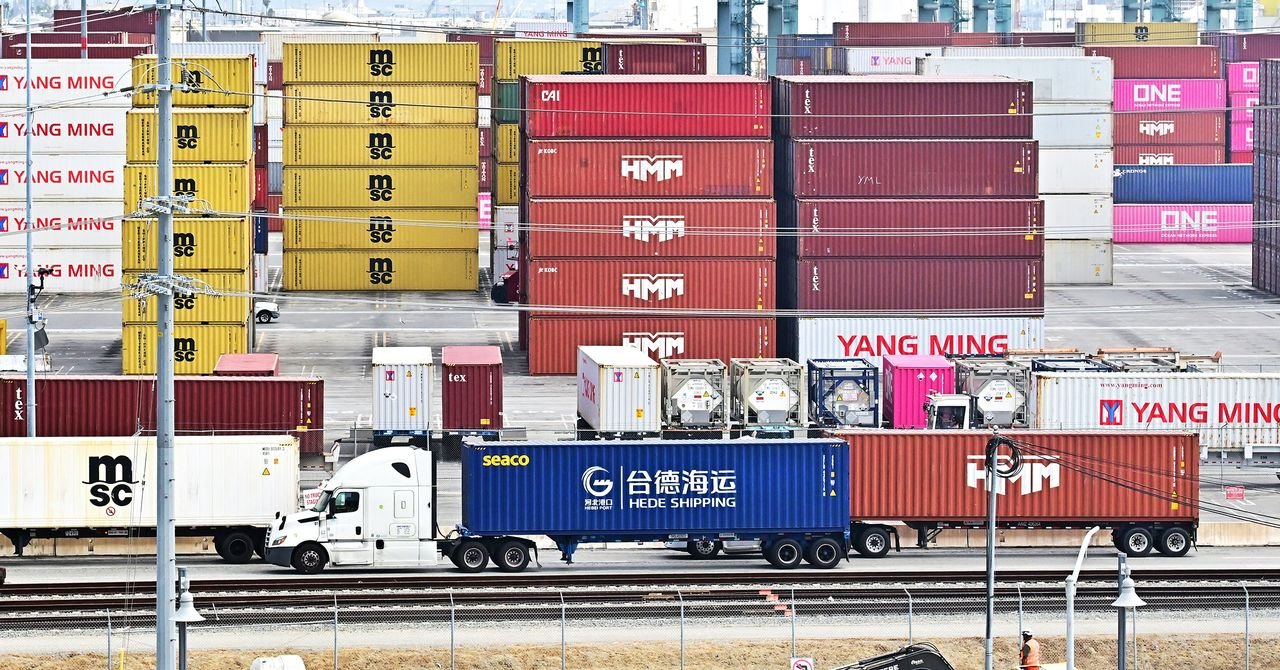
Since the beginning of his second term, Trump has imposed a variety of tariffs targeting almost every country in the world. Most of these tariffs, including the chaotic so-called “reciprocating tariffs” last April that sought to tax even islands with only penguin populations, were authorized under IEEPA pursuant to administration executive orders.
From the beginning, legal scholars have questioned whether IEEPA was intended to cover tariffs. Chief Justice John Roberts wrote in his opinion striking down the tariffs, “It is also telling that in the half-century of IEEPA’s existence, no President has ever enacted legislation imposing any tariff, let alone a tariff of this magnitude and scope.” Instead, the President “must identify clear congressional authority to implement it,” he wrote.
Friday’s decision is a significant and rare push back from the Supreme Court against the Trump administration’s destabilizing policies. Justices Clarence Thomas, Samuel Alito and Brett Kavanaugh dissented.
According to CNN’s Kaitlan Collins, during a White House breakfast with governors on Friday morning, Trump reportedly called the decision “disgraceful” and said he had a backup plan.
The Supreme Court’s decision does not cover all tariffs announced in the last two years. For example, steel, aluminum and copper do not have sector-specific impacts because they were imposed under different presidential authorities.
“Small businesses are right to worry that the Administration will respond to this legal defeat by reimposing the same tariff policy through other means,” Dan Anthony, executive director of the small business coalition We Pay the Tariffs, said in a statement. “Reimposed tariffs under different legislative approaches would have the same devastating effect.”
However, it will not be easy for the administration to change those tariffs immediately, as other relevant policies often come with their own processes and lengthy trade checks before ordering tariffs.
The decision also begins the process of refunding the huge amount of tariffs collected last year. Economists estimate that more than $175 billion could be collected through February 2025 under IEEPA tariff policies. In January, anticipating the Supreme Court’s decision, Trump posted on Truth Social that the refund process would be “a complete mess, and almost impossible for our country to pay.”
Several major companies, including Costco, Prada, BYD and Goodyear, have filed lawsuits against the federal government seeking tariff refunds. Cantor Fitzgerald, the financial services company run by the sons of U.S. Commerce Secretary Howard Lutnick, has also created ways for its clients to bet that the tariffs will be overturned, WIRED first reported in July 2025.
<a href