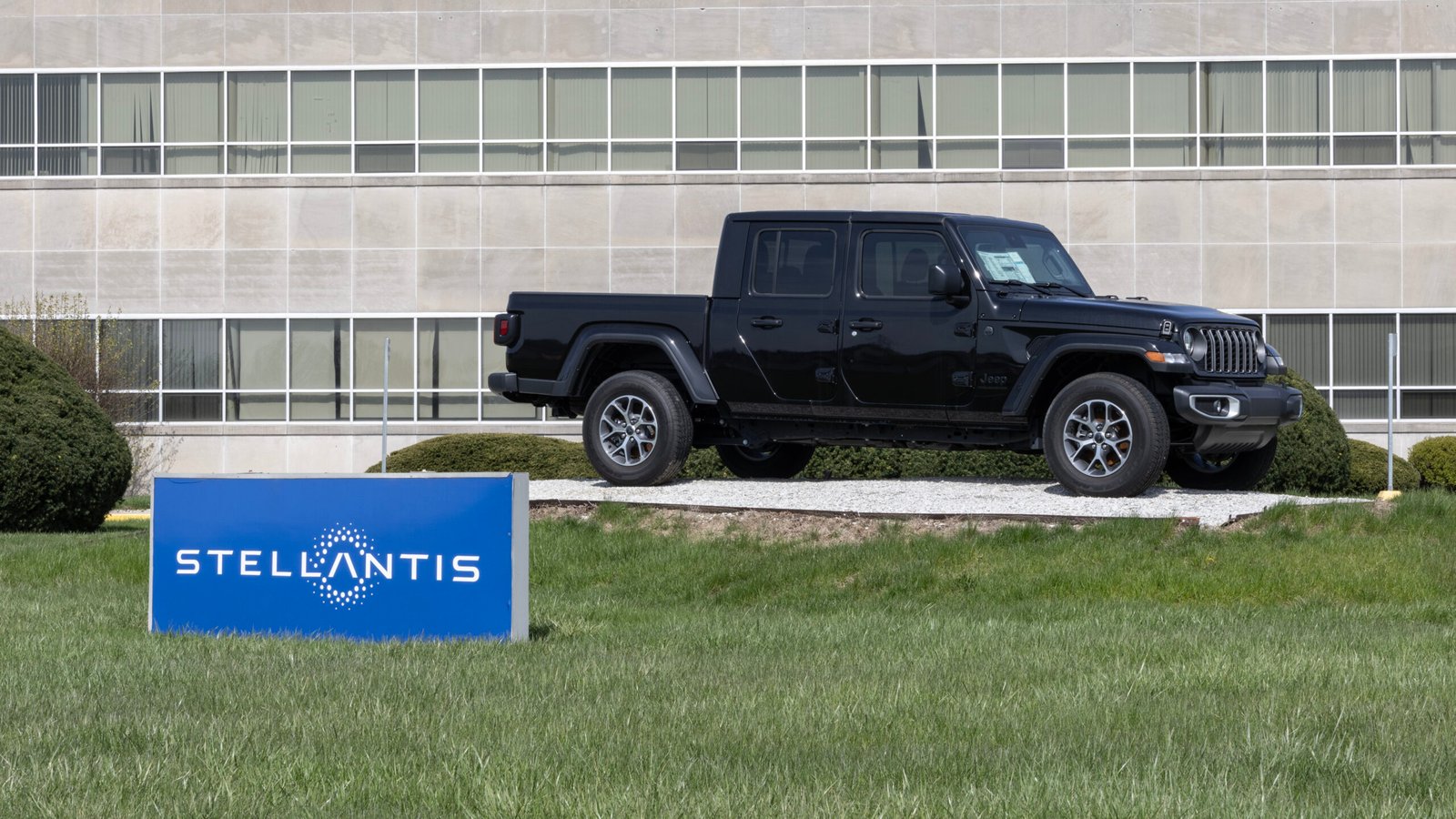
The automotive industry’s big bet on the rapid adoption of electric vehicles — at least here in the United States — continues to weaken. Today, Stellantis, which owns Jeep and Dodge as well as Fiat, Peugeot and other brands, announced it has “reset” its business to adapt to reality, which comes with a fairly painful write-down of $26.2 billion (22.2 billion euros).
It wasn’t that long ago that everyone was more excited about electrification. Even the US had relatively ambitious plans to boost EV adoption over the next decade, including a big commitment to charging infrastructure. Ten new battery factories were announced, and the future looked bright.
Not everyone agreed. Some automakers, left behind by the push toward battery EVs and away from simple hybrids that offer little in the way of real decarbonization, lobbied hard to relax fuel efficiency standards. Car dealers, uncomfortable with the prospect of investing in and learning about new technology, did the same. When the Republican Party won the 2024 election, the rebels got their wish.
Incentives for consumers and businesses to buy EVs dried up, helping to offset the higher purchase price. Funding for that national network of high-speed chargers. Tougher future emissions standards were scrapped, and instead inefficient and polluting gasoline engines would become the order of the day. And automakers were told to forget about imposing fines under existing rules – “sell as many gas-guzzlers as you want” was the message. (But, oddly, import those little Japanese kei cars, too.)
reality bites
Stellantis is hardly alone in feeling this pain; In December, Ford announced a $19.5 billion write-down as it reprioritized combustion-engine platforms moving forward. GM reported in early January that canceling some of its EV plans would cost the company $6 billion. Neither bill is as big as the one facing Stellantis (and its shareholders).
<a href