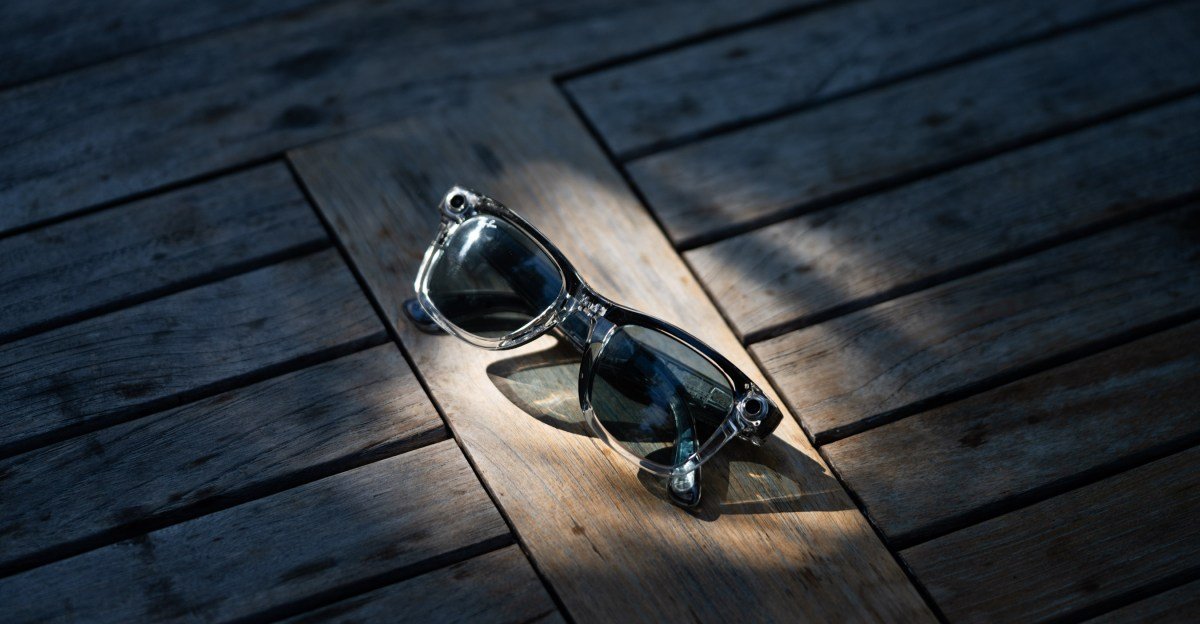
When Meta CEO Mark Zuckerberg arrived at a Los Angeles courthouse on Wednesday, he did so accompanied by an entourage, appearing to be wearing Meta’s camera-equipped Ray-Ban smart glasses. Judge Caroline Kuhl was concerned. According to CNBC, Kuhl warned anyone recording with the glasses, “If you did that, you have to remove it, or you’ll be held in contempt of court.” Kuhl also ordered everyone wearing AI smart glasses to remove them. Even after the warning, at least one person was seen wearing the glasses around jurors in the courthouse hallway, although plaintiff attorney Rachel Lanier was told the glasses were not recording at the time.
Glasses with recording capabilities have raised concerns about privacy, surveillance, and doxxing in all kinds of venues, and the courtroom is no exception. Earlier this month, a user on the r/legaladvice subreddit shared a post asking for advice on how to report a plaintiff wearing Meta glasses to court. Additionally, in recent months, some state courts have moved to specifically ban smart glasses, including the U.S. District Court for the District of Hawaii and the Western District of Wisconsin. The Forsyth County Court in North Carolina also banned smart glasses last year. Colorado’s district court is also considering a ban.
However, as smart glasses become more common, keeping courts safe from unwanted recordings may become an uphill battle.
Although bans on smart glasses in courts may be a relatively recent development, limits on cameras and recording are nothing new. Since 1946, Federal Rule of Criminal Procedure 53 has prohibited the recording or broadcasting of criminal proceedings in federal courts. In 1972, the Judicial Conference of the United States banned recording and broadcasting in the courtroom and surrounding areas, including both civil and criminal cases. The only significant exception to those rules was in 2020, when the Judicial Conference temporarily allowed teleconferencing due to the COVID-19 pandemic, though that exception expired in 2023.
At the state level, laws regarding cameras in courtrooms vary from state to state and have changed over the years. Most states allow recording in some capacity. However, there are often restrictions, such as requiring the judge’s approval, prohibiting the recording of certain aspects of the trial, or allowing recording only for certain people, such as members of the media.
There are many reasons for banning recording devices in the courtroom. For example, the presence of cameras could potentially be used to intimidate witnesses or jurors, or cause people to behave or speak differently if they knew they were on camera. Privacy and security can also be an issue, especially in cases involving minors, who are often allowed to remain anonymous in court records. If worn in court, smart glasses like the Meta could be used to record court proceedings without the judge’s knowledge or permission, potentially jeopardizing the privacy of everyone involved in the case.
Dario Maestro, Legal Director of the Surveillance Technology Oversight Project (STOP), commented The Verge Smart glasses are no exception to the recording restriction. “Courts have long banned recording devices for good reason, to protect the integrity of witnesses, jurors and proceedings. No judge would allow someone sitting in the gallery pointing a smartphone at the witness stand, even with the camera app closed. Glasses that can covertly record deserve at least the same scrutiny.”
Although the phone can be easily removed, a person who needs corrective lenses may find it difficult to take off the smart glasses. If glasses become more common, regulations may become more difficult to enforce. Meta projected to sell 7 million pairs of smart glasses in 2025, and other companies are taking notice — Apple is reportedly aiming to release a pair of glasses in 2027.
“No judge will allow someone to sit in the gallery on the witness stand pointing a smartphone”
The glasses usually have an LED indicator that is visible while recording, but it can be disabled without authorization and, even when it is working, is easily missed. Meanwhile, the features are getting more invasive: Earlier this month, an internal memo from Meta was revealed indicating that the company is planning to add facial recognition, allowing users to identify people by name.
Judge Kuhl made it clear that she would not allow recording with smart glasses in the courtroom. A blanket ban on smart glasses in court is still rare in the US, so such orders would likely be the most direct and commonly used strategy to keep glasses out of court proceedings for the time being.
Alan Butler, executive director and president of the Electronic Privacy Information Center (EPIC), said in a statement, “Judges generally have a high degree of control over what items and devices are allowed in their courtrooms, and I expect most people will respond as strongly as Judge Kuhl did against any efforts to improperly record proceedings.” The Verge.
Butler said, “The fact that Meta’s legal team came to this hearing to hear about the dangers that their systems pose with invasive glasses puts jurors and others in the courtroom at risk. But the judge’s response was refreshing and shows that this kind of behavior does not need to be tolerated.”
<a href