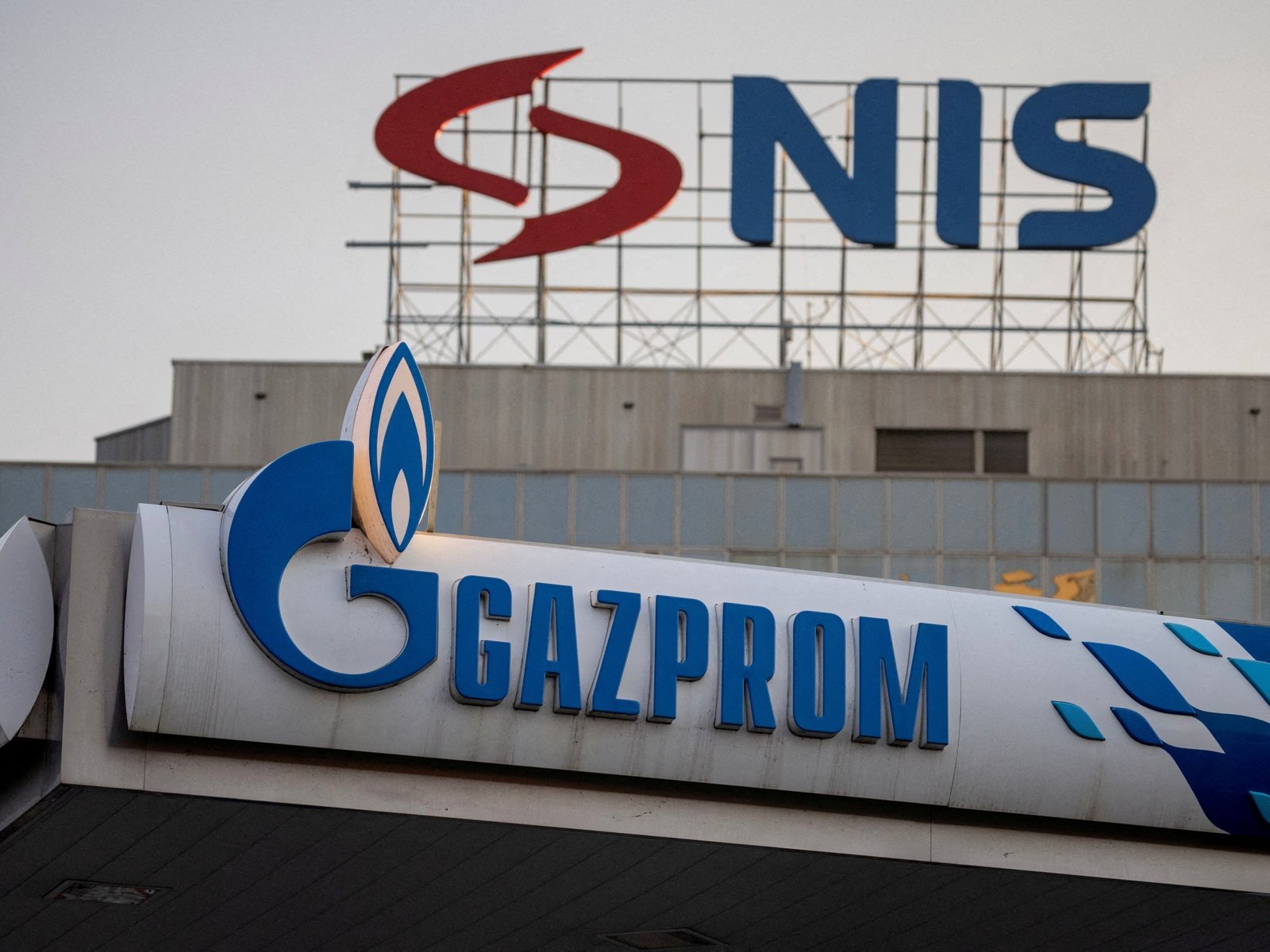
The country’s only oil refinery, Pančevo, is now on ‘hot standby’ as Vucic faces the daunting prospect of having Russian assets seized.
Serbian President Aleksandar Vucic has warned that the country’s only oil refinery will close within four days if the United States does not lift sanctions imposed on its majority Russian ownership in connection with the Ukraine war.
Vucic said on Tuesday he would give Russia’s Gazprom and Gazprom Neft, which owns 56.2 percent of Serbia’s Petroleum Industry (NIS) oil company, 50 days to sell their stakes or the Serbian state would take over operations and offer to buy them out.
Recommended Stories
list of 3 itemsend of list
For Vucic, who has close ties to Moscow, the option of freezing Russian assets may be unpalatable, but he said his country had been left in an “increasingly difficult situation” with “no easy solutions” because of the confrontation between Washington and the Kremlin.
US sanctions imposed on NIS in October have cut crude supplies to the Pancevo refinery, the country’s only oil refining facility. “It has not been shut down yet, but it is already running at a lower level than normal,” Vucic said.
“Serbia is facing big problems… When you impose sanctions against Russia and its companies, they affect our country,” he said, adding that US sanctions could affect supply lines and power generation in the middle of winter.
Vucic said the Balkan country has ample fuel reserves in the short term, but a complete shutdown of its only refinery would halt production of gasoline, diesel and jet fuel and could damage the country’s economy.
NIS said in a statement that it had begun preparations to shut down its Serbian refinery by placing it on so-called hot standby, which would allow it to be restarted once crude becomes available.
“NIS continues to supply petroleum products to the domestic market without any interruption thanks to the already secured stocks,” it said.
The US Treasury Department’s Office of Foreign Assets Control imposed sanctions on Russia’s oil sector in January – including NIS, which had been repeatedly exempted before the sanctions took effect in October.
After the sanctions were imposed, banks stopped processing NIS payments, and Croatia’s JANAF pipeline stopped delivering crude oil to the refinery, forcing the Balkan country to seek alternative supplies.
The Serbian central bank also said in a statement that it would stop all payment transactions for NIS if the company’s operating license was not extended.
Washington is demanding a full Russian divestment from NIS, and on November 1,5 it gave the company’s owners until February 13 to find a buyer for the Russian stake.
According to news agency Reuters, Gazprom Neft owns 44.9 percent of NIS and Gazprom owns 11.3 percent of NIS. Serbia holds a 29.9 percent stake, with the rest held by smaller shareholders.
Oil company Gazprom Neft is a subsidiary of energy giant Gazprom.
<a href