
The Senate Agriculture Committee had also already postponed its debate on its version of the bill to January 27. Both committees were originally scheduled to mark up their respective versions of the bill on Thursday.
Once finalized, both versions will be combined and voted on by the entire Senate. The House already passed its version of the Clarity Act last year, so after passing the Senate the bill will go straight to President Trump’s desk for his final signature.
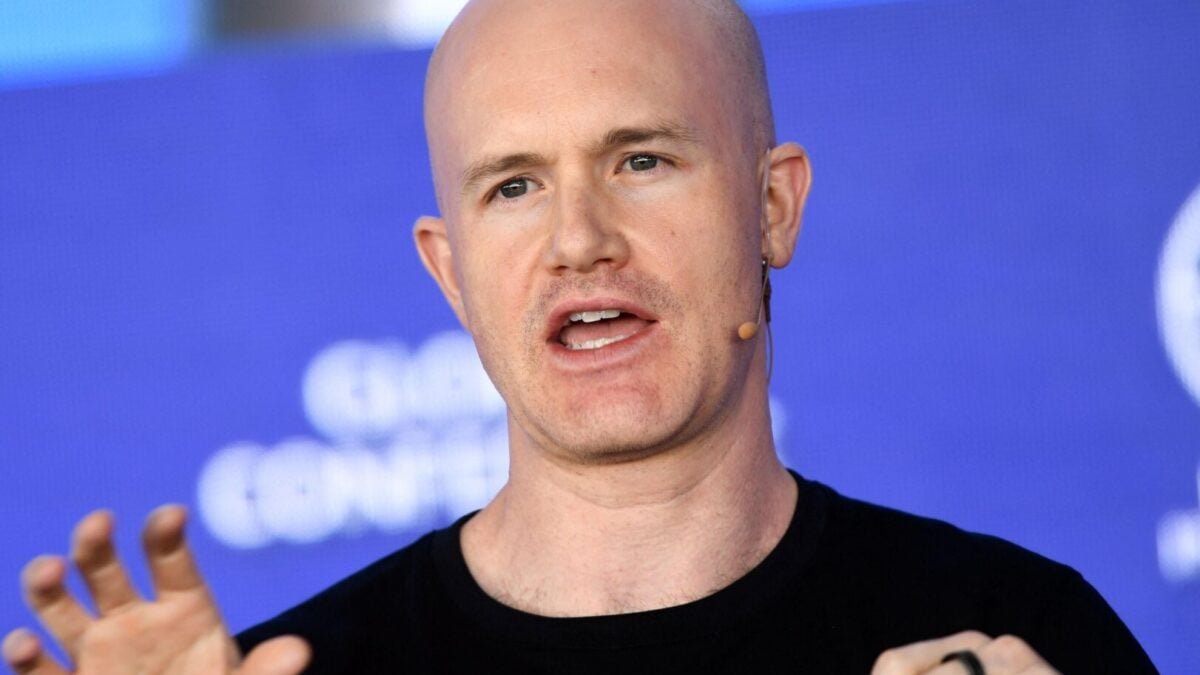
Notably, the Senate Banking Committee’s decision to move forward with deliberations on the crypto market structure bill came after Coinbase CEO Brian Armstrong shared his disapproval of the Senate Banking Committee’s draft version of the bill. “We’d rather have no bill than a bad bill. Hopefully we can all draft a better one.”
Armstrong later said he is optimistic that a better bill can be drafted, and Coinbase will continue to work with everyone to make that happen. According to a report by Wall Street firm Benchmark, Armstrong’s move may be more a negotiating tactic than anything else.
After reviewing the Senate Banking Draft text over the past 48 hours, Coinbase unfortunately cannot support the bill as written.
There are a number of issues, including:
– Actual ban on tokenized equity
– Banning DeFi gives the government unlimited access to your financial…– Brian Armstrong (@brian_armstrong) 14 January 2026
Coinbase and other members of the crypto industry are demanding regulatory clarity from the federal government regarding crypto, as they feel it was not provided by the Biden administration. Former SEC Chairman Gary Gensler is commonly seen as a villain among many crypto proponents, as the SEC policy under his reign was effectively that every crypto asset other than Bitcoin was operating as an unregistered security. That said, this stance changed rapidly toward the end of Biden’s term, as an exchange-traded fund for Ethereum was approved.
Key areas of interest in the new bill for the crypto industry include tokenization of stocks and other traditional assets, clearer guidelines on when a crypto asset is considered a security, and protections for developers who do not take custody of their users’ assets. While stablecoins received more clarity from the Genius Act last year, traditional banks now want to see changes to those guidelines so as not to put themselves at a competitive disadvantage to the emerging crypto sector.
Indeed, according to CoinDesk, members of Congress are effectively dealing with competing lobbyists from both the crypto and traditional banking sectors and trying to find a way to please everyone. According to Open Secrets, the crypto lobby invested $133 million in the 2024 election cycle in an effort to get more favorable regulation from Washington, and now it’s time for the industry to get a return on that investment.
I have spoken to leaders in the crypto industry, the financial sector, and my Democratic and Republican colleagues, and everyone is acting in good faith.
As we take a brief pause before moving on to the markup, this market structure bill shows the timing of the months…
– Senator Tim Scott (@SenatorTimScott) 15 January 2026
Developer security is an area of interest to crypto users, especially those who are philosophically aligned with the core ethos of decentralization and permissionless finance that underpins the original creation of Bitcoin. The developers of privacy-focused Bitcoin wallet Samurai Wallet recently received prison sentences of four and five years for developing software that allowed users to mix their Bitcoins with others in an effort to hide the origin of the funds.
While the former CEO of crypto exchange Binance received a pardon from President Trump for a conviction related to relaxing anti-money laundering standards at his exchange, Samurai Wallet developers have yet to receive the same treatment from the President. In particular, the pardon of the Binance CEO has been described by a former DOJ official as unprecedented corruption, as Binance owned a Trump-associated stablecoin, known as USD1, which effectively generated millions of dollars in revenue for the stablecoin’s issuer. The lack of pardon so far for Samurai Wallet developers creates an awkward situation for the President due to the optics in terms of a pardon for the former crypto exchange CEO. That said, President Trump previously said he would consider a possible pardon for Samurai Wallet developers.
The potential lack of protections for non-custodial wallet developers in the crypto regulation bill has been a point of concern for the past few months. And the potential lack of such protections, in addition to the lack of minimal tax exemptions for Bitcoin payments, would provide further support for the argument that Trump’s election has primarily empowered large crypto institutions (and himself) rather than individual users involved in the so-called democratization of finance.
For now, nonprofit crypto advocacy group Coin Center said, “Although some issues remain… we are very encouraged by the tremendous progress made by Senate Banking.”
<a href