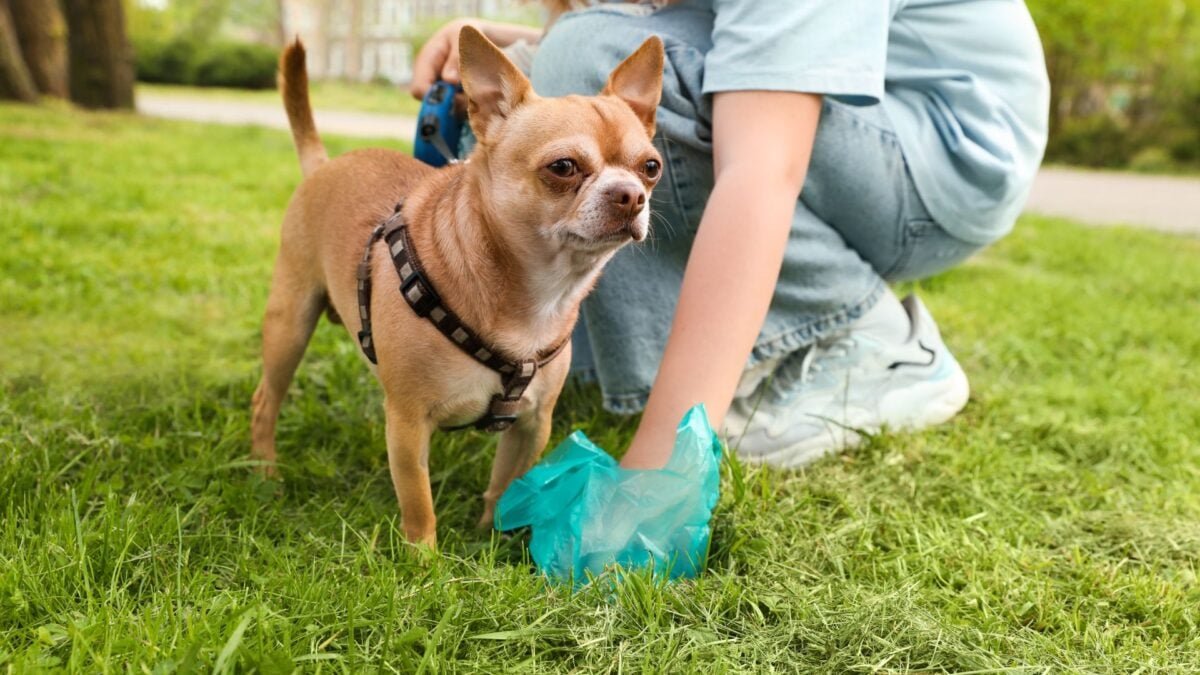

Researchers in France studied the feces of cats and dogs that were given certain antiparasitic medications, called isoxazolines. Even after treatment ended, they continued to find some of the medication in the pet’s feces. They also concluded that essential, feces-loving insects in the wild are likely being exposed to dangerous levels of these compounds through insect-treated pets.
“These findings emphasize the need for further research on the effects of environmental contaminants and veterinary parasiticides on non-target species,” the researchers write in their paper published Wednesday in Environmental Toxicology & Chemistry.
A convenient but possibly risky option
Isoxazoline is a relatively new type of antiparasitic drug, the first of its kind to be approved in 2013.
These medications have increasingly become a popular choice among veterinarians and pet owners for several reasons. They can treat both ticks and fleas, are usually available as an easy-to-take pill, and provide a long-lasting effect (at least a month) that can prevent further infestations. Bravecto Quantum, one of the newest approved drugs on the market, may also work for up to a year, although it has to be given as an injection.
While isoxazolines are effective, some experts and health agencies are concerned about the effects they may have on unsuspecting insects and other arthropods, as these drugs can pass into the environment through pet feces, urine, and even hair. For example, the European Medicines Agency (EMA) has recently called for a reassessment of the environmental impact of flea and tick medications. They note that increasing pet populations and increased use of these drugs may increase environmental risks.
The researchers recruited 20 dogs and cats owned by veterinary students for their study. The pets were given one of the four commonly used isoxazoline drugs recommended for three months (fluralaner, (s)efoxolaner, lotilaner, and sarolaner), and researchers periodically tested their stool for traces of each.
They found that the average half-life of all drugs ranged from 15 to 25 days, although this varied depending on the species and the specific drug. And two drugs (fluralaner and lotilaner) can still be found in pets’ stools after the recommended treatment period has ended.
Based on their results, the researchers also ran simulations on the potential risk from these drugs released in pet feces to insects eating dung in the forest. They determined that in most scenarios, there was likely to be a real risk of high risk from these drugs, particularly Fluralaner and Lotilaner.
More study needed
These findings do not yet confirm that isoxazoline is wreaking havoc on insects everywhere in the wild. But they highlight the urgent need for more research to find out just how dangerous they can be to innocent insects in parks and other places where our pets regularly go about their business.
“Our preliminary assessment suggests that pet ectoparasiticides may be harmful to the environment and supports the findings of the EMA scientific opinion,” the researchers wrote.
Understanding these risks better can also help us reduce them. For example, in countries and regions where garbage is routinely burned, it may be beneficial to recommend that pet owners always throw their pet’s feces in the trash during their flea and tick treatment, the researchers suggested as a possible consideration.
<a href