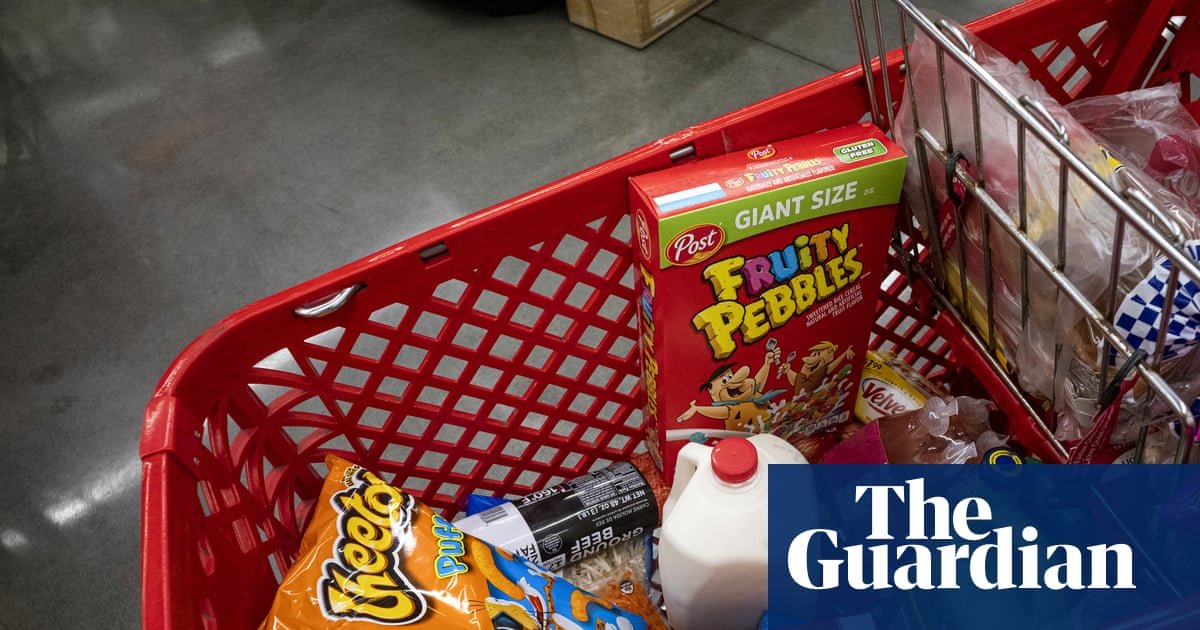
San Francisco filed the nation’s first government lawsuit against food manufacturers over ultra-processed foods (UPF) on Tuesday, arguing that local governments are bearing the cost of treating illnesses arising from public consumption of the companies’ products.
The city’s attorney, David Chiu, sued 10 corporations that make some of the country’s most popular foods and drinks, ranging from chicken nuggets and frozen pizza to potato chips and sugary breakfast cereals — but also foods like bread and granola bars that are marketed as “healthy.”
UPFs are industrially manufactured food products and contain ingredients not found in the average home kitchen, such as preservatives, flavor enhancers, artificial colors, and emulsifiers, with little or no whole food content. It is estimated that more than 70% of the American food supply is made up of foods commonly considered ultra-processed, and children get more than 60% of their calories from such foods.
The world’s largest review, published last month, found that UPF is linked to damage in every major organ system of the human body and poses a seismic threat to global health. They are linked to an increased risk of a dozen health conditions, including cancer, obesity, type 2 diabetes, depression, heart disease and cognitive decline.
That review also found that global corporations, not individual choices, are driving the development of UPF. The authors stated that UPF is a major cause of the diet-related “chronic disease epidemic”, in which food companies put profit above all else.
Chiu’s lawsuit, filed in San Francisco Superior Court on behalf of the state of California, will seek unspecified compensation for the costs that the city and county bear to treat residents whose health has been harmed by ultra-processed food.
San Francisco has accused the companies of “unfair and deceptive acts” in the way they market and sell their foods, arguing that such practices violate the state’s unfair competition law and public nuisance statute. It also argues that companies knew their food could make people sick, but sold it anyway.
“It troubles me that generations of children and parents are being deceived and buying food that isn’t edible,” Chiu told The New York Times.
It marks a rare moment of rapprochement between liberal San Francisco and the Trump administration. Donald Trump’s Secretary of Health and Human Services, Robert F. Kennedy Jr., has spoken out against UPF as part of his Make America Healthy Again mission – one of his least polarizing stances, and has urged Americans to limit their consumption of foods containing added sugar, salt, fat, colors and preservatives.
Chiu stressed to the NYT that she disagrees with Kennedy on other health topics, including vaccine skepticism. But he said the science is indisputable when it comes to ultra-processed foods. “Many of this administration’s approaches are not supported by science, but this is different,” Chiu said. “Even a broken clock is right twice a day.”
Defendants in the lawsuit include Coca-Cola Co., PepsiCo, Kraft Heinz Co., Post Holdings and Mondelez International. General Mills is also named in it; Nestle USA; Kellogg; Mars Incorporated; and ConAgra Brands.
Earlier this year, California passed a bipartisan bill that became the first bill in the US to provide a statutory definition of UPFs, laying the groundwork for banning them in schools. California has also banned several additives, including food colorings, linked to behavioral difficulties in children in schools. In 2010, San Francisco banned fast-food restaurants from giving away free toys.
The city attorney’s office has a track record of winning against large corporations on public health cases, including tobacco companies, lead paint manufacturers, and opioid manufacturers, distributors and dispensers.
<a href