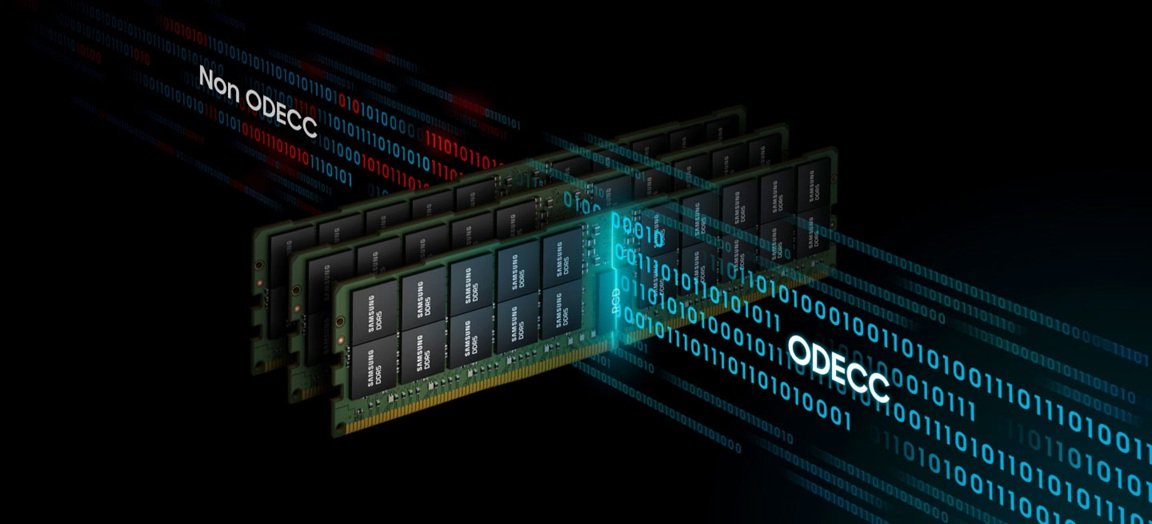

Samsung hikes memory chip prices by up to 60% (Image credit: samsung.com)
Samsung’s memory price increased so much 60% Since September, according to a reuters The report was published on Friday [1]The move represents one of the sharpest short-term price increases in the DRAM market in years – and underlines how demand is surging, ai data center Putting pressure on global supply chains.
Samsung, the world’s largest memory maker, is now charging its customers significantly higher contract prices for high-density server DRAM modules. For buyers in the PC, server and IT hardware industries, the implications could be felt well into 2026.
Rapid and uneven price rise
according to reutersFor Samsung’s contract pricing 32GB DDR5 Memory Module climbed roughly From $149 in September to approximately $239 in November 2025 – A jump of more than 60 percent in just two months. Prices of other capacities, such as 16 GB and 128 GB modules, reportedly increased by between 40 and 50 percent, while 64 GB and 96 GB units saw increases of more than 30 percent. [1],
A related analysis by Tom’s Hardware [2] noted that these increases began in late summer, but rapidly accelerated as data center orders for AI workloads absorbed available capacity. By mid-November, contract pricing for many server-grade DRAM products had reached the highest level since before the pandemic – effectively resetting the market baseline.
Samsung declined to comment publicly on specific pricing changes. However, cited by analysts reuters Said move represents a combination supply constraints, Production priority for high-bandwidth memory (HBM)and a global inventory shortage Between cloud providers and large buyers like enterprise OEMs.
AI infrastructure boom strengthens memory supply
is the primary catalyst behind the surge Explosive growth of AI infrastructure,
Every new data center built for large language model (LLM) training or inference consumes large amounts of DDR5 and HBM memory. With demand for larger and faster memory pools coupled with Nvidia’s latest AI accelerators and high-performance servers, suppliers are struggling to keep pace.
Samsung and its partners, SK Hynix And micron technologyhas redirected most of its manufacturing capacity to high-end chips used in AI servers. While this shift delivers higher margins, it leaves less capacity for traditional DRAM products that power laptops, desktops and mainstream servers.
Industry observers have described the situation as a “perfect storm”:
-
AI buildouts are pulling supply upward,
-
Consumer demand is recovering from recession by 2023, and
-
Manufacturing utilization remains constrained by earlier capital-spending cuts.
As Tom’s Hardware In short, “AI data center build-outs are disrupting DRAM supply, driving up contract and spot prices in every sector of the market.” [2]
From contract to retail: ripple effects emerging
Although the rise in prices began contract marketWhile major buyers interact directly with Samsung, Micron and SK Hynix, its impact is now filtering into retail channels.
Independent market data from PCGamer and DRAMeXchange shows that average retail prices for DDR5 kits are doubled year on year at the end of 2025, while even older ddr4 Modules have increased by 20-30 percent due to manufacturers reducing production.
At the system-builder and reseller level, that means margins are tightening – and volatility is increasing. Small and medium-sized refurbishers, OEMs and IT resellers face increasing challenges in predicting costs and sourcing reliable inventory.
For example, popular 32GB DDR5-5600 desktop kits that sold for less than $100 in early 2024 are now retailing closer to $180-$200, with some premium kits exceeding $250.
Market Forecast: Prices likely to remain high until 2026
Most analysts now expect this The current price rise cycle will continue till 2026Unless global DRAM output increases significantly. Industry tracker TrendForce estimates total DRAM supply growth will remain in single digits over the next year [3]Regardless, demand from both the AI and traditional server markets continues to accelerate.
New DRAM Outlook
For new modules, current contract trends point towards a Further increase of 20-40 percent If capacity remains constrained, as early as 2026. High-performance DDR5 modules – particularly 64 GB and 128 GB configurations – are likely to remain rare and expensive, while older DDR4 products may see incremental increases as production lines are converted or discontinued.
Manufacturers are expected to maintain these high prices to recoup the huge losses incurred during the memory recession of 2022-2023. With the inventory pipeline low and construction utilization nearly full, a meaningful price correction appears unlikely before the end of 2026.
Used and Refurbished DRAM Outlook
secondary market As for memory – which includes used, pulled, or upgraded modules – is already responding. Historically, used DRAM prices lag new DRAM prices by a quarter or two, but the current surge is closing that gap.
As new-module prices continue to rise, many resellers are holding existing stock for longer periods of time in hopes of further gains. Prices for used DDR5 modules have increased 10-25 percent Since September, and DDR4 resale prices have also been climbing. In some capacities, the difference between new and used modules has dropped to less than 15 percent, particularly in enterprise-grade 32GB and 64GB kits.
If Samsung’s pricing strategy encourages other suppliers to follow suit, this dynamic may persist – or even intensify.
What does this mean for buyers and sellers
For system builders, data-center operators, and component resellers, this pricing environment requires careful planning. Combination of long lead times, low inventory buffers and steady demand growth Strategically time your shopping Can be serious.
Businesses that rely on large-scale memory purchases may benefit closing supply contracts earlyEven at higher prices, to avoid a possible shortage in the subsequent cycle. Meanwhile, sellers in the secondary market have an opportunity Get higher resale margins While demand for used memory remains strong.
For consumers and small IT operators, the main message is caution: Expect continued volatility in both retail and used-module pricing until at least mid-2026.
Conclusion: Markets Redefined by AI Demand
Samsung’s aggressive pricing moves have reshaped the dynamics of the memory industry almost overnight. The AI boom has not only changed the way chips are used, but also how they are priced – elevating DRAM from a commodity component to a strategic bottleneck in the computing supply chain.
While manufacturers are benefiting from the rebound, buyers at every level – from hyperscale data centers to local PC resellers – are being forced to adapt. Memory, once plentiful and cheap, is entering a period of constant scarcity and strategic importance.
At BuySellRAM.com, we do more than just monitor the market – we empower our customers to act on itwhether you are watching Sell used RAM at maximum price Or Lock pricing on new DDR5 inventoryOur real-time insights and supplier relationships give you the advantage.
DRAM prices may be volatile, but opportunities are everywhere for those who move early. Visit our Sale Serv RAM page To get quick quotes for new and used memory products or find out our live market updates.
Source: