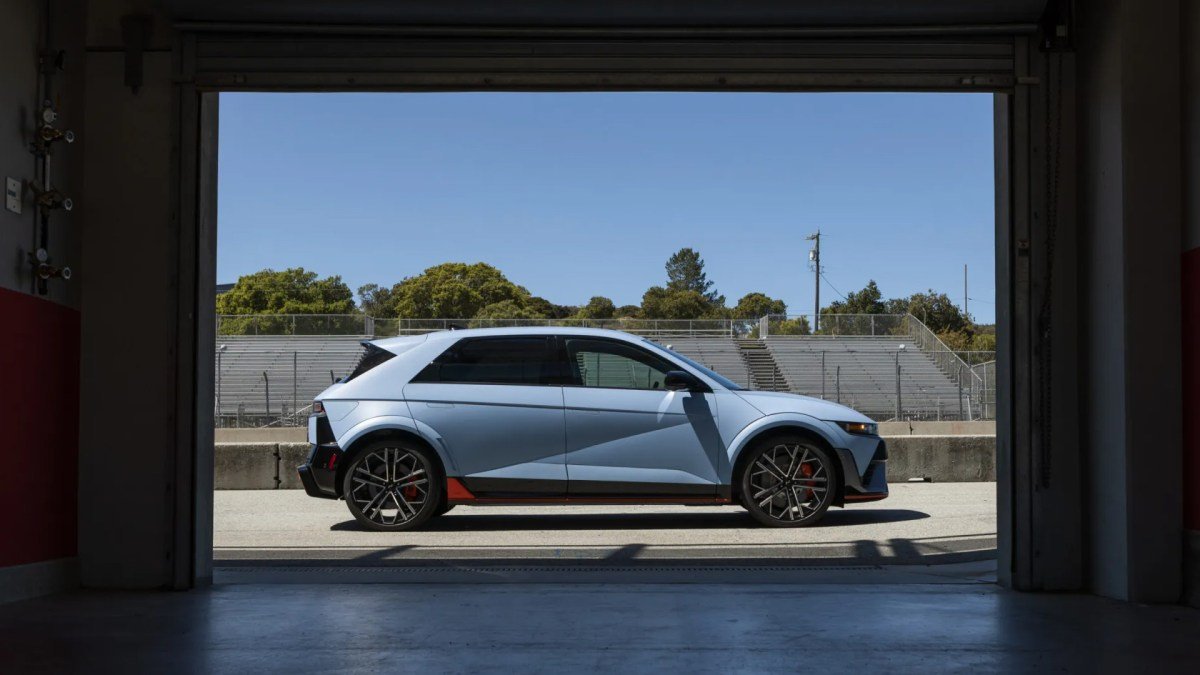
A 2025 Hyundai Ioniq 5 N owner was recently venting on Reddit about not being able to replace his brake pads without special computer equipment. It sounds strange, but this is what new car ownership will be like in 2025. We did some research and contacted Hyundai to understand the situation and clarify it for you – it’s frustrating.
Talking to a computer to fix a car isn’t unique to the Korean automaker, but I got stuck down a rabbit hole of Hyundai maintenance research here, so that’ll be our focus this time.
Reference for casual readers: Brake pad and rotor replacement are super basic car maintenance. You won’t need to work as often on an electric car (thanks to regenerative braking), but EV pads don’t last forever, either. On most cars, part of the work involves disconnecting or retracting the parking brake, which usually holds the rear wheels. Many modern cars and all EVs have an electronic parking brake controlled by a computer signal rather than a manually adjustable nut-and-cable position. This gave rise to the justified frustration of Redditor u/SoultronicPear.
Another piece of stage-setting: Since electronic parking brakes are really common, many readily available diagnostic tools (including fairly basic OBD scanners) can issue retract-brake commands to the car’s ECU. Still, you need one with bi-directional testing functionality. Remember that point—it will become important again in a few paragraphs.
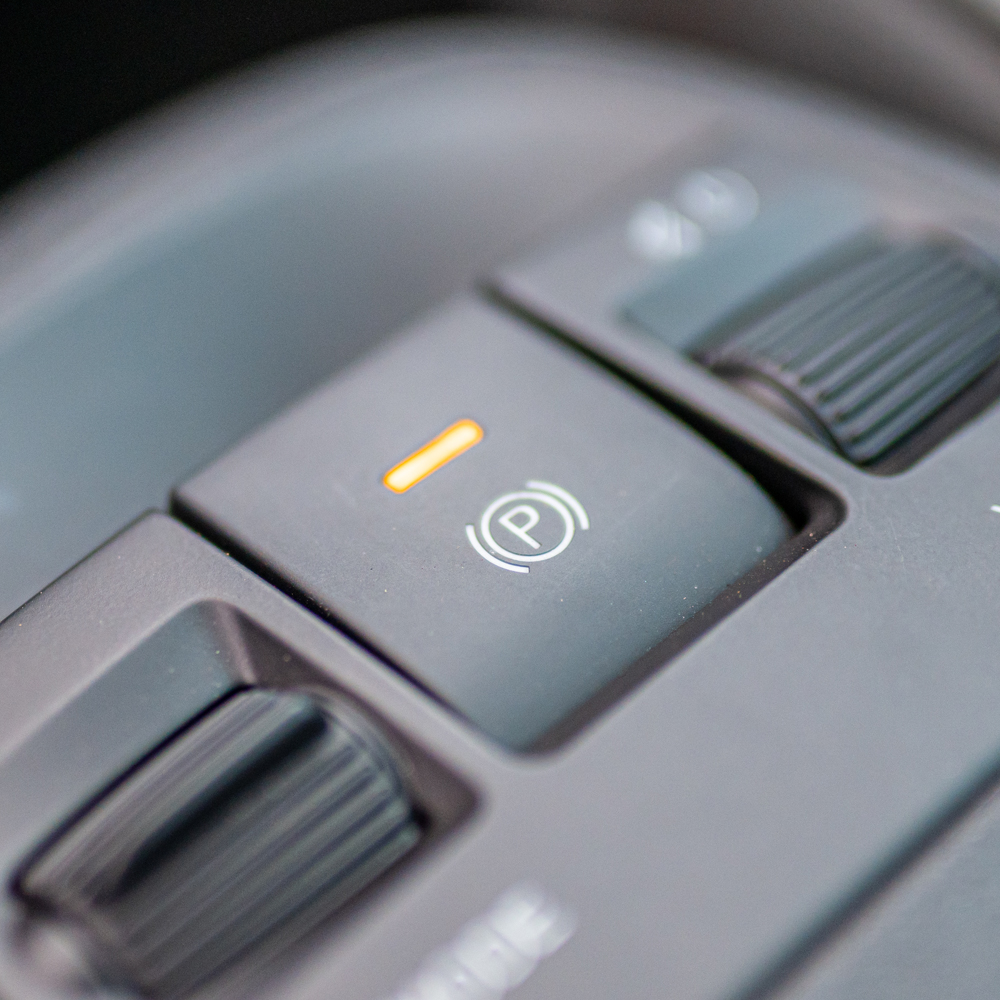

Apparently, none of the cheaper scanner options worked on the original Reddit poster’s Ioniq 5 N. This led him on a journey of attempting to access commercial-grade car-repair gear, which was ultimately futile.
You can access the Hyundai EV’s diagnostic brain using the brand’s proprietary dealership hardware and software (it’s called GDS, and it’s publicly purchasable but costs about six grand) or a third-party aftermarket system running the J2534 program. J2534 is an interface standard designed by SAE and mandated by the EPA that basically ensures that ECUs from different car brands can speak the same language to independent repair shops.

Hyundai supports J2534 and recommends one of three machines to talk to your cars: CarDAQ Plus 3 (about $2,000), MTS 6531 (about $2,000), and d-briDGe PRO (about $800). The company says, “…under no circumstances do we recommend the use of non-approved J2534 devices.” You’ll then also need a subscription to Hyundai’s J2534 Diagnostic Tool software, which costs $60 per week (or less over a longer block of time). All this information is in the .PDF linked to Hyundai’s technical portal.
At this point, after spending about $2,000 on tools, you should be able to service your own Hyundai Ioniq brakes, but if you’re a DIYer, you still can’t. At the top of one of Hyundai’s many technical documents is written in red: “Access to bi-directional tests and special functions requires Diagnostic Professional or Vehicle Safety Professional credential from NASTF.”
NASTF is the National Automotive Service Task Force. It exists to “identify and resolve gaps in service information, equipment information, and training” between OEMs and independent shops (good idea). It also mediates things like lock coding and car credential management. To receive scan-tool verification as a member, you must be a professional mechanic.
And with that last out of the way, we can confirm that, no, a DIYer cannot install the brakes on a Hyundai Ioniq 5 N themselves.
I’m guessing most of you reading this are now having the same thought I did – it sounds smart to have some regulation on sensitive data like the code for your car lock, but what the heck, you should be able to make brake pads on your car. Or as Randy Marsh might have said: “I’m sorry, I thought it was America!”
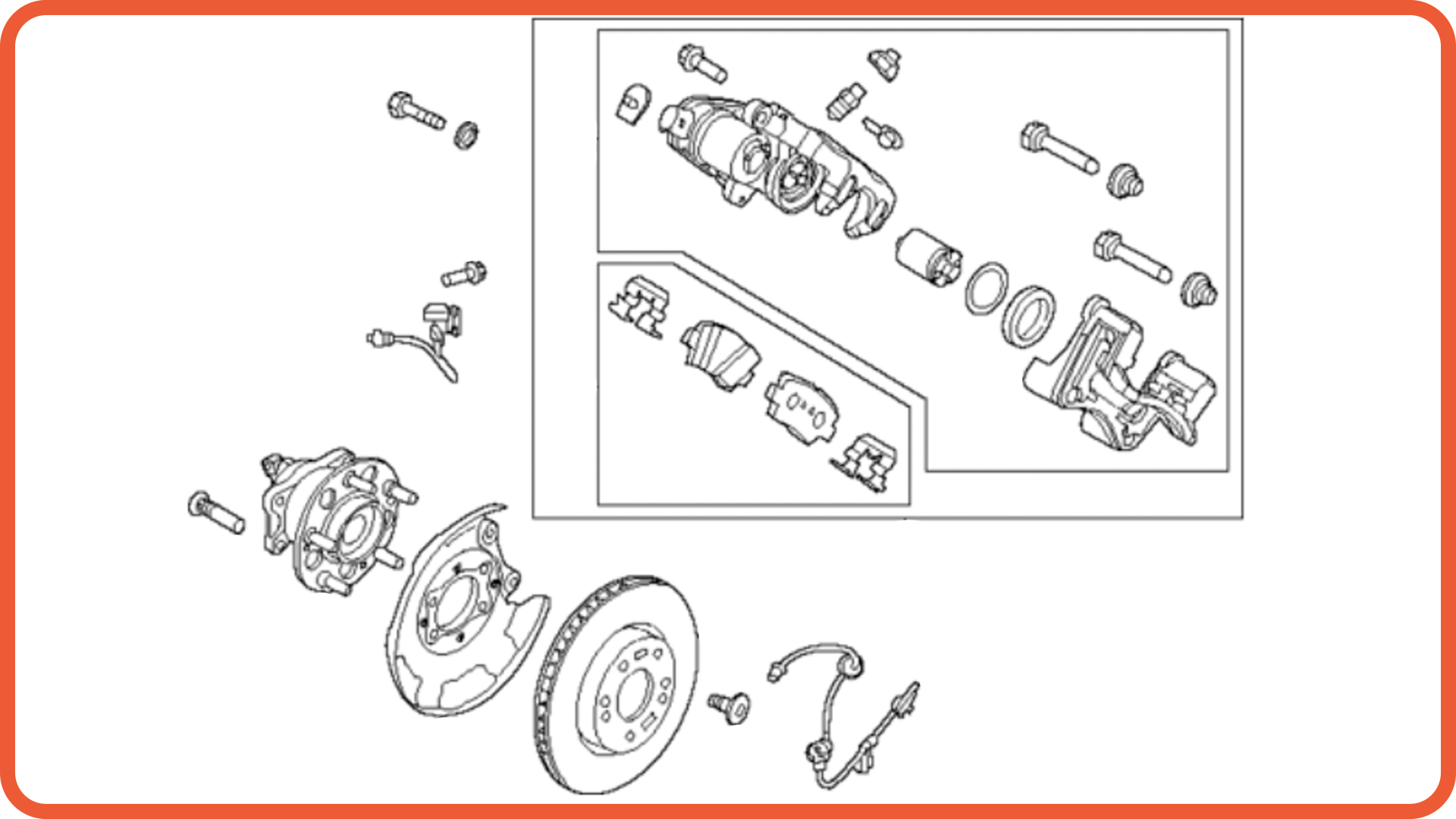
Naturally, I also dropped a note directly to Hyundai about this. Here’s what the automaker told us:
“Hyundai is committed to supporting both our dealer network and independent repair facilities with safe, secure and accessible service solutions. For vehicles equipped with electronic parking brakes, including the Ioniq 5 and Ioniq 5 N, the official repair procedure requires placing the rear calipers in service mode using our Global Diagnostic System (GDS) or J2534 application. This ensures proper functionality and customer safety. Expanded access to enable aftermarket users to perform tasks previously restricted by GDS secure gateways. While certification through NASTF is required for sensitive operations, this step helps maintain security and accountability.
Hyundai is actively exploring ways to make routine maintenance easier for all customers while maintaining safety standards.
“We appreciate the interest in DIY repairs and will continue to work toward solutions that balance convenience with safety.”
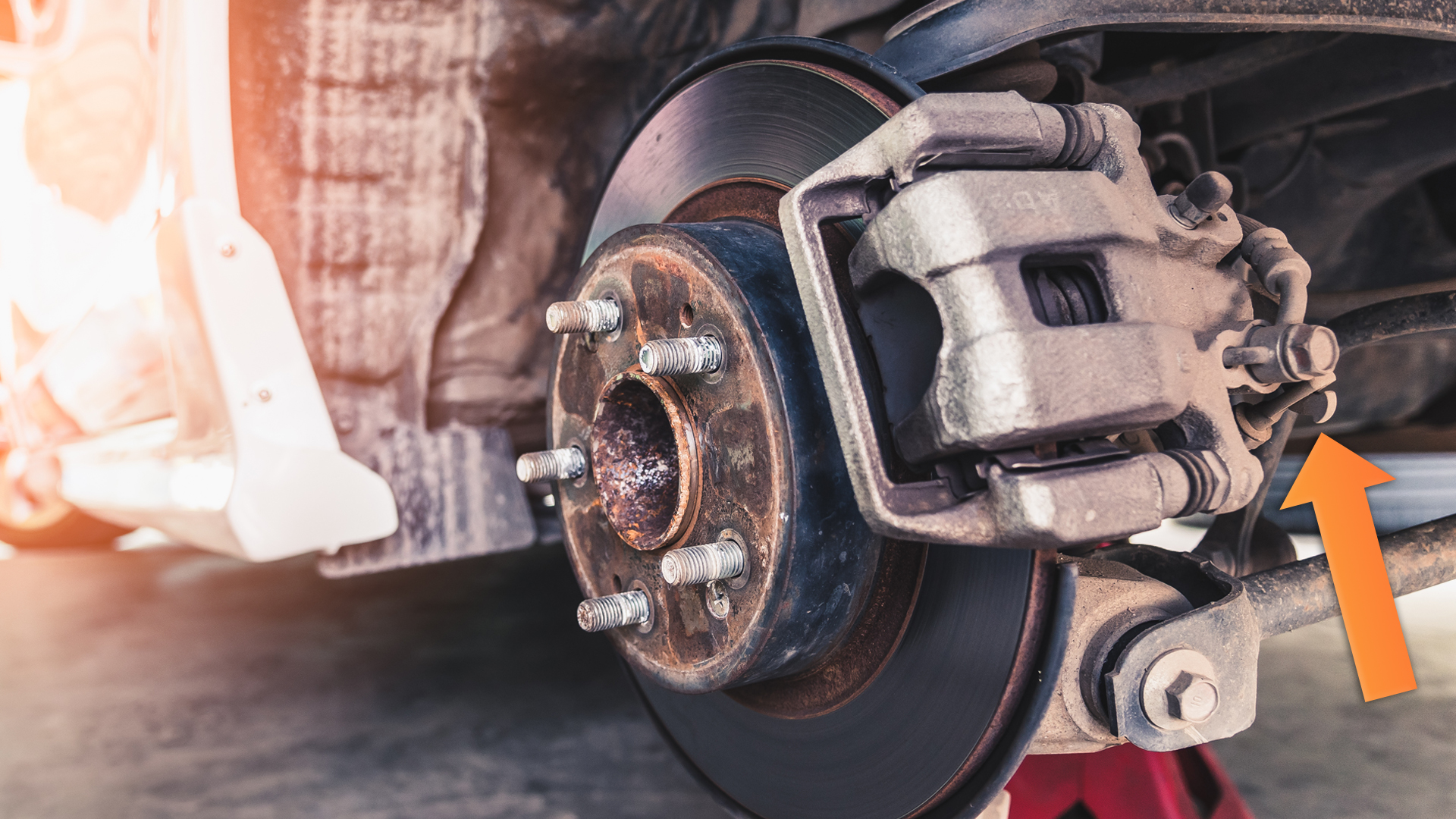
So after all that, we can say the Reddit thread titled “Hyundai declares war on right to repair” is technically incorrect. Right to repair laws prevent product manufacturers from hiding the technology behind proprietary diagnostic tools, and this stuff isn’t limited to a brand’s own devices. So, technically, I think the company is clear about the written rules. We can also add a layer of explanation to this carscoops The post on it was titled “Apparently you need Hyundai’s permission to change your brakes.” You don’t need Hyundai’s permission, it’s NASTF’s.
Although, obviously, both carscoops And the guy on Reddit was absolutely right in theory. A car repair that has historically been completely DIYable on the road is now only a matter of purchase due to technology. And this is not good.
We focused on Hyundai here because this particular Reddit thread caught my eye and sent me on a research quest about this particular brand, but the Korean automaker is hardly the only company making it hard to mess with modern cars.
I understand and appreciate that automakers want to be careful with things like lock and engine-start encryption. You definitely don’t want someone to be able to download your car keys and make off with your vehicle, or worse. But there should be an even better middle ground. People should have seamless access to their cars (and tractors, and tools) in a simple and straightforward way.
One last note: For those who found this article because you, too, are trying to release a modern car’s electronic brakes for service but are having no luck… I found this one tool that may be able to override the existing software. But I’m not endorsing it in any way – I’ve never used it and have no idea whether it works or whether using it might cause any unintended consequences. Use at your own risk (but report back in the comments if you try it).
Got any tips? Drop us a line at tips@thedrive.com.