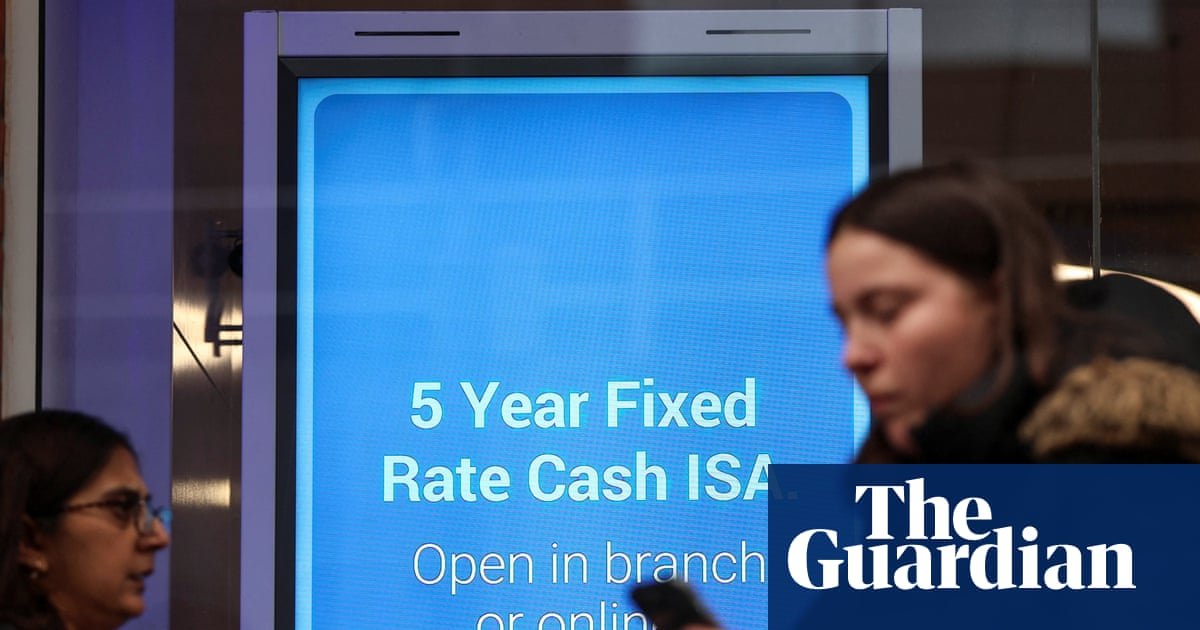
Rachael Reeves’ plans to slash annual cash Isa limits by 40% could lead to mortgage rates rising and put consumers off saving, finance bosses have said.
The Chancellor is expected to reduce the maximum amount people can put into tax-efficient cash personal savings accounts from £20,000 a year to £12,000 in Wednesday’s Budget.
The Treasury is investigating the limit this year, sparking a fierce debate over whether it should reduce tax breaks on popular savings accounts to encourage a shift from cash to stock market-based investments – in particular, in British companies.
Reeves has talked about striking a “balance” between the amounts people can put into cash or shares, and wants to “create more of a culture of retail investing in the UK as you have in the US”.
However, Cash Isa are a major source of funding for banks and building societies, who use the deposits to make loans to homes and businesses. Nationwide Building Society has said cuts to the tax break on accounts will reduce the availability of mortgages for first-time buyers.
Earlier this year it was rumored that Reeves might reduce the limit to £4,000, but on Monday the Financial Times said she would opt to reduce it to £12,000.
she will hope Criticism has been avoided by expanding eligibility for a separate government-backed scheme called Help to Save, which gives people on low incomes a bonus of 50p for every £1 they save over four years. The scheme will be expanded to an additional 1.5 million savers, including many carers and parents on universal credit, and made permanent. It was targeted to be completed in 2027.
The latest official figures show a surge in demand for Cash Isa, with almost 10 million taken out in the 2023-24 tax year and a record £103 billion put into accounts.
Robin Feith, chief executive of trade body the Building Societies’ Association, said: “We are disappointed that the cash Isa subscription limit is being reduced. The £12,000 cut will not encourage more people to invest, but will add unnecessary complexity, particularly around Isa transfers, and risk damaging the overall Isa brand. It could also put people off saving and investing.”
Tim Bowen, former chief executive of Penrith Building Society, said that reducing the limit to £12,000 would be “a backward step not only for UK savers but for the entire building society ecosystem”.
Bowen, who is now chief executive of financial technology company Mutual Vision, said: “Less money saved means there will be less to lend, which is bad news for borrowers and the property market as a whole.”
Building societies particularly rely on cash deposits to finance the loans that keep key parts of the market going, such as shared ownership mortgages and deals for those whose finances are more complex or who have adverse credit histories.
Craig Fish, director of broker firm Lodestone Mortgage, said: “Cut the Cash Isa allowance and you’ll reduce the savings pot these lenders rely on. Less money means less money out, and that can only lead to one way: tighter lending and potentially higher rates.”
“This risks eliminating competition and putting pressure on already vulnerable parts of the property market,” he said.
However, behavioral finance expert Greg Davies of Oxford Risk said: “Recent speculation about banning cash Isa allowances ignores a more fundamental problem: these products are practically flawed from the start.
“By combining emotional comfort with tax benefits, people are rewarded for holding cash, even if investing that money would more effectively meet their long-term needs.
“The average investor loses 2-3% annually from holding too much cash. This is not a knowledge problem; it is an emotional reluctance to move from what feels safe to what is appropriate.”
It is not known how many people will be directly affected by the cut to the £12,000 limit, but a survey by Yorkshire Building Society published on Monday claimed that almost half of Cash Isa holders surveyed said any cut to the £20,000 allowance would “impact them moderately or severely”.
Some experts have cast doubt on the idea that cuts to cash Isa allowances would encourage more people to invest their cash in the stock market.
Rachel Griffin, tax and financial planning expert at wealth management firm Quilter, said: “If a cap comes, it is unlikely to send money rapidly into stocks and shares. Instead, we may see more flows into premium bonds or other supposedly safe alternatives.”
<a href