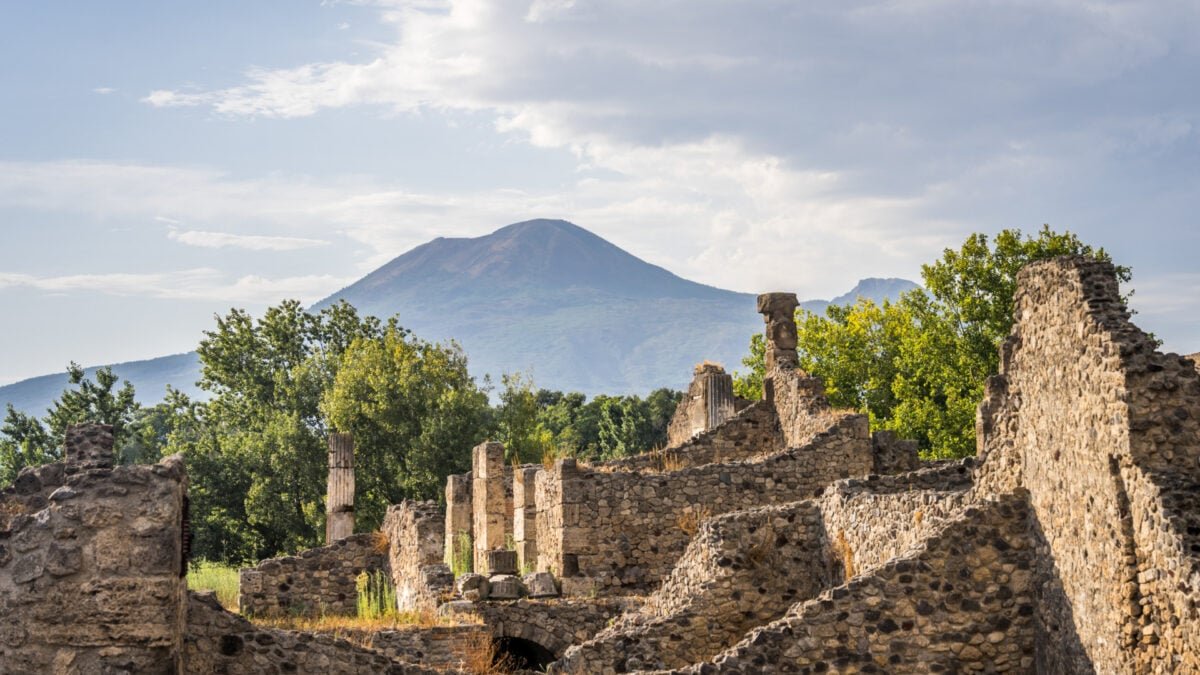
Researchers based in Germany and Switzerland have cracked the composition and chemistry of ash remains obtained from two incense burners excavated in Pompeii, documenting offerings to the gods that had previously only been described in the work of Roman historians and artists.
“We have long known from ancient writers that the Romans burned frankincense in their sacrifices,” archaeologist Johannes Eber of the University of Zurich, lead author of the new study, said in a statement. “Preserved ashes and traces of aromatic resins from a domestic temple near Pompeii provide solid evidence,” Eber said, “and it’s a fantastic reminder of how globalized the ancient world really was.”
A possible cremation, buried in Pompeii
The new study, published Monday in the journal Antiquity, examined the contents of two censers, or incense burners, one of which was located inside a domestic temple. Villa Rustica At Boscoreale, an agricultural area north of Pompeii at the foot of Mount Vesuvius. The temple’s censer, made of fire-resistant terracotta, is decorated with a sculptured figure of a reclining woman, a common monument in Pompeii. According to the researchers, “the recumbent figures probably represent dead persons revered after their death.”
The team analyzed the chemistry and microscopic characteristics of the organic remains left behind in the burnt offerings, as well as the hard biominerals remaining within the woody plants and microscopic particles of silica formed within the vegetation, called phytoliths, also present in the ash.
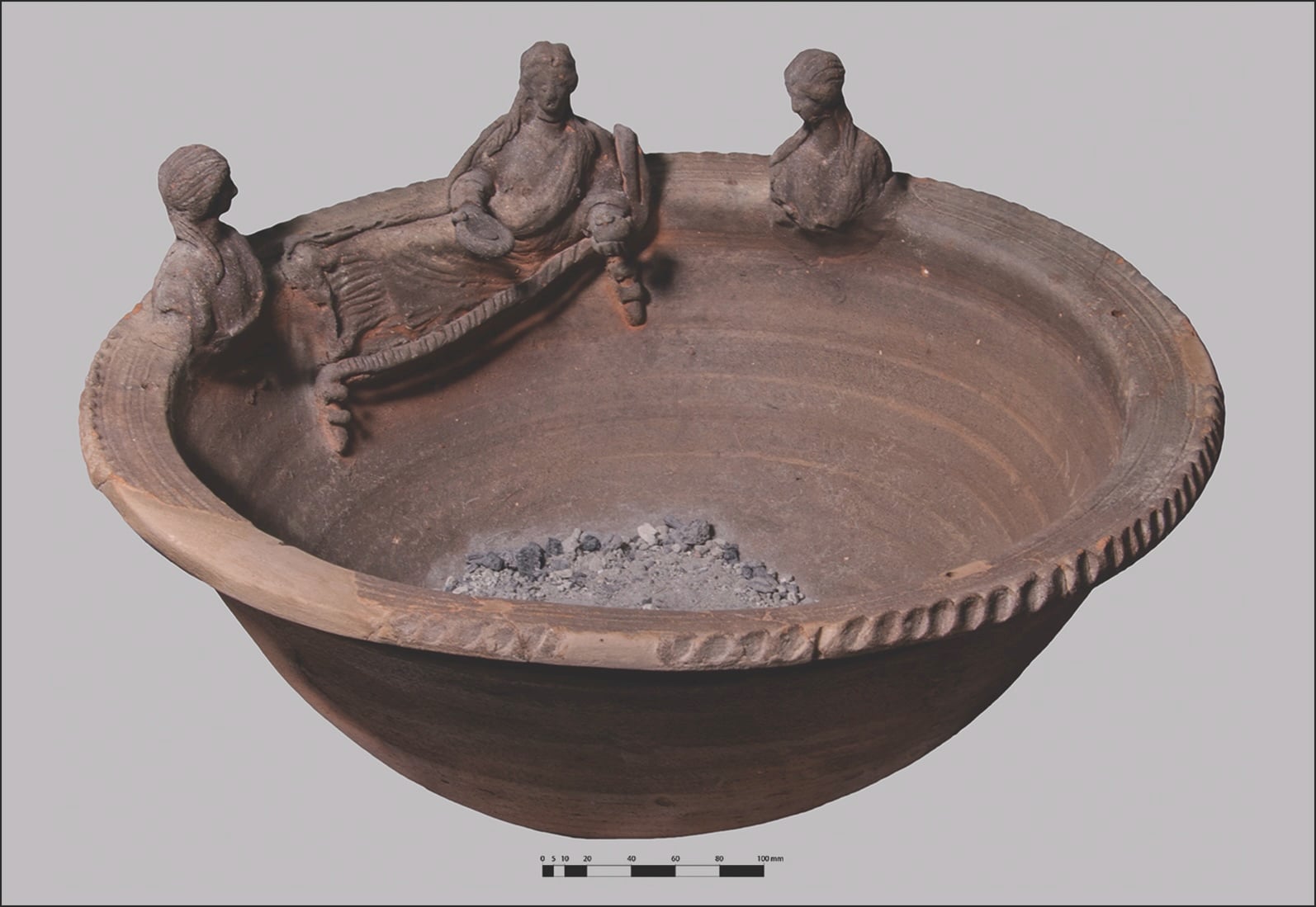
Their analysis provided the first concrete evidence of the burning of wine and frankincense in domestic Roman rituals, a practice that has been alleged to have played an important role in early imperial funeral rites and other religious ceremonies. According to Eber, such ancient Roman censor resins had “only rarely been analyzed in detail” before the new study. This ritual practice had never been attested before in the archaeological record.
Frankincense was also unique in itself. Aber and his colleagues traced the origins of this particular aromatic tree resin from its common sourcing in southern Arabia to the furthest reaches of the Roman Empire’s trade network, somewhere in India or sub-Saharan Africa.
Eber and colleagues note that written sources often emphasize the use of imported frankincense and other incense for such domestic rituals. Burning wine and frankincense together “was one of the most commonly performed early sacrificial acts in Imperial Rome.” It was known as Appreciation-An opening offering designed to invoke the Roman gods, including Janus, Jupiter, and sometimes others, to bless the sacramental proceedings. In these rituals, “burning the wine” means pouring the wine over an open flame or incense burner, where it will vaporize, mix with the smoke and leave a distinct aroma.
In Vino Veritas (Maybe, Maybe)
However, the researchers added some caveats to their findings, due to “little documented post-excavation history” of both artifacts. Although they are confident in their analysis of these formalin residues, they note that “some of the identified compounds may be related to natural decay processes.”
In the case of wine, Aber and his co-authors are mostly going away from fatty and acidic evidence for the grape, which includes a suggestive combination of succinic, fumaric, malic and tartaric acids. As they noted in their study, “a malic-to-tartaric acid ratio of 0.7 may correspond to the chemical signature of a ripe grape product,” such as wine or vinegar.
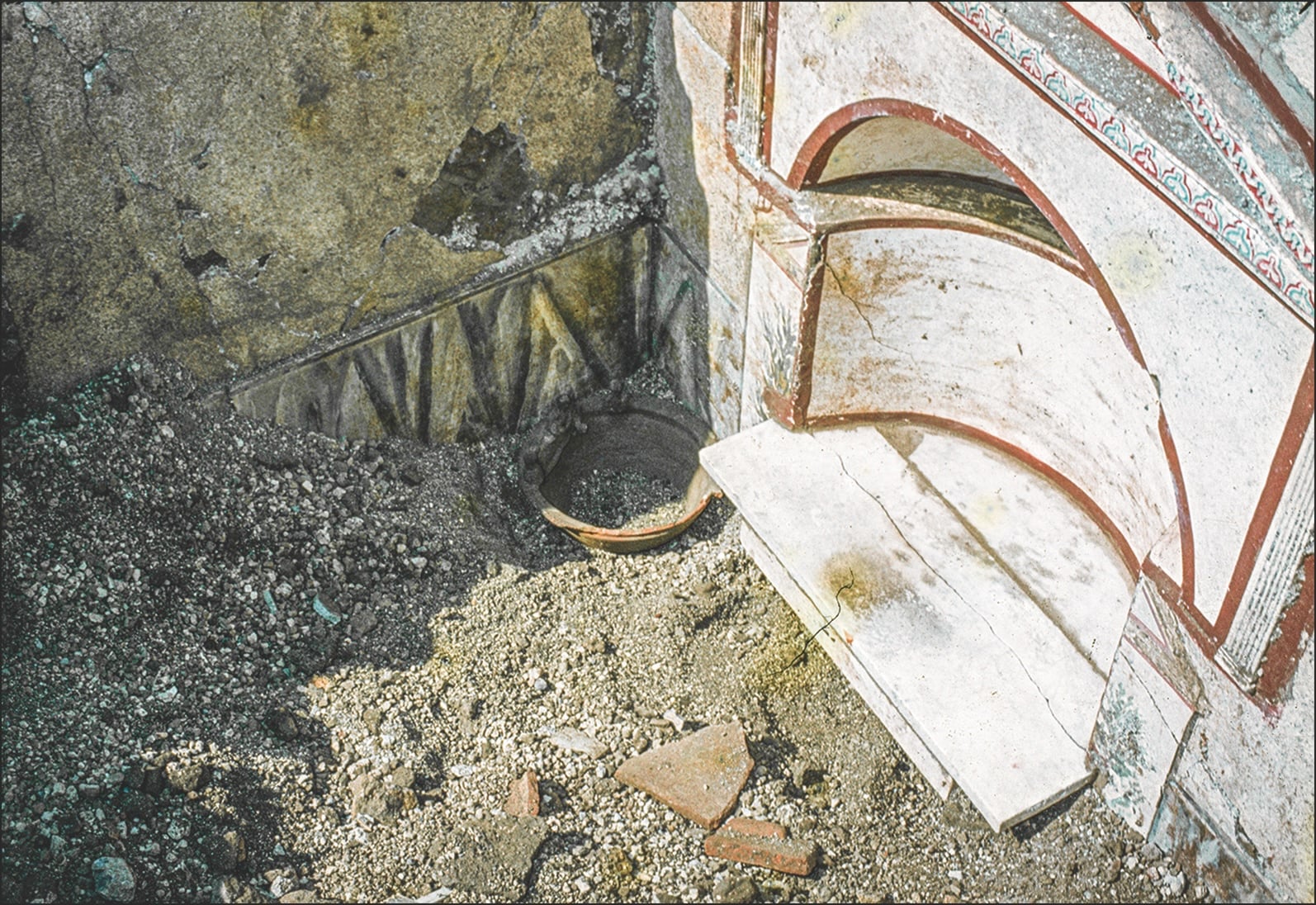
But perhaps the most serious cause for caution comes from a long and winding chain of custody: in 1954 a censer was unearthed from a buried Pompeii residence that was in the process of being converted into an inn when Mount Vesuvius erupted (in other words, there was a lot going on before and after). And Boscoreale’s sensor was discovered almost 40 years ago now, in 1986. Crazy things have happened in Pompeii in the 2,000 years since he was buried alive. (For example, did you know it was partially bombed by the Allies during World War II?) So, for now, it’s worth taking some of these conclusions with a grain of salt, or maybe some silica phytoliths.
Aber and his team stressed, “Post-depositional contamination cannot be excluded, as no sediment control samples were preserved from the context, preventing final confirmation that these biomarkers are associated with the original material of the incense burner.”
<a href