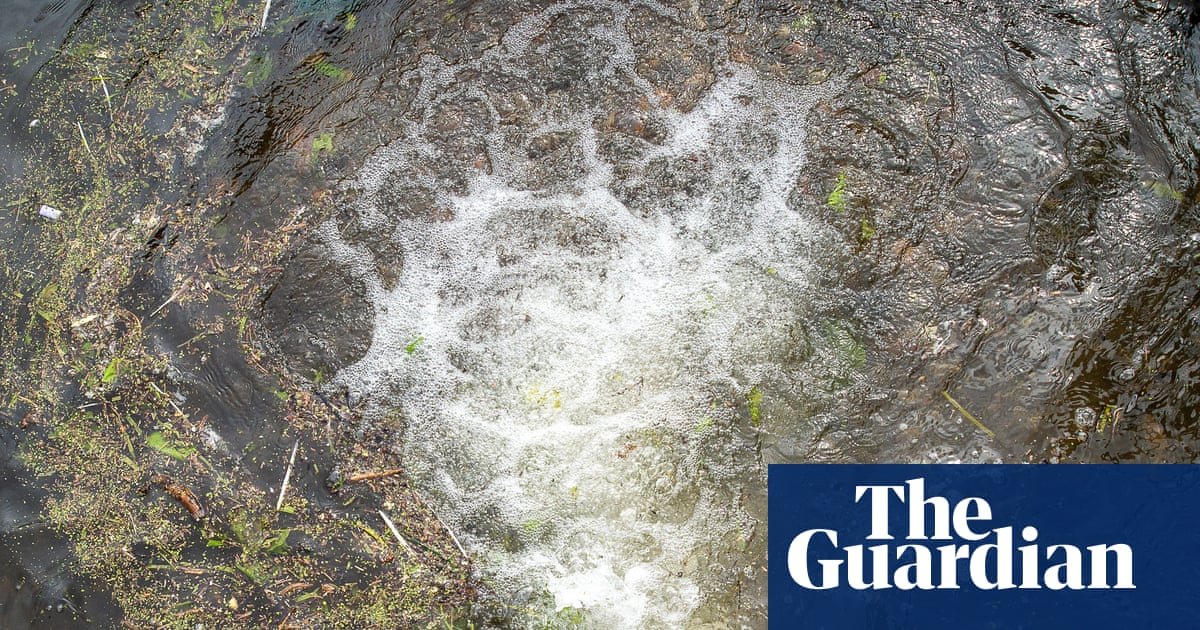
Communities in south-east England are filing the first coordinated legal complaints that sewage pollution by Thames Water negatively impacts their lives.
Despite promises to invest over the past five years, Thames Water failed to complete upgrades to 98 treatment plants and pumping stations, which have the worst record for sewage pollution into the environment.
People in 13 areas including Hackney, Oxford, Richmond upon Thames and Wokingham are sending statutory nuisance complaints to their local authorities demanding accountability and immediate action from Thames Water.
Campaigners say that in many places it is not only raw sewage from stormwater overflows that causes pollution, but also the quality of treated effluent coming from Thames water facilities, which poses a direct threat to public health.
At the Newbury Sewage Treatment Plant on the Thames, raw effluent is discharged into the River Kennet, a protected chalk stream. The data shows that raw sewage discharge from the plant is expected to increase by 240% between 2019 and 2024, from 482 hours to 1,630 hours. Thames says the plant is one of its 26 most polluting sites.
Thames wants the water regulator, Ofwat, to allow it to charge customers £1.18 billion over the next five years for upgrades it has failed to make. But the regulator has refused to pass the full cost on to customers, allowing only £793 million, as it believes bill payers have already funded the upgrade. It says any increase in costs should be borne by Thames Water.
Due to the company’s failure to take action, people living in the catchment area are turning to statutory nuisance complaints under Section 79 of the Environmental Protection Act 1990. In letters to their local authorities, they are demanding decisive action to stop sewage pollution damaging the banks of the Thames.
Statutory nuisance is an activity that unreasonably interferes with the use or enjoyment of land and is likely to cause adverse health effects or injury.
People living in the area say that sewage pollution from failing sites and infrastructure on the Thames has made the river unsafe and disrupted recreation, sport, local business and everyday enjoyment.
They cite a 16-year-old rower from Henley Rowing Club who became unwell after training on the river; Tests confirmed he was infected with E. coli, His illness coincided with his GCSE examinations, preventing him from repeating and sitting some papers.
In West Berkshire, people are highlighting the case of a kayaker who capsized and became unwell over the following days. And on Tagg Island in Hampton, south-west London, five children became ill after playing in the River Thames near Hurst Park.
Laura Reineke, who lives in Henley-on-Thames and founded the campaign group Friends of the Thames, said: “People here are fed up of living by a river that is being treated like an open sewer. We have submitted a nuisance complaint to our local authority because what Thames Water is doing is unacceptable.”
Citizen testing of the river has found that treated effluent from the Henley plant contains E. coli at levels 30 times higher than the safe level for bathing water, calculated using data from Thames Water released under an environmental information request.
“Local residents are angry and determined to hold this company accountable for the damage it is causing to our river and our community,” Reinecke said.
Thames has already been hit with a record £104 million fine by Ofwat over environmental breaches linked to sewage spills across its network, after failing to effectively operate and manage its treatment works and wastewater network.
Amy Fairman, head of campaigns at River Action, which is supporting the coordinated complaints, said: “This action is about fixing sewage pollution in the Thames, not about compensating people for past failings.
“Each local authority must investigate these complaints and, where a statutory nuisance is found to exist, issue an abatement notice and take enforcement action. Councils now have a legal duty to take action.”
He said there was widespread evidence of performance failures at Thames Water, which is on the verge of bankruptcy. Despite this, ministers did not place the company into special administration, a process that would have allowed immediate infrastructure upgrades, put ownership and governance in the public interest first, and protected communities and the environment.
Thames Water has been contacted for comment.
<a href