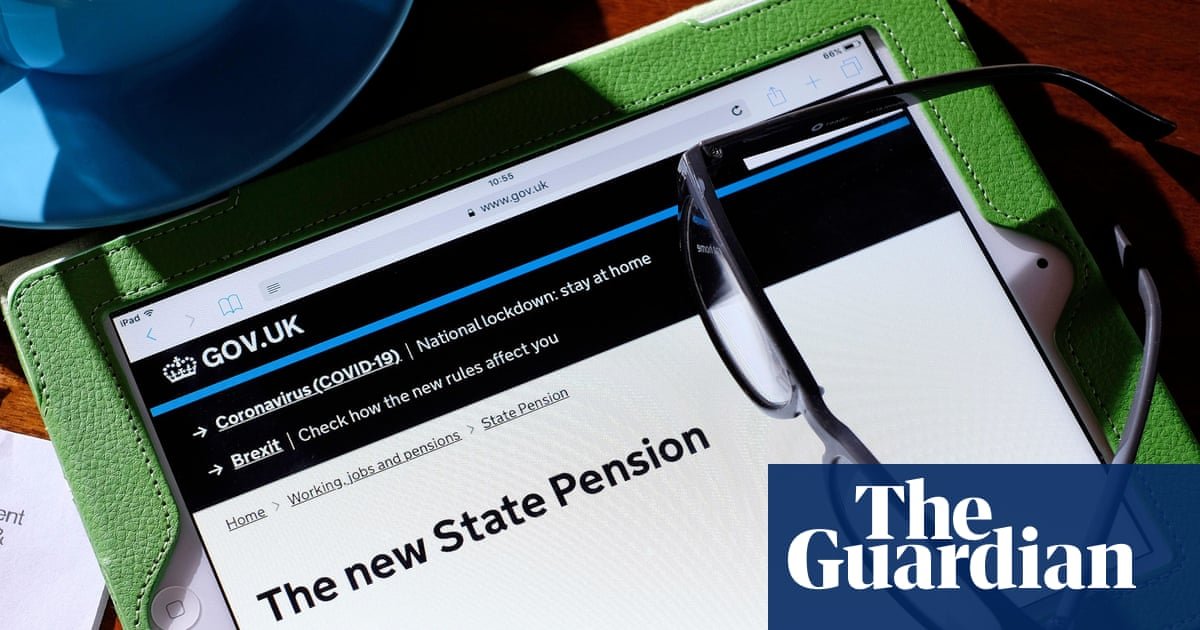
Chancellor Rachel Reeves has said that people who rely solely on the state pension for their income will not have to pay tax on it, creating the possibility of a two-tier system for people in retirement.
The new state pension will rise by £241.30 a week next April, bringing the annual income of someone receiving the standard payment to £12,547 – just below the personal tax allowance of £12,570 a year.
Freezing the tax cap means that if the state pension increases by only 2.5%, from April 2027 it will be over the cap and anyone receiving it will have to pay tax on £292 of their payment – a bill of £58.
Wednesday’s budget document includes a commitment to “reduce the administrative burden for pensioners whose only income is the basic or new state pension”, which will only apply to those who have not received a second state pension or any other upliftment.
It says they will “not have to pay small amounts of tax through simple assessment from 2027–28 if the new or basic state pension exceeds the personal allowance from that point onwards.”
While this appears to be a commitment to reducing paperwork for retirees, Reeves added, in an interview with Martin Lewis, that some pensioners will not face a tax bill at all.
After saying that the government would “not go after small sums” he was asked whether he would have to pay tax and replied: “In this Parliament, they will not have to pay tax.”
A Treasury spokesperson confirmed this.
Steve Webb, a former pensions minister and now partner at consultancy LCP, said the idea of not imposing income tax on a group of retirees “raises a number of questions of fairness”.
He said 2.5 million pensioners on the old state pension were already paying tax on the amount they received and questioned how they would be treated under any new system.
“The Government faces an obvious presenting problem when the new state pension goes above the tax threshold in 2027. But millions of pensioners already receive a state pension above the tax threshold and nothing has been done for them until now. So there is a real risk that pensioners will be treated more favorably on the new system.”
After newsletter promotion
He said the new scheme would risk penalizing people with small private pensions, who would not be protected from tax, while those with no private pension would be protected from tax.
“It penalizes people who have saved even modest amounts. And the new rules will mean that a pensioner just above the tax threshold will have to pay no tax, while an employee on exactly the same income will have to pay both tax and national insurance contributions which seems unfair.”
Webb said there was no cost for the policy in the budget documents, suggesting it may still be at the idea stage. The key document said: “The Government is exploring the best way to achieve this and will introduce more details next year.”
Webb said: “It will be incredibly difficult for the Treasury to come up with something that is practical and fair.”
<a href