Those statements revealed that the Space Force was likely to transfer the GPS slate to a different launch vehicle to fly on the next Vulcan rocket. Exactly the same thing happened. Space Systems Command confirmed this on Friday GPS III SV10 Now it will be launched on SpaceX’s Falcon 9 rocket in late April. Read our previous story on why the Space Force is so keen to launch a GPS satellite.
Each GPS III satellite weighs more than four tons at launch. SpaceX’s Falcon 9 and Falcon Heavy rockets and ULA’s Vulcan are the only launchers certified by the Space Force to launch these types of missions. With an inventory of reusable boosters that fly several times per week, SpaceX can fit new missions on relatively short notice.
“With this change, we are responding to the call for rapid delivery of advanced GPS capability while the Vulcan anomaly investigation continues,” said Col. Ryan Hiserotte, director of the National Security Space Launch Program. “We are once again demonstrating the resilience of our team and are fully committed to leveraging all options available to deliver a responsive and reliable launch to the nation.”
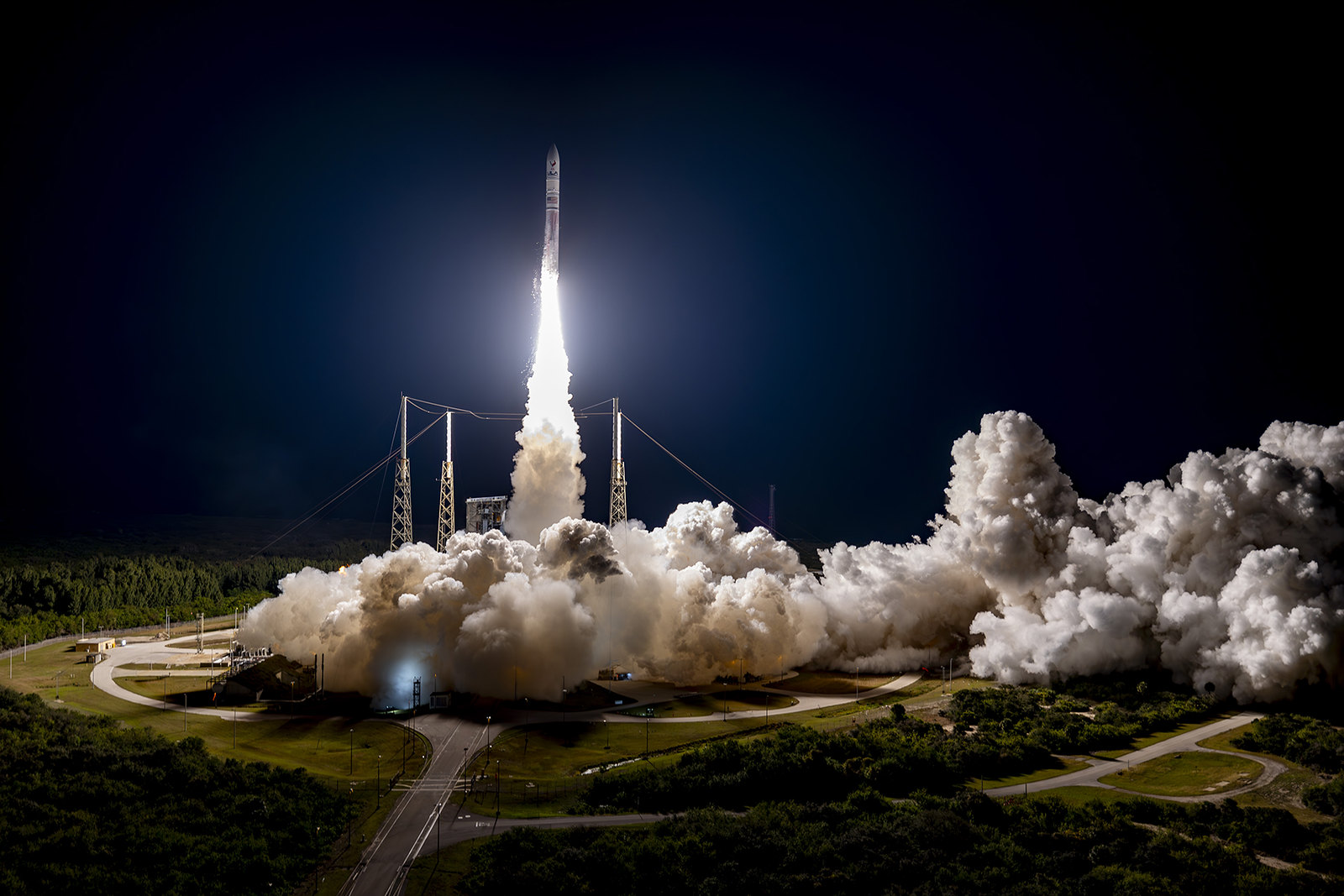
The first Vulcan rocket launches from its launch pad in Florida in January 2024.
Credit: United Launch Alliance
The first Vulcan rocket launches from its launch pad in Florida in January 2024.
Credit: United Launch Alliance
fall from grace
This doesn’t look good for United Launch Alliance, which was once the U.S. military’s sole launch provider. SpaceX began carrying out US national security missions in 2018 after winning the right to compete for military launch contracts with its Falcon 9 rocket. The company entered the military launch market after it filed a lawsuit against the Air Force in 2014 in protest of the Pentagon’s decision to award a multibillion-dollar sole-source contract to ULA.
The Army opened a series of launch contracts to competition, and in 2020, it selected ULA for 60 percent of the missions and SpaceX for 40 percent for awards through the end of 2023. Last year, Space Systems Command announced the winners of a follow-on competition covering launches through the end of the decade. This time, SpaceX won the majority of contracts, with ULA slipping to second place. The Space Force added Blue Origin as a third launch provider.
The Pentagon has maintained a policy of assured access to space since the 1990s, when the military lost several expensive, high-priority payloads in launch failures. ULA was the sole provider for these launches for more than a decade, with Atlas V and Delta IV rockets providing overlap in capability to deliver most, but not all, national security payloads to orbit. The Delta IV is now out of service, and the Atlas V is nearing retirement.
Today, despite ULA’s backlog of more than $8 billion in military launch contracts, SpaceX is the closest it has come to providing assured access to space single-handedly.
<a href