West Texas Intermediate, a light, sweet crude oil produced in the US, was selling at $72.79 a barrel early Monday, up 8.6 percent from Friday’s trading price of about $67, according to CME Group data.
Recommended Stories
list of 3 itemsend of list
A barrel of the international benchmark Brent crude was trading at $79.41 a barrel early Monday, up 9 percent from Friday’s trading price of $72.87, which was a seven-month high at the time, according to FactSet.
Traders were betting that oil supplies from Iran and elsewhere in the Middle East would slow or stop as US President Donald Trump suggested strikes would continue unless US objectives were met.
US and Israeli military attacks on Iran show no signs of slowing down, while Iran has responded with missile attacks across the region, risking dragging its neighbors into the conflict.
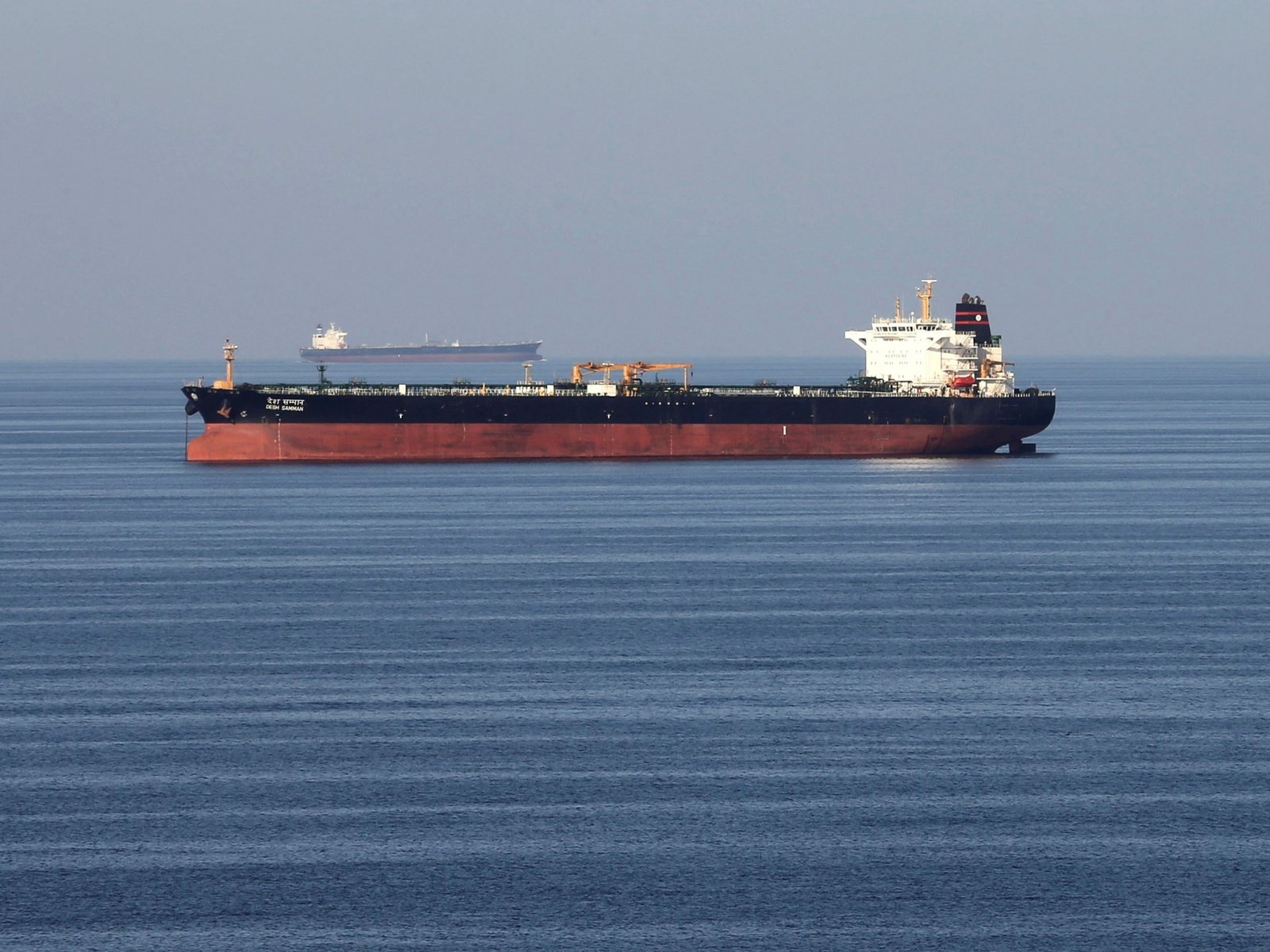
All eyes were on the Strait of Hormuz, through which about a fifth of the world’s seaborne oil trade flows. Tankers traveling through the strait, which borders Iran to the north, carry oil and gas from Saudi Arabia, Kuwait, Iraq, Qatar, Bahrain, the United Arab Emirates and Iran.
Although the vital waterway has not yet been blocked, maritime tracking sites have documented tankers on both sides of the strait being wary of attack or unable to obtain insurance for the voyage.
Two ships traveling through the Strait of Hormuz were attacked on Sunday.
“The most immediate and concrete development affecting oil markets is the effective blocking of traffic through the Strait of Hormuz, preventing 15 million barrels of crude oil per day from reaching markets,” George Lyon, head of geopolitical analysis at Rystad Energy, told Reuters news agency.
“Unless signs of easing tensions emerge rapidly, we expect oil prices to rise significantly.”
Higher global energy prices mean consumers will have to pay more for gasoline at the pump and they will have to pay more for groceries and other goods at a time when many are already feeling the effects of inflation.
Iran temporarily closed parts of the strait in mid-February because of what it said was a military exercise. In the days that followed, oil prices rose by about 6 percent.
Against that backdrop, eight countries part of the OPEC+ oil cartel announced on Sunday they would increase output. At a meeting held before the war began, the Organization of the Petroleum Exporting Countries said it would increase output by 206,000 barrels per day in April, more than analysts had expected. The countries increasing production are Saudi Arabia, Russia, Iraq, United Arab Emirates, Kuwait, Kazakhstan, Algeria and Oman.
The Nikkei stock index in Japan, which imports all its oil, fell 1.3 percent on Monday. Blue-chip stocks in China, which imports most marine oil from the Middle East, were only 0.1 percent lower. MSCI’s broadest index of Asia-Pacific shares outside Japan fell 1.2 percent.
Iran exports about 1.6 million barrels of oil a day, mostly to China, which may need to look elsewhere to meet its energy needs if Iran’s exports are disrupted, another factor that could send energy prices rising.
However, analysts say China has sufficient strategic oil reserves and could boost imports from Russia.
In the Middle East, the United Arab Emirates and Kuwait temporarily closed their stock exchanges, citing “extraordinary circumstances”.
in Europe, euro stocks 50 Futures fell 1.3 percent and DAX futures fell 1.4 percent. FTSE futures fell 0.6 percent. On Wall Street, S&P 500 futures and Nasdaq futures both fell 0.8 percent.
The oil shock has sent currency markets into turmoil and the dollar is the main beneficiary. The US is a net energy exporter, and Treasury bonds are still considered a liquid haven in times of stress, causing the euro to fall 0.2 percent to $1.1787.
<a href