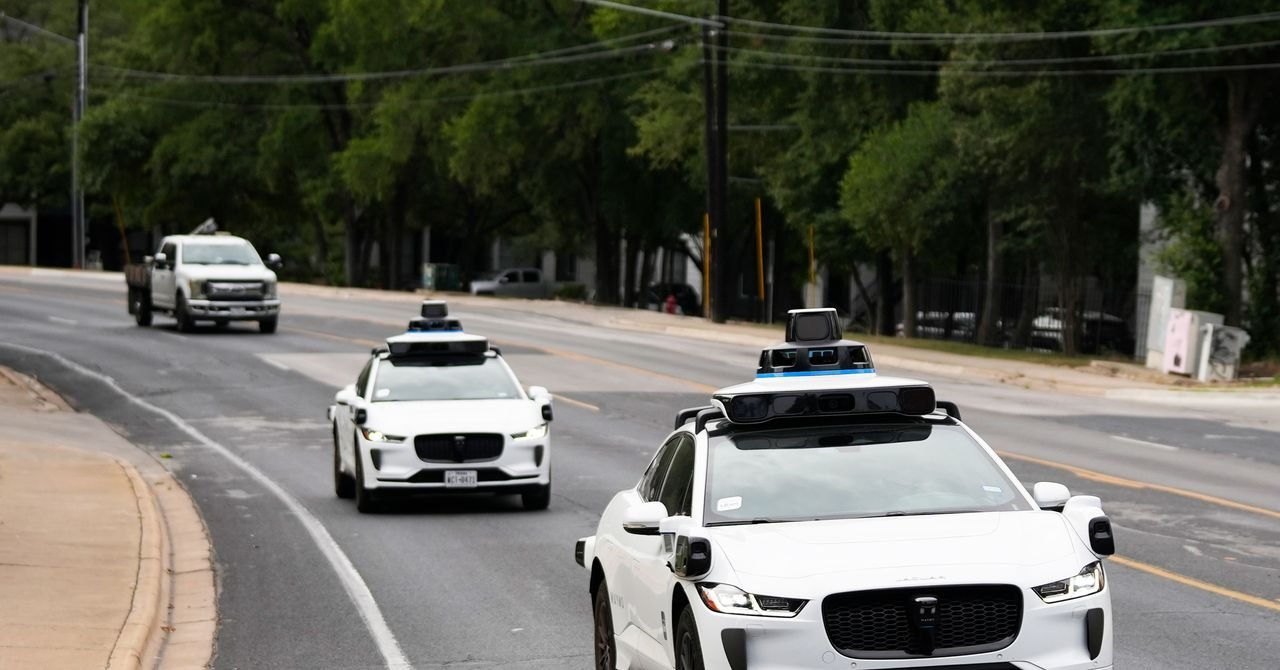
The fourth-most populous state in the union has some of the strictest laws governing autonomous vehicles, requiring companies conducting testing in the state to only conduct testing with a driver behind the wheel. There is no existing way for companies to operate commercial robotaxi services like those seen in San Francisco or Las Vegas.
But this may be about to change. On Tuesday, as part of her annual State of the State address, Governor Kathy Hochul is set to announce that she is proposing legislation that would expand New York’s existing rules to allow companies to operate limited commercial self-driving car services in cities around the state, her office confirmed on Monday. Pilot robotaxi programs will only be approved if companies submit applications that “demonstrate local support” for the deployment of their technology as well as strong safety records. The program will not include New York City.
“This program will make our streets safer and improve mobility options for communities outside New York City,” Governor Hochul said in a statement. He said state agencies will “ensure that these pilots are conducted in accordance with the highest safety standards.”
If it passes, the legislation will leave one thing unclear: how self-driving-tech developers can go from providing limited services in New York cities to operating full-scale commercial operations, like the one Waymo runs in the San Francisco Bay Area. Hochul’s office said more details on how commercial robotaxi services can fully begin in the state will come “in the future.”
New York City – the nation’s largest metropolis – operates its own autonomous vehicle testing permit program, but there is no way to allow vehicles to operate without drivers on its busy streets. Waymo has a permit to test eight vehicles in parts of Manhattan and Brooklyn; That permit will expire at the end of March. Eight vehicles are also not allowed to ply or carry passengers without a safety driver behind the wheel.
If it passes, Hochul’s legislation would mark a serious victory for self-driving-car developers, who have seen large, urbanized states including Illinois, Massachusetts, Washington and New York as the best targets for legislation allowing the operation of commercial robotaxi services. Laws in other states, including California, Texas and Arizona, clearly spell out how technology companies can move from testing to limited pilot programs and then to full-blown commercial services.
Waymo did not respond to WIRED’s request for comment.
State records show Waymo spent more than $370,000 last year lobbying New York state officials and lawmakers on transportation and telecommunications issues. The company currently operates driverless services in five cities—Phoenix, San Francisco, Los Angeles, Austin, and Atlanta—and plans to launch services in a few dozen more cities this year, including London.
Update, Jan. 12 at 9:10 p.m.: This story has been updated to note that Waymo did not respond to a request for comment.
<a href