“Those hours could have been spent running and analyzing data from these valuable missions,” Dreyer said. “This created a lot of unnecessary friction and churn at a time when NASA is being told it must remain competitive with China and other countries in space.”
Budget likely to be signed soon
The House of Representatives could vote on budget bills for Commerce, Justice, Science and related agencies this week, and the U.S. Senate could possibly vote next week. It is expected that President Trump will sign this bill. After this, it will become effective immediately for the current financial year, which will start from October 1.
The biggest hit to NASA’s science budget is the Mars Sample Return Mission, a NASA-led effort to bring back Martian rocks and soil for study in Earth-based laboratories.
“As proposed in the budget, the agreement does not support the existing Mars Sample Return (MSR) program,” the budget document said. “However, the technical capabilities being developed in the MSR program are critical not only to the success of future science missions but also to human exploration of the Moon and Mars.”
Although it gives no details, the budget provides $110 million for a “Mars Future Mission” program to support “radar, spectroscopy, entry, descent and landing systems.”
There are also some expectations for future missions
NASA had previously said it was halting the ambitious sample return mission because it was estimated to cost about $10 billion, and there was no firm date for the return of the samples.
Now it looks like the agency and its new administrator, Jared Isaacman, will have to develop a new strategy. This could involve sending humans to Mars instead of returning Martian rocks to Earth.
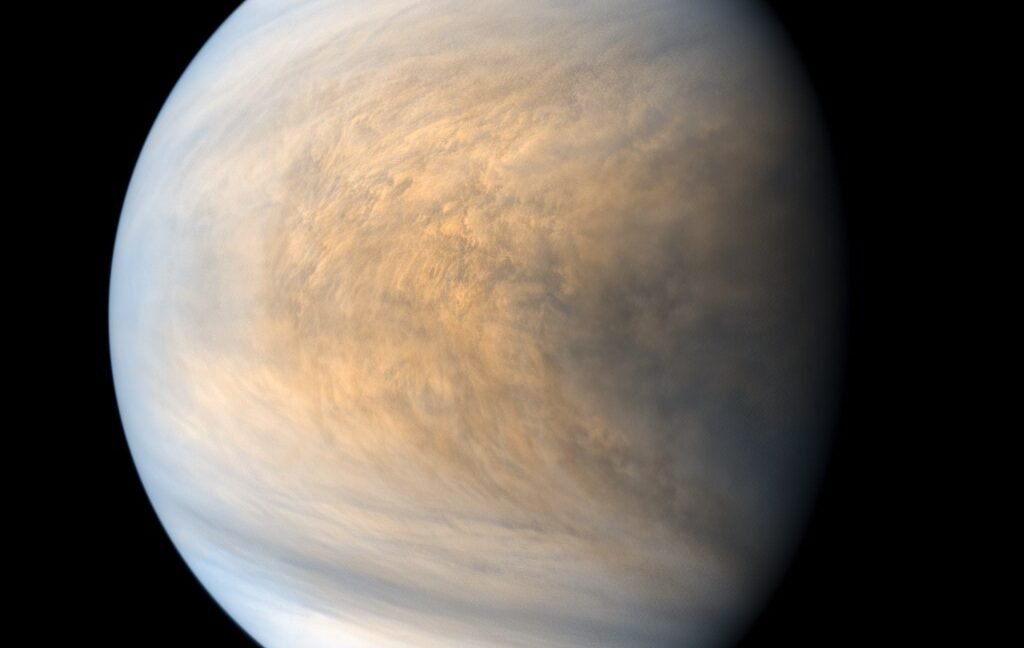
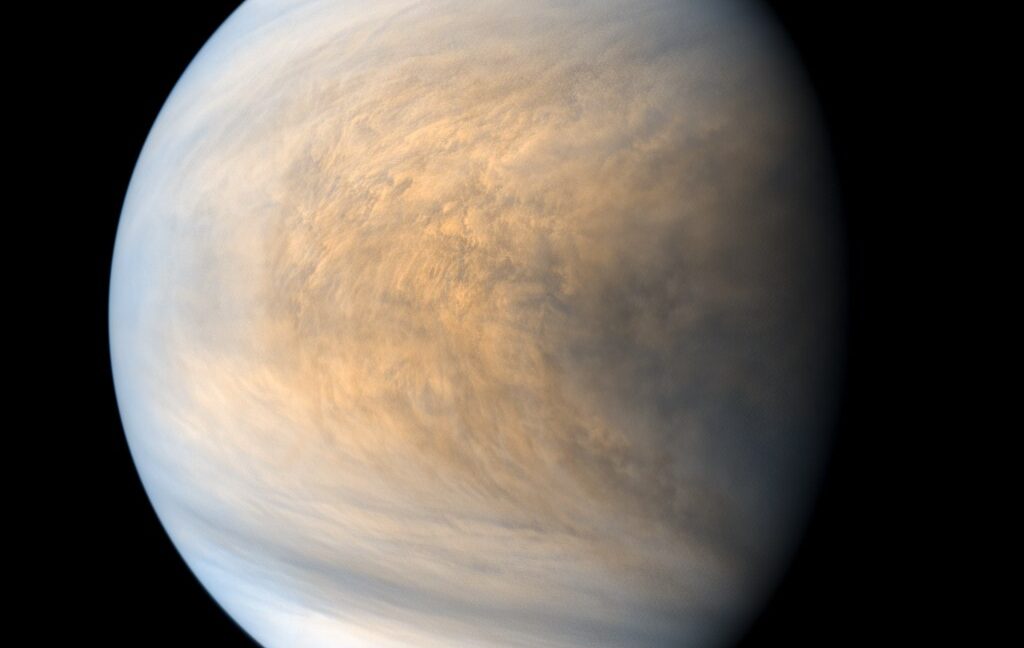
Contrary to the Trump budget request, the science budget also keeps future missions, such as the DAVINCI probe to Venus, alive. It also provides $10 million to continue studying the development of the Uranus Orbiter, as well as $150 million for a major telescope to search for signs of life on nearby Earth-like planets, called the Habitable Worlds Observatory.
<a href