At the heart of Isaacman’s concerns are the low flight rates of the SLS rocket and the Artemis mission. During previous exploration missions, from Mercury through Gemini, Apollo, and the space shuttle program, NASA has launched humans on average once every three months. It has been almost 3.5 years since Artemis I was launched.
“This is not the right way to move forward,” Isaacman said.
A senior NASA official, speaking on background to Ars, said the space agency has experienced hydrogen and helium leaks during both Artemis I and Artemis II pre-launch preparations, and these problems have caused launch delays of months.
“If I recall, the time between Apollo 7 and 8 was nine weeks,” the official said. “Launching SLS every three and a half years is not a recipe for success. Certainly, making each of them a work of art with some major configuration change isn’t helpful to the process either, and we’re clearly seeing the results of that, aren’t we?”
Therefore, the goal is to standardize the SLS rocket into a single configuration to make it as reliable as possible and allow it to be launched as often as every 10 months. NASA will fly the SLS vehicle until commercial alternatives become available to launch crews to the Moon, perhaps via Artemis V as mandated by Congress, or perhaps slightly longer.
Is everyone on board?
NASA officials said all of the agency’s major contractors are on board with the change and that senior leaders in Congress have been briefed on the proposed changes.
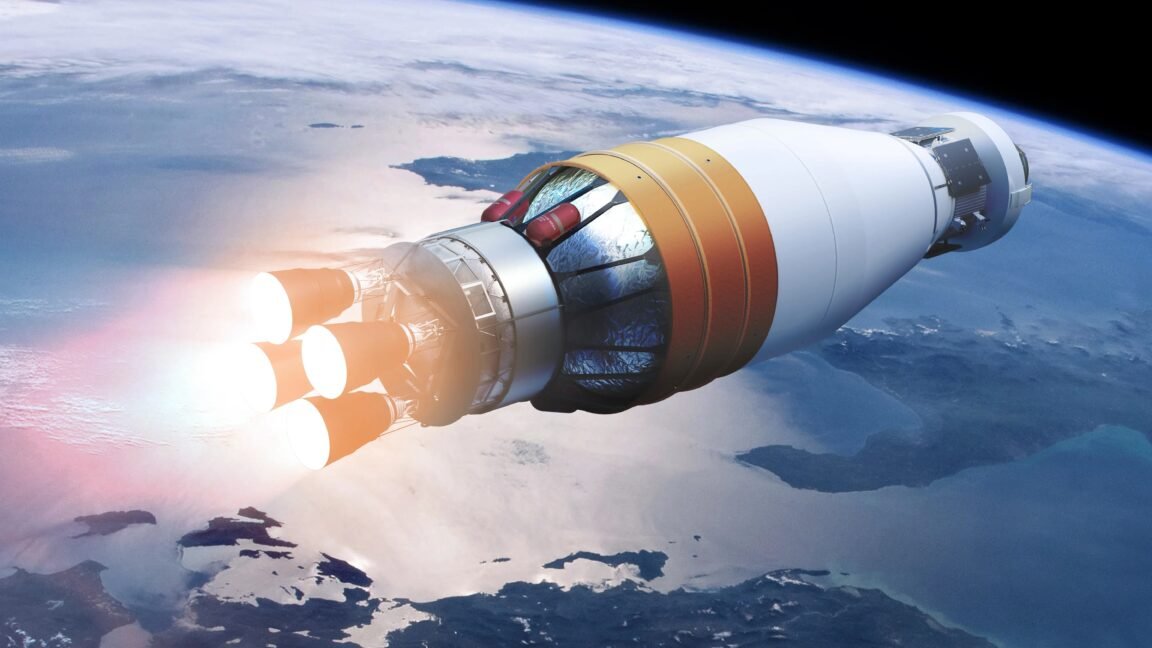
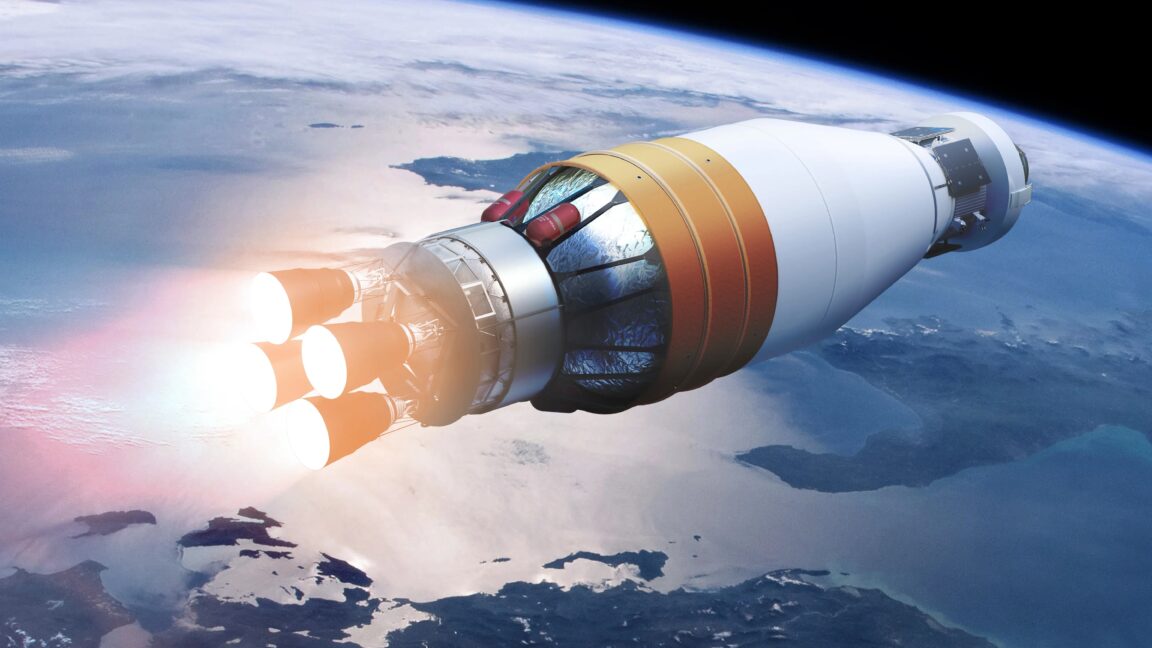
The biggest opposition to these proposals will come from Boeing, the prime contractor for the Exploration Upper Stage, a billion-dollar contract to develop a more powerful rocket that was scheduled to launch for the first time later this decade. However, in a NASA news release, Boeing appeared to offer at least some support for the revised plans.
<a href