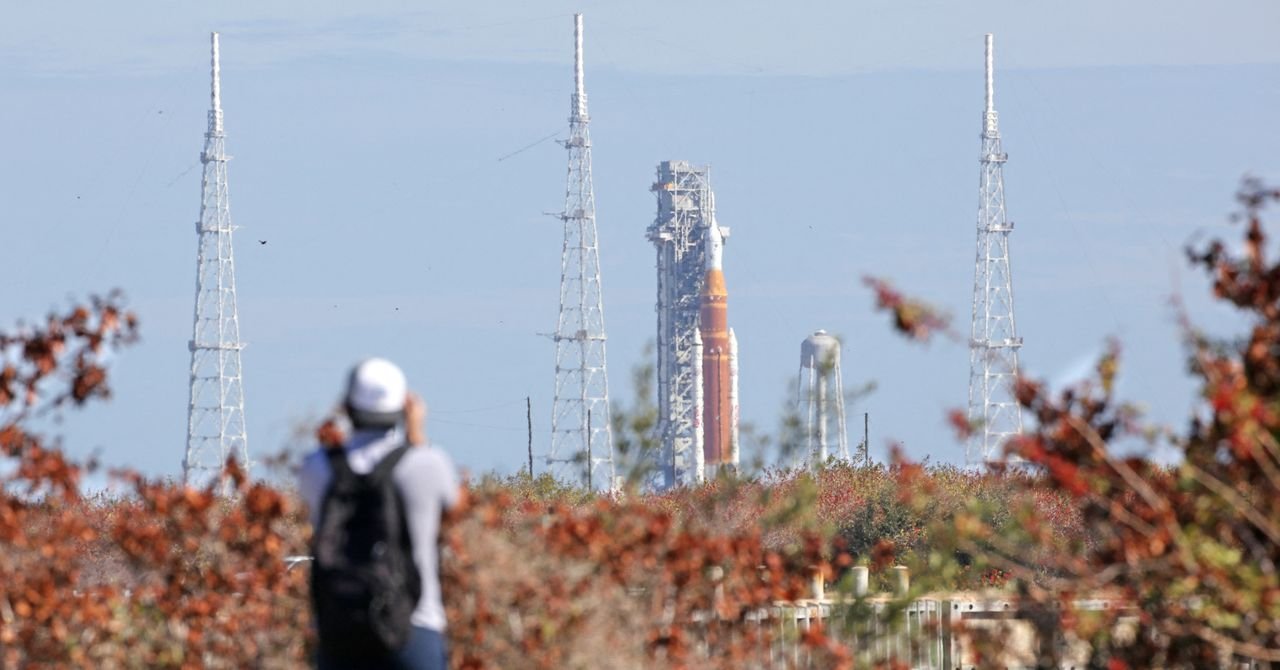
According to NASA Administrator Jared Isaacman, the failure was caused by an interruption in helium flow to the Space Launch System (SLS) interim cryogenic propulsion stage. The flow of helium is necessary to purge the engines and pressurize the fuel tanks. The system worked correctly in two dress rehearsals held this month, but the failure occurred during a routine operation.
Due to the nature of the problem, NASA engineers must fix it from the Vehicle Assembly Building (VAB), so there is no way to proceed with the March launch window. The rocket is heading back to the hangar.
“I understand that people are disappointed by this development,” the official said on his X account. “That disappointment has been felt most keenly by the NASA team that has been working tirelessly to prepare for this great effort. During the 1960s, when NASA achieved what most believed to be impossible, and which has never been repeated since, there were many failures.”
Will Artemis II be able to leave on its mission in April? NASA reported that rapid preparations allowed it to potentially preserve the April launch window in the event of a reversal. It all depends on the data, repair efforts and how the schedule pans out in the coming days.
Artemis II: failures
The mission’s first launch window was between 6 and 11 February. However, during the Wet Dress Rehearsal (WDR), which is a full rehearsal with fuel, the team detected small hydrogen leaks and some minor technical glitches during refueling. After analyzing the situation, NASA concluded that the risk was considerable and could endanger the astronauts’ lives, so it decided to postpone the launch.
The second dress rehearsal held on 19 February was successful. In a statement, the space agency reported that it loaded 700,000 gallons of liquid propellant without any leaks. NASA said, “During the test, the teams closely monitored liquid hydrogen fuel operations, which had proven challenging during previous tests. The concentration of hydrogen gas remained within acceptable limits, giving engineers confidence in the new seals installed in the interface used to deliver fuel to the rocket.”
At a subsequent press conference, mission representatives confirmed to the media that the new tentative liftoff date would be March 6. However, on February 20, the team failed to flow helium through the vehicle, a failure that also occurred during testing of the Artemis I mission. Isaacman said the cause could be a faulty filter, valve or connector plate.
“There are many differences between the 1960s and today, and expectations should be high given the time and expense invested in this program,” Isaacman said in his post. “I will say again, the President created Artemis as a program that would far exceed what the United States accomplished during Apollo. We will return in the coming years, we will build a moon base, and launch sustained missions to and from the lunar environment.”
When it finally launches, the Orion capsule will travel farther than any other manned spacecraft during its 10-day mission, surpassing the record of 400,171 kilometers set by Apollo 13 on the sixth day. The return will end with Orion’s landing in the Pacific Ocean off the coast of San Diego, California.
Although there will be no landing on the Moon – that feat will be for the Artemis III mission – the second launch is of vital importance. Its success will demonstrate that NASA has the technical capabilities to return to the Moon and begin a new phase of space exploration.
This story originally appeared in WIRED en Español and is translated from Spanish.
<a href