Like many mushroom pickers, I became interested in finding fungi during the COVID-19 pandemic.
When the pandemic hit, I was preparing to spend the summer studying wild desert plants in a remote part of Australia, and my travel plans were suddenly halted. It was March, just before morel mushrooms emerged in central Pennsylvania.
I was doing nothing except going on long hikes and taking classes remotely at Penn State to pursue a doctoral degree in ecology and anthropology. One of the classes was an agroforestry class with Eric Burkhardt. We studied how agriculture and forests benefit people and the environment.
These two things eventually led to a year long project on mushroom harvesting in our area.
Why do people forage?
Now foragers in Pennsylvania and the rest of the US Mid-Atlantic region have been harvesting wild mushrooms for generations, but the extent and specifics of the practice have not been formally studied in this region.
In 2021, Burkhart and I decided we wanted to better understand the diversity of wild mushroom species collected by Pennsylvania harvesters and what they use them for.
We conducted a series of surveys in 2022 and 2023, which revealed that a variety of fungi are found in the region – although morels, chicken of the woods and chanterelles are the most common. We also learned that harvesters use mushrooms primarily for food and medicinal purposes, and foragers form communities that share knowledge. These community-based projects often use social media tools to share pictures, notes, and even the results of DNA sequences to mushroom harvesters.
Our findings were published in the journal Economic Botany in October 2025.
160 species
After spending a year building connections with local mushroom harvesters, beginning in central Pennsylvania, including mushroom club and mycological association members, we recruited a diverse group of harvesters from around the mid-Atlantic. We also used mushroom festivals, social media and word of mouth to get the word out.
We asked harvesters about their favorite mushrooms, general harvesting practices, the resources they use when harvesting, and any sustainability practices.
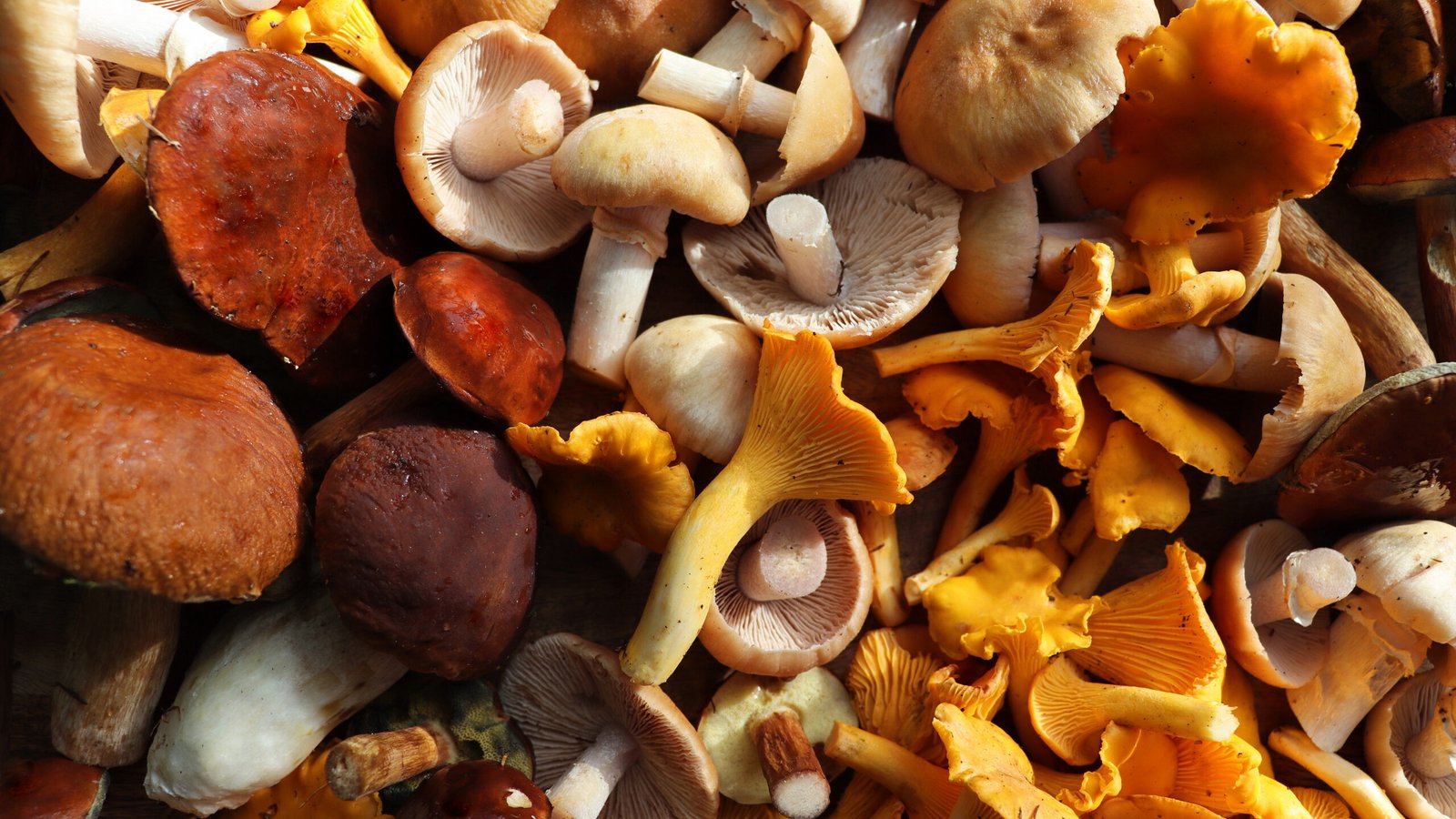
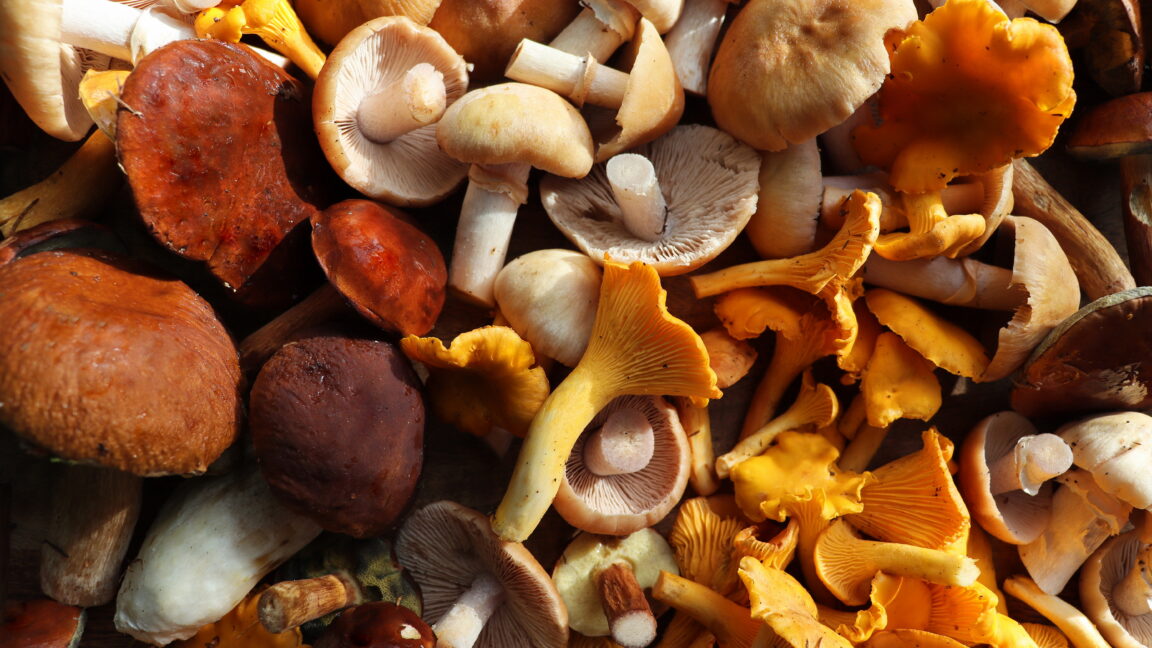
More than 800 harvesters responded to the survey and reported that, collectively, they harvested 160 species of wild mushrooms. Morels and Chicken of the Woods were the two most popular, as each was reported by about 13 percent of respondents. About 10 percent of respondents reported collecting chanterelles. Other popular species were hen of the woods, oystercatcher, lion’s mane, black trumpet, honey mushroom, turkey tail, bolete, sage, puffball, chaga, prawn of the woods and dryad’s saddle, also known as the pheasant’s back mushroom.
<a href