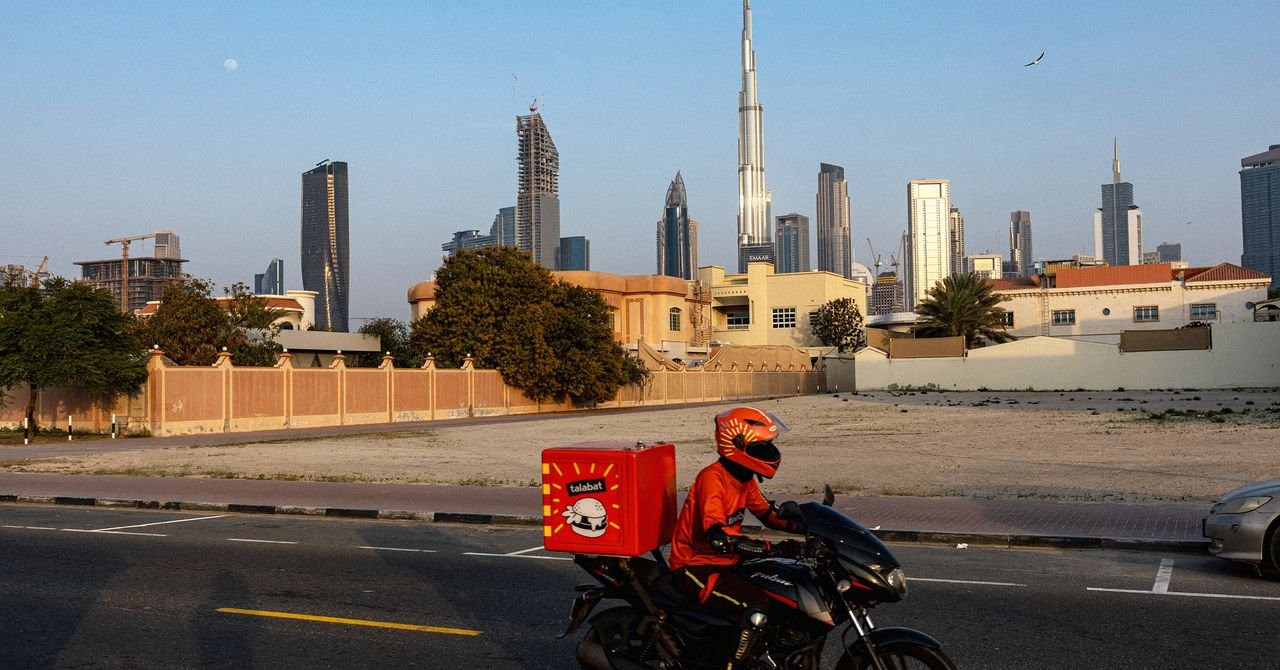
Uber’s delivery service pays a per-mile rate for each pickup and drop-off, as well as any tips left by customers. In some cities, drivers also get per-minute rates. This means that refusing to take orders has a direct impact on earnings.
The Deliveroo driver said he had not received any safety guidelines or advice from the company regarding the ongoing missile and drone attacks.
essential work
Delivery apps also bring groceries, medicine and other supplies to people living inside. Careem saw an increase in demand for pantry staples including water, rice, pasta and fresh produce.
According to the United Nations’ International Labor Organization (ILO), delivery drivers are essential workers who play a vital role in ensuring that residents have access to food, medicine and daily necessities, especially in times of crisis.
This shift occurred during the COVID-19 pandemic in 2020, as social distancing and quarantine made ecommerce indispensable, and transportation drivers were deemed essential workers. During the pandemic, countries created a list of services that were needed to continue operating.
“Most countries included activities aimed at ensuring the security and public order of access to food, water, electricity, sanitation and health care,” the ILO wrote. “However, the provision of such goods and services implies that other activities are also involved in view of their involvement in such provision.” This includes drivers for delivery apps.
While the term “essential workers” was popularized during the 2020 pandemic, the concept has existed for centuries: As the plague spread across Europe, certain tasks, such as grave digging, were deemed essential. During the Spanish Flu, rice cultivation was given priority to avoid famine.
In modern society, “essential” takes on a new meaning. Keeping these services running is part of helping maintain normalcy and avoid panic buying or empty shelves – although it comes with risks borne by most migrant workers.
Additional reporting by Dana Alomar.
This story originally appeared on WIRED Middle East.
<a href