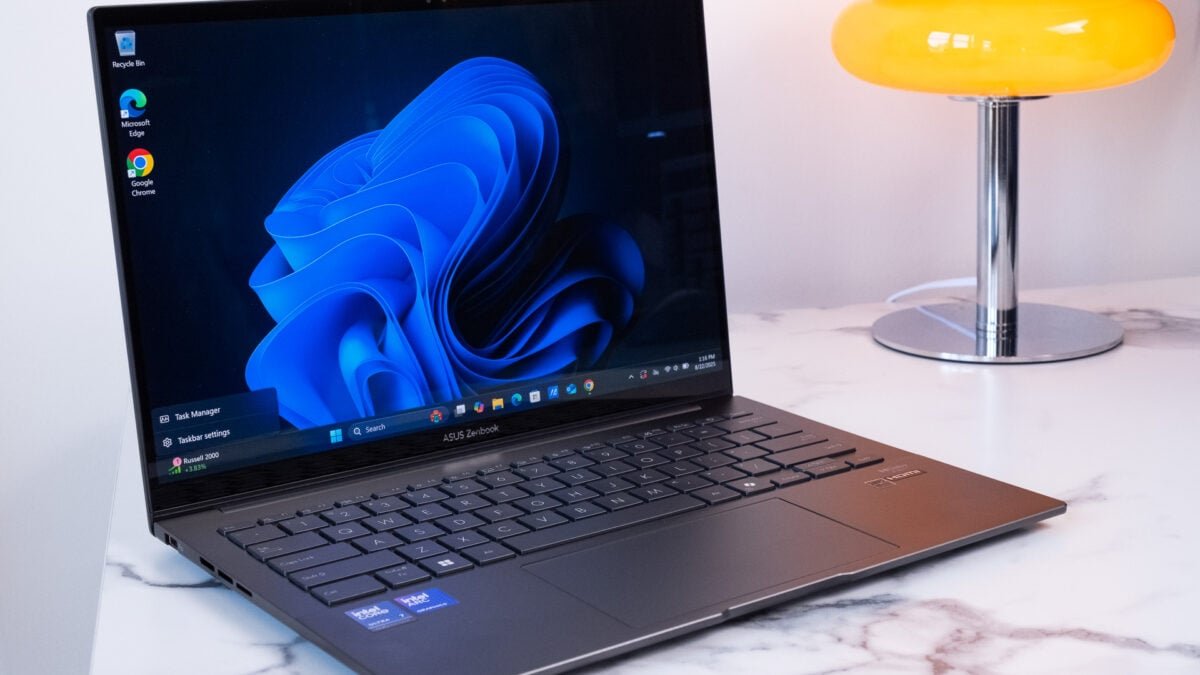
CoPilot+ PCs – first introduced in 2024 – were never going to offer us onboard AI – not in the way the tech giants first announced. Microsoft introduces its new range of AI PCs in 2024 with some specification restrictions. To gain access to new AI features like the much-infamous Recall, these PCs need an NPU, an AI-focused chiplet called a Neural Processing Unit, capable of running at least 40 TOPS, or trillions of operations per second. They are also required to have at least 16GB of RAM and 256GB of storage.
📈 With memory prices rising in 1Q26, BOM pressure has increased for smartphone and laptop makers. As memory cost share rises, how will brands protect margins?💡More analysis from here #trendforce: https://t.co/TsS5h8Ni36 🔗
– Trendforce (@trendforce) 11 December 2025
However, the ongoing RAM shortage will inevitably drive up the price of laptops with more memory. This means that gaming laptops with at least 16GB and up to 64GB of RAM will cost much more. Last week, analyst firm TrendForce said that low-end phones and lightweight notebooks will have to start downgrading specs to maintain costs. Entry-level and mid-range laptops will need to start reducing RAM to 8GB. This may come at the expense of many features that depend on more memory. qualcomm snapdragon
Laptops are doomed due to memory prices

Major semiconductor companies are already promising more trouble in the future. Micron, the third-largest memory semiconductor company after Samsung and SK Hynix, has spun off its consumer-facing Crucial brand to focus its efforts on AI. This move has only contributed to the memory shortage, and the company knows it. In its latest earnings call, Micron CEO Sanjay Mehrotra said, “We expect these conditions to persist beyond calendar 2026.” But don’t worry about your pretty little head; The company’s Q1 revenue increased 57% year-over-year.
PC component brand G.Skill blamed “unprecedented high demand from the AI industry” in a statement posted on its website this week. G.Skill is just saying what we already knew. AI data centers are creating so much demand for high-end memory that major semiconductor companies are avoiding consumer brands to build AI cloud compute. Microsoft itself has promised to double its data center presence in the US and around the world over the next two years. This includes 200 planned data centers in Europe by the end of 2026. Microsoft has tried (and sometimes failed) to promote new cloud computing sites in various locations across the US, leading to increased demand for electricity and water usage.

These companies are already prepared, but laptop makers are the first to feel the pressure. Next month, the entire PC industry is heading to Las Vegas, Nevada for the annual CES conference. This is where these companies showcase all the new products they intend to introduce throughout the year. I don’t expect we will know their prices right from the bounce. The price of RAM will determine how much more we need to spend in 2026.
And if these laptops do indeed sport less RAM, what will happen to Microsoft’s Copilot+ branding? Microsoft did not respond to Gizmodo’s request for comment. Either the price of the laptop will be too high, or we may see very few laptops announcing their AI capabilities next year.
More RAM is always welcome, but it is now becoming standardized. More apps are tuned for 16GB of memory, especially anything that requires graphics processing. If you haven’t tried doing any photo editing on the older 8GB model of the Apple MacBook Air, I wouldn’t recommend it. You can’t expect to play any more recent games with only 8GB of RAM.
Apple only started sticking its MacBooks with base 16GB of memory last year, thanks to the need for AI processing. This is what makes the $1,000 M4 MacBook Air truly stand out from Apple’s laptop designs. We can’t predict what it’ll cost next year, but we can’t recommend anyone going out and buying an 8GB laptop in this day and age. And if anyone wants to sell new computers next year, it will be a big problem.
Microsoft is hurting itself for the sake of AI

In October, Microsoft pushed the idea that every Windows 11 device is now an “AI PC,” with no need to go out and buy a new device. This was just around the time the memory shortage was beginning to take hold, when consumer DRAM prices began rising by 50%, then 100%, and eventually 500% and more. Microsoft hoped that consumers would begin using their voices to communicate with their PCs using a new CoPilot interface. The chatbot will be able to see everything you do on your computer screen, make suggestions, and even tell you the spot on your desktop when you need help.
However, some of these new or beta features proved to be winners. Users who had access to an early version of Copilot Vision found that the feature would easily give you bad advice and fail at simple tasks. Microsoft’s Gaming Copilot, a feature that acts as a companion when you’re stuck in a game, is such a persistent liar that I’d rather play blind than listen to any of its projections.
Microsoft has not yet promoted the Copilot+ PC. The company showed off new Surface Laptops with built-in 5G connectivity in several regions earlier this year. Still, hardware is not the goal. Hell, it’s not even Windows, despite Microsoft encouraging millions of Windows 10 users to switch to 11. Microsoft’s top leadership is fully absorbed in transforming the tech giant into an AI-first company, and that means pushing hard on the company’s leadership to get on board. The new focus may also come at the expense of long-serving executives like Windows chief Rajesh Jha. The VP of Microsoft’s Experiences and Devices group is reportedly eyeing retirement, according to multiple anonymous Microsoft executives who spoke to Business Insider.
Microsoft’s global effort to remake its business into an AI-first model will come at the expense of its more than 1.4 billion monthly active users on the Windows platform. We don’t suggest you buy a new PC at any increased price unless it’s absolutely necessary, especially if it’s worse than the one you bought any year before now.
<a href