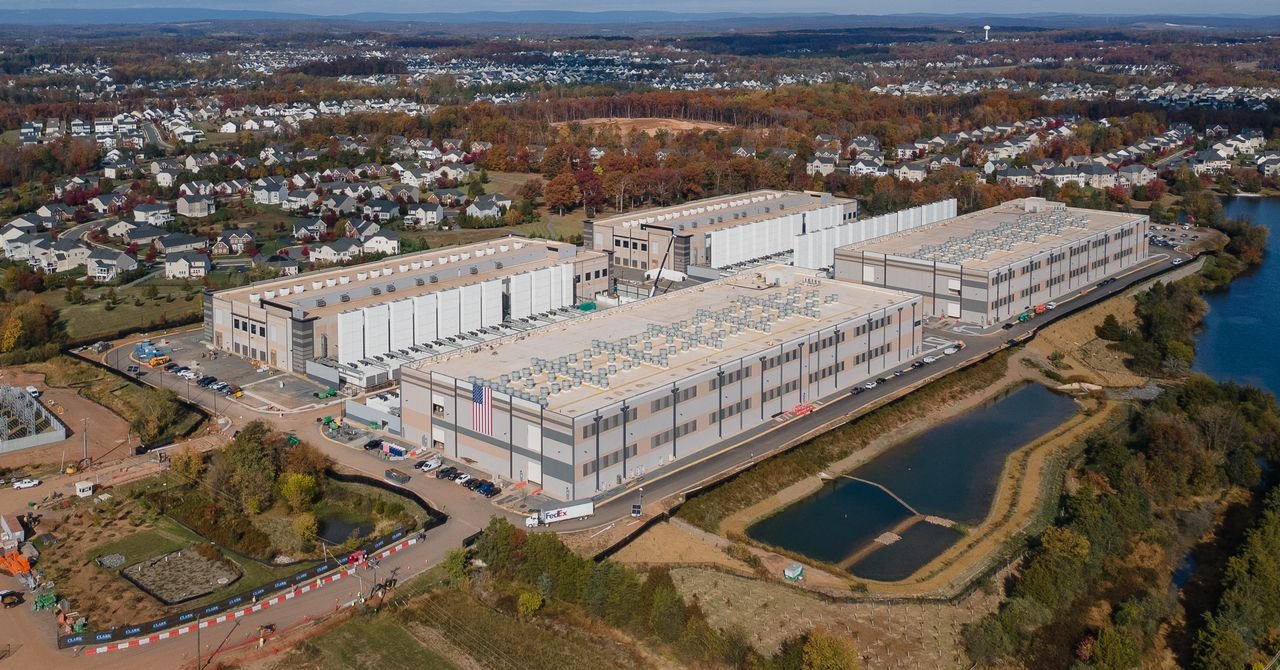
Speaking on stage at an event in Great Falls, Virginia, Microsoft vice president and president Brad Smith directly referenced the growing national backlash over data centers, describing it as “a moment in time when we need to listen, and we need to address these concerns head-on.”
“When I visit communities around the country, people have questions – pointed questions. They also have concerns,” Smith said, as a slide showed headlines from various news outlets about protests against the data centers. “Those are the questions we need to pay attention to… We’re at a time when people have a lot on their minds. They’re worried about the price of electricity. They wonder what this big data center will mean to their water supply. They look at this technology and ask, what will it mean for the jobs of the future? What will it mean for adults today? What will it mean for their kids?”
The announcement followed a post by President Donald Trump on Truth Social on Monday, in which he pledged that his administration would work with “major US technology companies”, including Microsoft, to ensure that data centers do not increase customer utility bills.
“We are the ‘hottest’ country in the world and number one in AI,” Trump wrote in the post. In it he also accused the Democrats of being responsible for the increase in utility bills. “Data centers are key to that boom, and keep Americans free and safe, but, the big technology companies that build them have to ‘pay their own way.'”
Average electricity bills have increased faster than inflation in recent years in many parts of the country. These price increases are due to several factors, including the cost of repairing and maintaining the country’s aging electrical grid. But high demand for electricity – including from data centers, which can be expensive to connect to the grid – plays a role. As technology companies and utilities are predicting a huge new need for energy from data center buildouts nationwide, the Energy Information Administration projects that electric bills will continue to rise through 2026.
Concerns over data centers and power bills played a key role in many local and state midterm elections last year, while research released last fall shows that local opposition to data centers skyrocketed in the second quarter of 2025, causing billions of dollars of projects to be stalled or canceled. The political divide against data centers appears to be bipartisan. In recent months, influential former Trump strategist Steve Bannon has begun speaking out against the energy and water costs of its data centers. war Room The podcast is part of a larger protest by some MAGA heads against AI buildout in the US.
In contrast, the Trump administration has made accelerating data center construction in the US a major priority. It has removed a variety of environmental protections for data centers, including water protection, accelerated review of the chemicals involved in their use, and encouraged their development on federal lands. The Energy Department has also directed the Federal Energy Regulatory Commission, which oversees interstate transmission, to work on issues surrounding data centers and the grid.
Microsoft, which has about 100 data centers planned or under construction across the country, has faced some local opposition to some of its projects. In October, the company canceled plans for a data center in Wisconsin due to local opposition; The group leading the charge against that project warned of “potential 5-15% rate increases to subsidize cheap power.” The company revealed last week that it was also behind a proposed project in Michigan, which was put on hold in December after concerns from community members. Hundreds of residents attended the planning commission meeting for the project Monday night, many of whom told local media they were there to express their opposition.
<a href