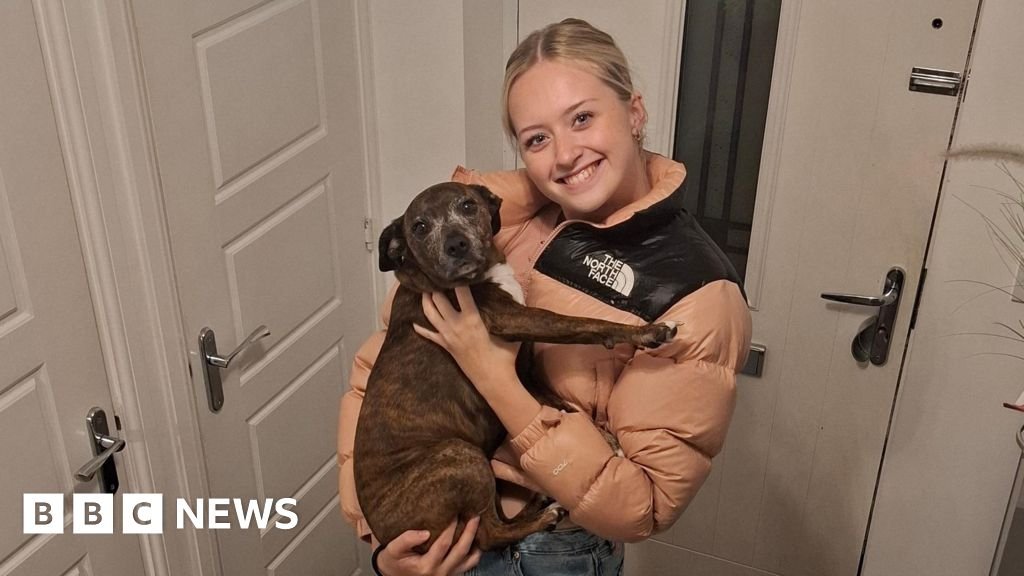

 family gift
A popular and sporty teenager who made a “big impression” at his new university, he died within weeks of his debut, after suffering meningitis.
Meg Draper was 18 and joined the swimming and netball teams, but died of meningococcal type B meningitis (MenB) while studying physiotherapy in Bournemouth in October.
Her parents from Pontypool, Torfaen and the National Union of Students UK are now demanding a vaccine or booster be made available to young adults on the NHS.
The MenB vaccine – the only protection against the bacteria, which causes 82.6% of meningitis cases in the UK – is only available on the NHS for young children, as they are considered to be most at risk. It provides protection for a few years, and for older children, a booster or vaccine costs around £220 privately.
While MenB has been described as “rare” in those over four, there is a second, less common peak in teenagers – which has led to calls for older children to be routinely vaccinated.
The Welsh Government takes advice from the Joint Committee on Vaccination and Immunization (JCVI), which concluded in 2014 that routine vaccination for young adults was “not cost effective”.
Meg was vaccinated against meningitis A, C, W and Y, with her parents saying it was “terrible” to discover that a separate MenB vaccination existed.
The boss of the charity Meningitis Now has described it as a “tragedy” young people are not routinely protected from it.
Meg’s mother Helen Draper said she would have paid £220 to get her vaccinated privately “in a heartbeat”, adding: “We have spoken to hundreds of people who have reached out and we have yet to find a single person who is aware.
“They are in the same situation as we are.
“That really scared us because at first we thought we dropped the ball, we missed something.”
Meningitis is an inflammation of the meninges, the tissues surrounding the brain and spinal cord, and is usually caused by bacterial infection.
University students are particularly at risk because they mix with a lot of new people, and the bacteria that cause meningitis spread through sneezing and coughing in the same way as the common cold.
Motivated by treatment for an injury she suffered just days before trials for the Wales netball under-17 team, Meg attended Bournemouth University, which her parents described as her “dream”, where she studied Physiotherapy.
Her mother described her as “sporty, outgoing, friendly, really charismatic and talkative”, adding: “She just loved being around people and people really loved being around her.
“He had a zest for life that was compelling. We were in awe of him.”
Meg hit it off with her flatmates and was enjoying the social side of university by joining the swimming and netball teams.
But one night she told her parents she was feeling lethargic – within 24 hours her symptoms, including fever, headache, vomiting and a stomach rash, worsened and she went to hospital.
He died a few days later.
Meg was vaccinated against the A, C, W and Y strains of meningitis during the coronavirus lockdown at the age of 14, her mother said.
Mrs. Draper and husband Lee thought this meant their daughter was safe from all types of meningitis, including Menby.
“The way it was shown to us was that it was a meningitis vaccination, we didn’t know there was another vaccine,” the 45-year-old man said.
 family gift
Meg had made lots of friends, her mother added: “Even at her funeral, they had to load everyone from Bournemouth onto a coach.
“To think, she was only there for five weeks, but the number of friends she had at university – we couldn’t understand how influential she had been in such a short period of time.”
What is meningitis?
Meningitis is caused by a variety of bacteria, viruses, fungi, and other pathogens, and the predominant bacterial strains include meningococcal types A, B, C, W, X, and Y.
It can affect anyone, but it is most common in infants, young children, teenagers, and young adults.
This can cause life-threatening septicemia and result in permanent damage to the brain or nerves.
According to UK government data, in the past year, 82.6% of all cases (313% of 378) were MenB, followed by MenW (43,11.3%), MenY (13, 3.4%), and MenC (0.8%).
Infants are more at risk of MenB because they do not have immune protection from antibodies; the disease is rare in children over the age of four.
Teenagers are more likely to have bacteria in their throat than other age groups, which is why there is a second, smaller, peak of illness in that age group.
The MenB vaccine is given in three doses by the NHS to babies at eight weeks, 12 weeks and one year of age. If a child has missed any vaccinations, they can still get them on the NHS until they are two years old.
Symptoms include severe headache, high temperature and rash.
With prompt diagnosis and antibiotic treatment, many people will make a full recovery.
One in four survivors suffer long-term disabilities, deafness, epilepsy and learning difficulties.
 family gift
Mrs. Draper said, “We can’t bring Meg back but we can make sure her death wasn’t in vain.”
“For us, his legacy in doing this means everything.”
They want more awareness for parents, and the MenB vaccine is available for young adults on the NHS.
The Welsh Government bases its vaccination policy on the JCVI recommendations, and implements them through NHS Wales.
“The JCVI advises all UK governments on vaccination and vaccination matters, including eligibility, safety and the vaccine programme,” a spokesperson said.
Dr Tom Nutt, chief executive of the charity Meningitis Now, said MenB can be fatal for up to one in 10 people affected, adding “when it strikes it can kill within 24 hours”.
“The fact that there is a vaccination available against MenB that can protect this group of young adults is something we think is a bit of a tragedy,” he said.
“Prevention is better than cure, it is far better to protect than to help people live healthier lives, to help keep families together and to avoid the pain of bereavement and disability caused by meningitis.
“It’s a good investment in terms of keeping people healthy and saving lives.”
A spokesperson for the National Union of Students UK said there is “not enough awareness” for young people starting university, saying the NHS should offer the vaccine.
“While we all expect the inevitable freshers’ flu, deadly viral strains are also spreading that students need to protect themselves from and be aware of,” he said.
“Meningitis B vaccine should be introduced on the NHS – the cost of life-saving vaccines should never be a barrier.
“And until then, universities and colleges themselves should consider offering it to their students because no one should have to die from a preventable virus.”
He said any Bournemouth University students affected by the news should contact the Students’ Union for support.
A spokesperson for Bournemouth University said that Meg “made a huge impression” and that “her loss is deeply felt”.
“We advise all of our students before they join us on how to get vaccinated against the meningitis types and send them reminders throughout the year,” she said.
“Our advice emphasizes that they need to seek medical help immediately if they develop any symptoms, even if they have been vaccinated.”
The university is running weekly walk-in clinics on campus for the MenA, C, W and Y strains.
The UK Health Protection Agency and local health teams said activities on campus can continue, and the risk of transmission is low.
Meg’s close contacts have been offered antibiotics to prevent the spread of infection.
<a href