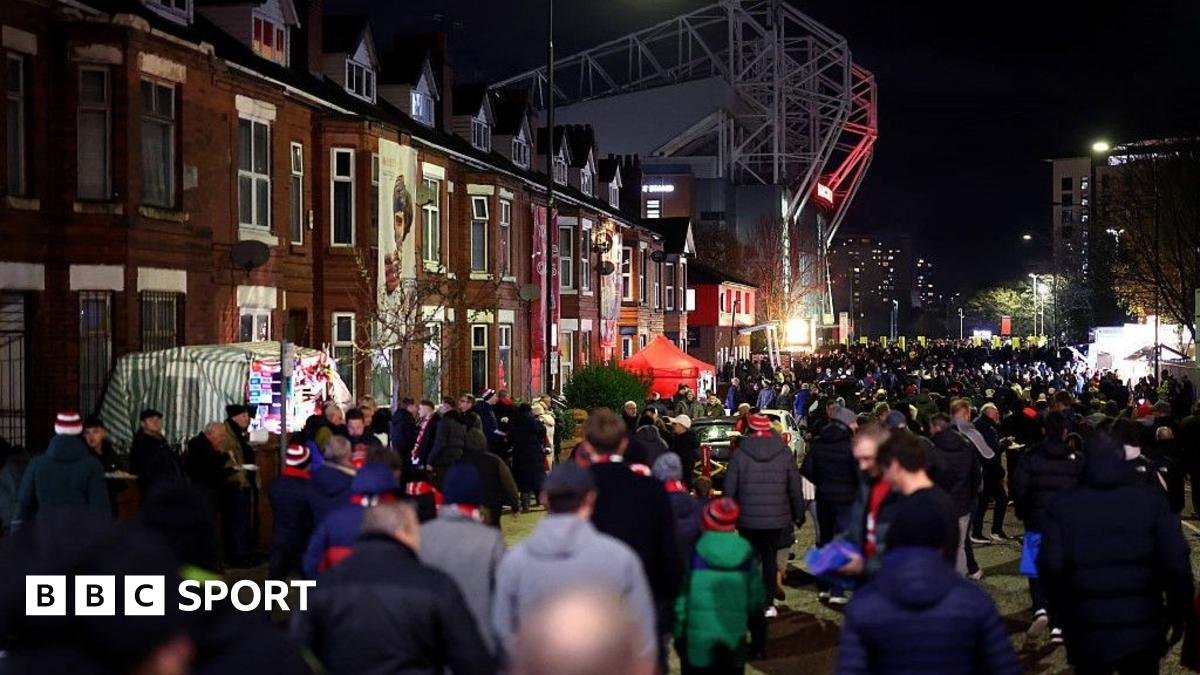
Speaking to United staff earlier this month, the scale of the problem was highlighted.
In times past, a feature of an Old Trafford match day was people surrounding Sir Matt Busby offering to sell tickets. But the numbers have reduced.
Now trading is done on Facebook or WhatsApp groups and thus formal identification becomes difficult or impossible. Infiltration is incredibly difficult.
In the minutes of an October fans’ forum meeting, United said that 2,000 tickets for the Premier League game with Chelsea on 20 September had been “successfully retrieved” and that “over 4,500 active users had been blocked from purchasing tickets”. The club believes that the use of bots to purchase large numbers of tickets under fake names is a major problem.
The club says that on average season ticket holders return 5,000 to 7,500 tickets per game for “reuse”. He estimates that between 10% and 15% of United’s 47,000 season tickets are owned by brokers, who take the tickets from holders who do not want to keep them. Valid address is no longer required as tickets are distributed in digital form.
Around the first five home games of the season, United either blocked or canceled 22,000 tickets, a figure the club considers “the tip of the iceberg”.
The club investigates suspicious tickets which require fans to seek officials at the ticket office at away games. From that, it was established that one fan paid £900 for a ticket to watch the win at Liverpool, another paid £800 for the 2-2 draw at Tottenham earlier this month.
With more tickets available, there may be some disturbing scenes at Old Trafford as supporters realize they have been cheated. For away matches, ticket holders are allowed entry to the game. The source of the ticket has been logged and action taken. At home, this is often not possible when tickets for the same seat are being sold multiple times.
Brokerage is big business. It is estimated to be worth hundreds of thousands of pounds a year to those involved and is not limited to Manchester United. The largest northern clubs and all London clubs are the main targets, with foreign supporters willing to pay a premium to circumvent club ticketing policies of which they either have no knowledge or whose criteria they do not meet.
At one point, Manchester United sent out temporary staff to buy tickets from the street. Within minutes, it became clear that those running the brokering campaign had discovered what was happening and demanded to know why it was happening. Ticket checking on the road resulted in verbal and physical threats.
The club appears to have begun to find out who is really in charge of its season tickets. To do this with a membership of approximately 500,000 – with all members able to apply for tickets – is impossible.
The price of tickets for corporate areas, which rarely sell, has been reduced, meaning that paying increased sums to brokers is unnecessary.
<a href