According to a March 26 filing with the National Highway Traffic Safety Administration, the lap belt anchors in the second-row seats may have been welded incorrectly, which could have caused the brackets to fail. Lucid discovered the problem in January during testing for an unrelated issue. In that test, the lap belt anchor failed, even though the vehicle had met standards during previous compliance tests. No injuries have been reported by NHTSA or Lucid over this problem.
The affected Gravity models were built between December 2024 and February 2026, comprising 4,476 vehicles. It’s unclear how many vehicles are headed to customers, but analysts estimate Lucid will deliver about 800 units by the end of 2025, based on the company’s full-year financial filings. First quarter results for 2026 have not yet been made available.
NHTSA says Lucid will send notification letters to owners by May 22 to have vehicles inspected and get free repairs if necessary.
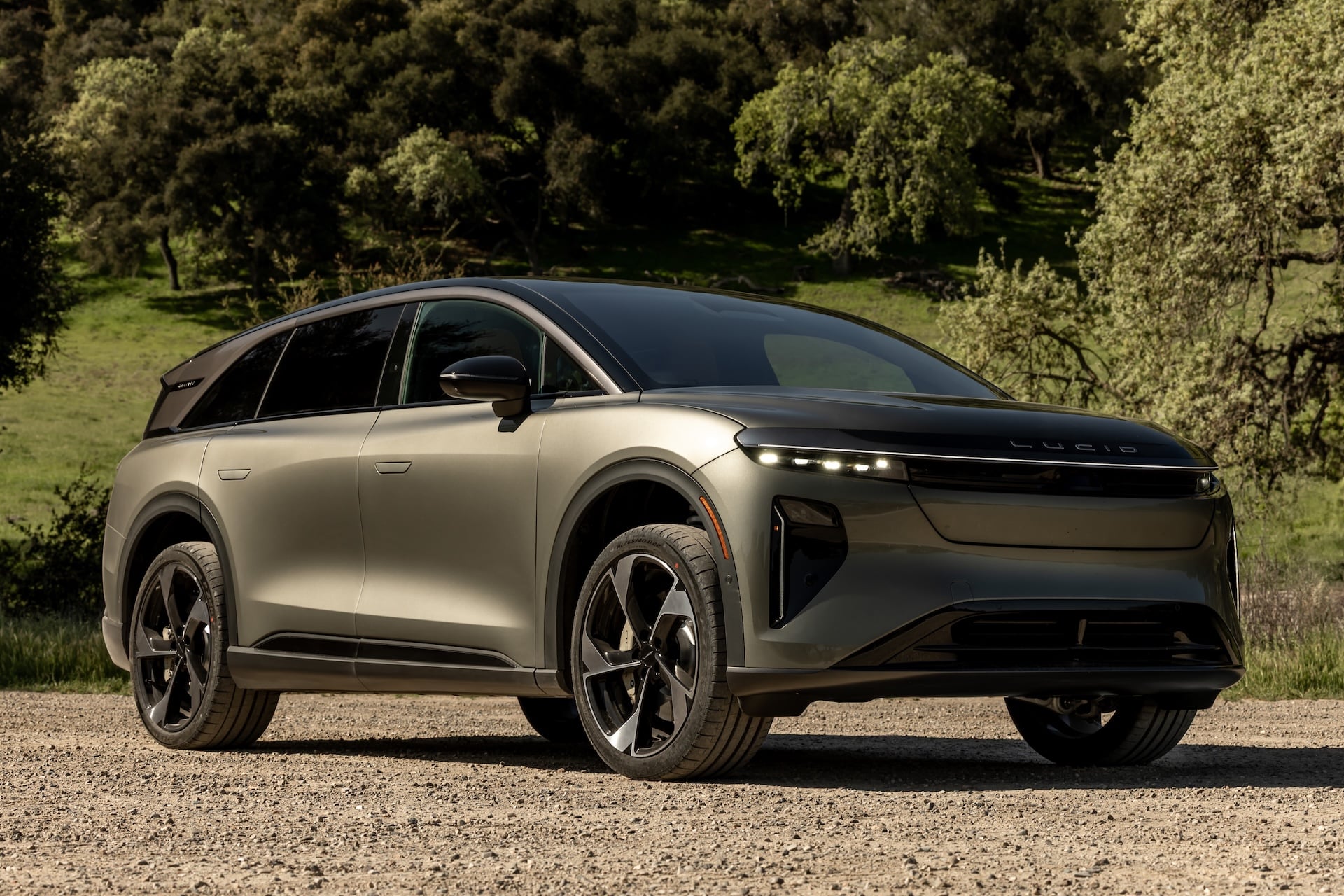
The Gravity is Lucid’s second production model and arguably its most significant now, as it’s been five years since its Air sedan went on sale. The Gravity competes with other large luxury EV SUVs from the likes of Cadillac, Rivian, and Volvo. It also arguably fills the space that was vacated when the Tesla Model X ended production so the company could build robots in its place. Lucid said last month it was planning three less expensive SUVs that would compete with the Rivian R2, Tesla Model Y and other midsize EVs at a much lower price than the Gravity’s $81,000 base.
And if that doesn’t impact Gravity’s success enough, Uber is using it as the basis for future robotaxi in a deal announced in January with a commitment of 20,000 vehicles over the next six years, following the rideshare company’s $300 million investment.
<a href