the problem we were solving
By 2023, AI image generation had become mainstream and highly controversial. Image generation models like DALL-E and MidJourney trained on billions of scraped images, often without the artist’s consent or compensation. Surveys have consistently shown that consumers believe artists deserve to be paid when AI creates content in their style. Yet no business model existed to do this.
Media companies were at an impasse. Outlets like the Rolling Stones and Fortune wanted AI-generated imagery for blogs, thumbnails, websites, and graphics. But given the many ongoing lawsuits, their legal teams were nervous about copyright exposure. So publishers either banned AI tools altogether or turned a blind eye to their use, hoping for the best.
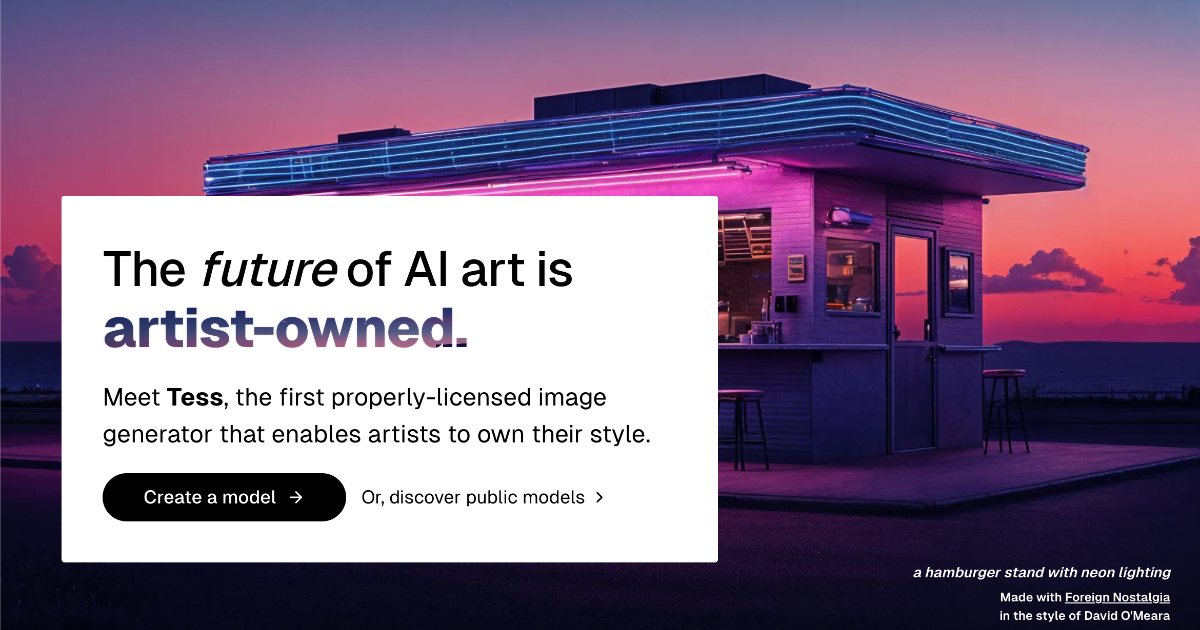
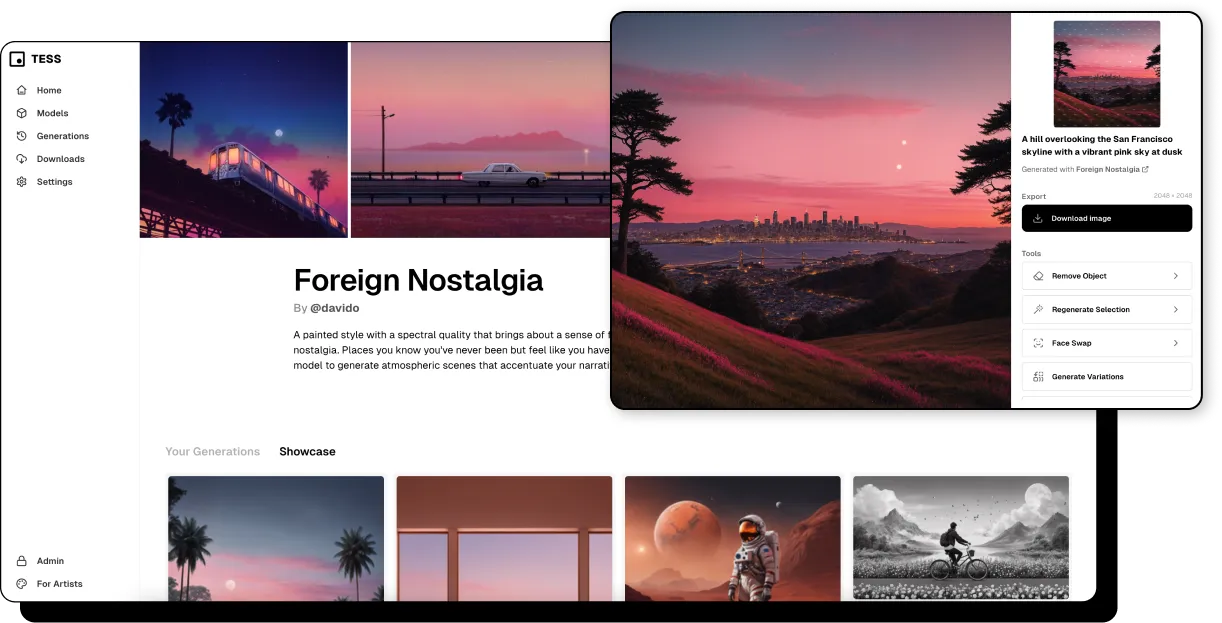
Tess Our answer to this was crisis: An AI image creation platform where each image could be traced back to a consenting artist, who earned royalties on its production. In this way, we argued that Tess was The first “properly licensed” image generator Which produced quality images similar to the Midjourney and other leading models.
How the business model works
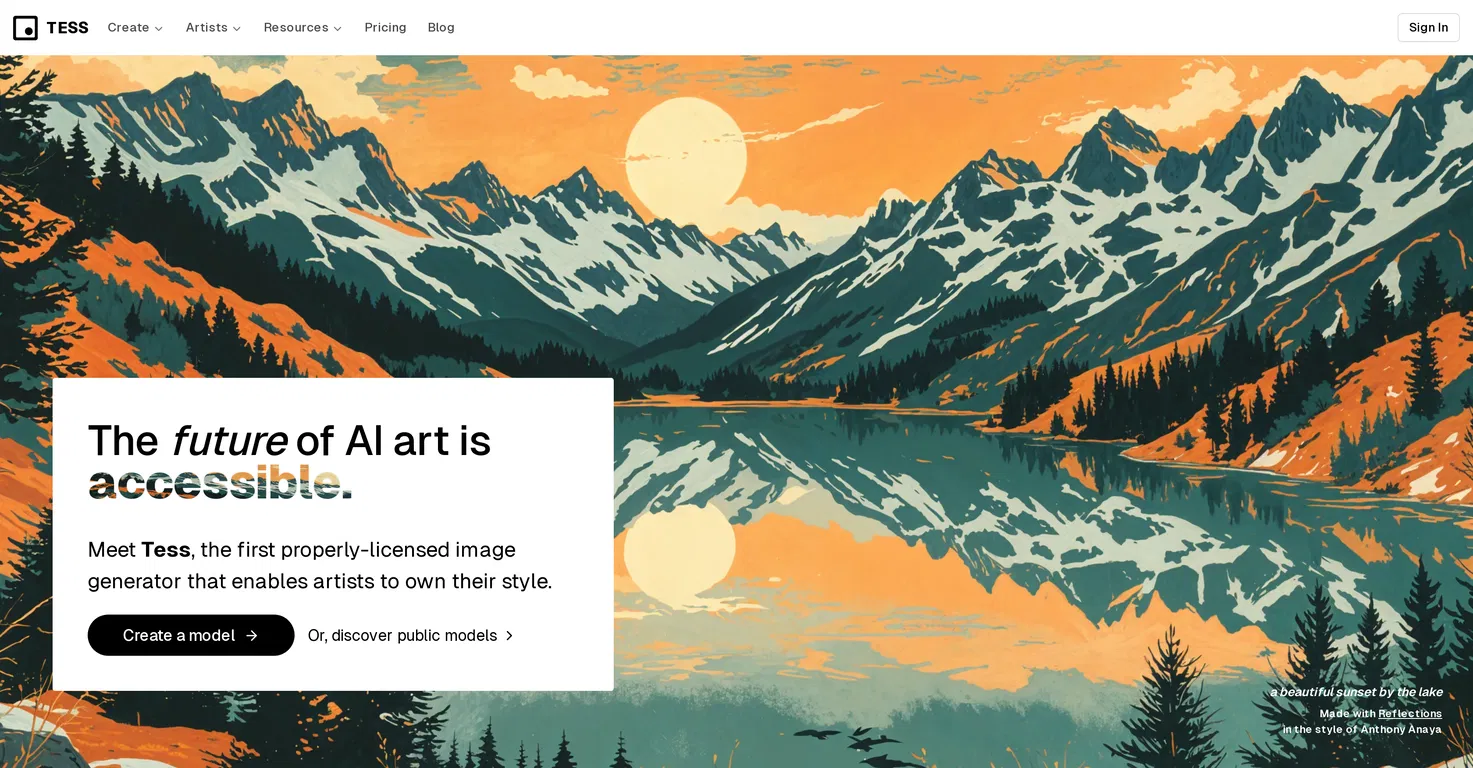
Tess artists presented a set of their work to improve the Stable Diffusion Base Model. The resulting models, aligned to that artist’s aesthetic, were listed on the public marketplace at tess.design/models. Subscribers paid for access; The artist earned 50% of the revenue when clients used his models.
The legal framework matters as much as the product. Working with Fenwick, we created a Contributor Agreement and Enterprise Services Agreement based on a new copyright logic. We held that because all output was stylistically transformed into the aesthetics of the contributing artist, the artist owned the copyright on the derivative works and could license them downstream to customers. This created a neat chain of copyright ownership, which was not offered by any other AI image generator at the time.
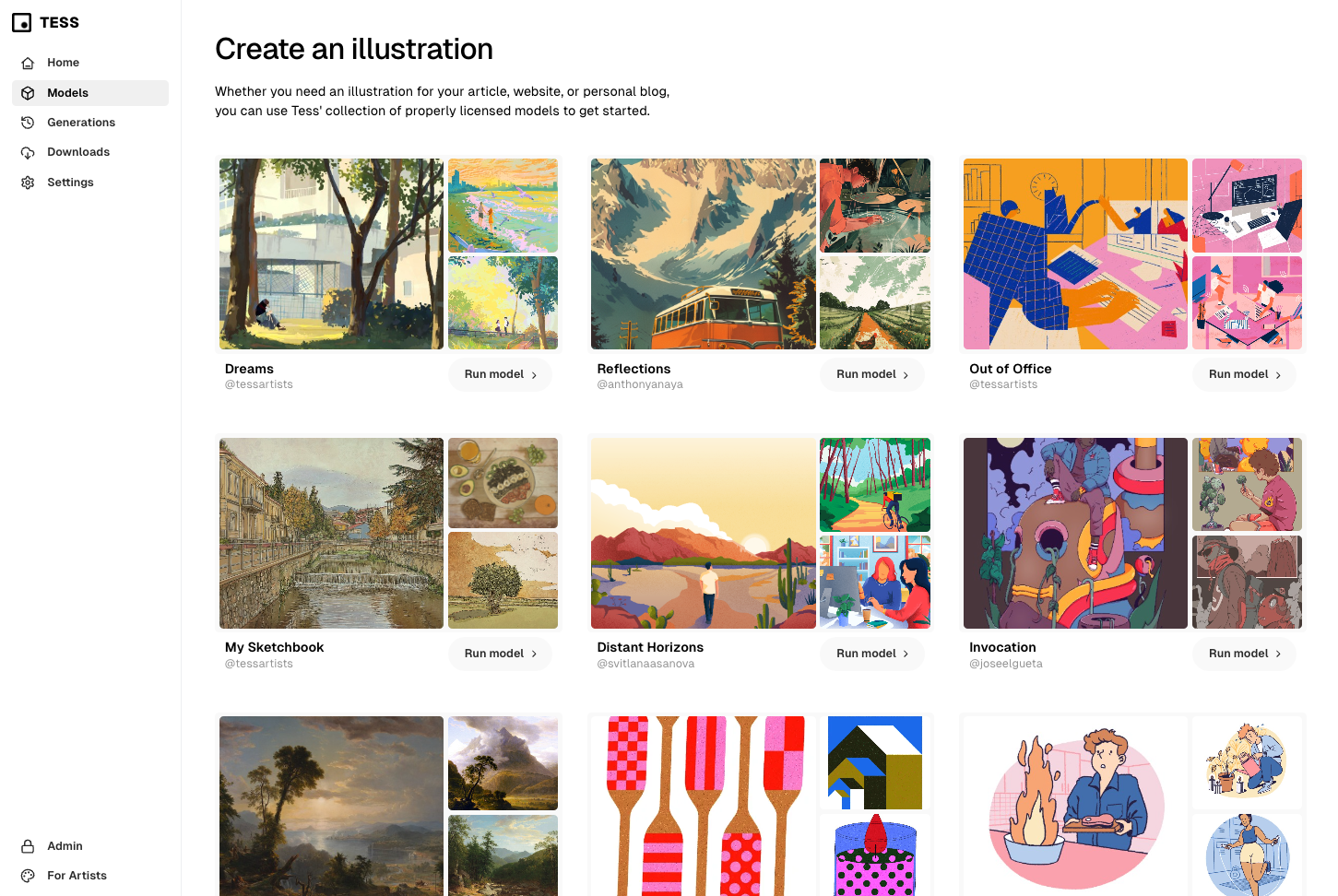
To boost the marketplace, we offered 25 founding artists upfront royalties of $300-$4,000 based on the quality of their portfolio and audience reach. In addition to revenue, we chose artists based on these value propositions:
- Passive income from royalties per generation
- A dashboard showing how their models were being used
- A free Tess subscription to brainstorm and use your own models to scale repetitive work (about 1 in 4 artists took advantage of this)
What 325 cold emails sent to artists taught us
In building Tess, we learned a lot from Spotify’s growth path, which took two years to develop its partnerships with record labels. However, unlike the music industry, illustration and digital art is fragmented. We reached out to 11 illustration agencies to get their artists on Tess. 0 said yes. So we went artist by artist—sourcing contacts from Instagram, LinkedIn, agency websites, and the bylines of the editorial publications we loved.
We reached 325 artists in about 6 weeks. There were prominent high-level editorial artists who created illustrations for magazines like The New Yorker, took custom commissions, and maintained a distinctive style for studio work.
The response rate was amazing:
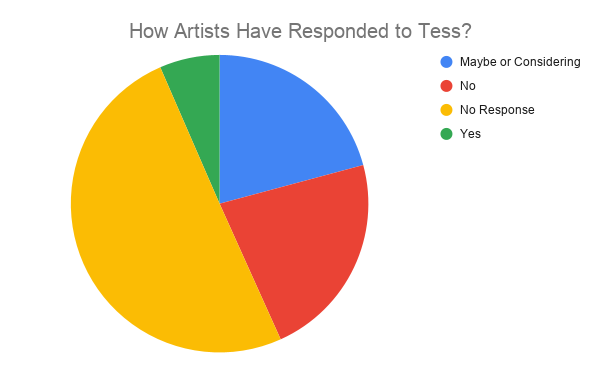
- Nearly 50% of the artists we contacted responded to our cold emails.
- 6.5% of the artists we contacted agreed to join Tess and models were trained for their work
- The 22.4% cast was a hard number.
- 20.8% of artists were probably like this – those who took calls, asked questions, but never committed
- 50.2% artists did not give us any feedback
The objections of the artists who said no were divided into four categories:
1) Ideological opposition to AI: Many artists clearly see AI as exploitative, regardless of revenue model.
“There is no such thing as ethical AI, full stop.”
2) Brand dilution. High-end artists were concerned that enabling anyone to produce in their style would make it cheaper.
“I don’t want it to be used by any cigarette brand”
3) In theory: Some believed that art should be made by hand, regardless of compensation structure.
“As an artist, I hold certain values regarding the creative process, and I personally feel that AI-generated art goes against those principles. Although I acknowledge technological advancements in this field, I prefer to maintain a practical approach to my work”
4) There is a reputational risk associated with generative AI, which the industry generally views as terrible. The artist community was hostile towards AI in 2024. Joining Tess meant risking cancellation. One artist put it bluntly: “I’ve noticed how nervous other artists get when they say they’re interested in AI.” Social punishment was a real deterrent.
The artists who said yes were motivated by a desire for passive income, curiosity about AI, and a practical desire to offload repetitive commission work—wedding placards, gift tags, wine labels—so they could focus on more meaningful projects.
One participating artist wrote, “I have always been passionate about being at the forefront of technology and embracing the innovations it has to offer.” “I see AI as increasingly essential in every aspect of our lives, and joining Tess feels like the ideal way to integrate AI into my profession.
Number
Tess ran for 20 months and generated $12,172.33 in gross revenue. We paid $18,000 in advanced royalties to artists and spent about $100/month on infrastructure (initially subsidized by Azure credits). So, Tess suffered a net loss: about $7,000 in direct costs – not counting engineering, design, marketing and product time invested.
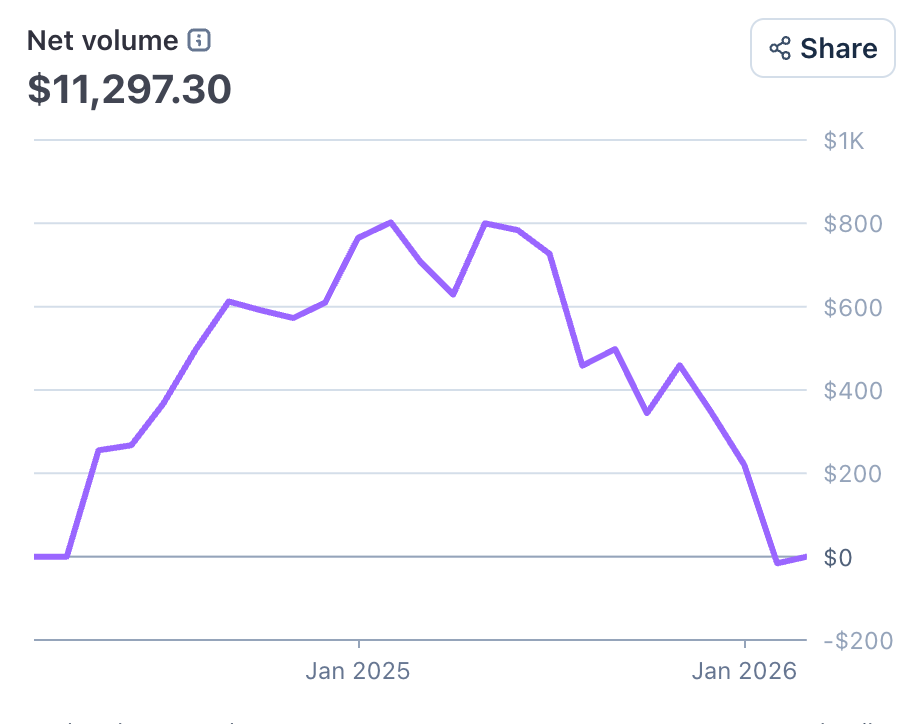
No artist earned enough from usage to receive additional royalties over and above his advance. The economics of the previous generation never reached meaningful scale.
We came close to an enterprise agreement. A major US media outlet evaluated TESS as a compliance alternative to banning AI generation altogether. Ultimately, however, his legal team blocked the CTO from moving forward with Tess because unresolved court cases around AI copyrights made it too risky to touch any AI licensing product.
Ultimately, we also lost some trust in our team, which always happens when you invest in a product that doesn’t work. An engineer who left Kapwing in the fall of 2025 said that short-term Tess investments contributed to burnout.
why did we close it
Three factors converged to cause us to close Tess:
- The legal argument was not proven. despite us legal reasoning Regarding copyright protection, ongoing litigation kept the question open. Organizations like Forbes and SF Standard, which had shown interest in our model, could not afford to bet on an unresolved legal argument. Without regulatory clarity, Tess could not compete with models like NanoBanana, Dell and MidJourney.
- The time was not right. We depended on the artists to help promote the platform, and they didn’t do that. When we launched, creative block The story was covered, but the Twitter reaction was largely negative. The cultural moment of 2024 was a moment of deep distrust of AI among the creative community.
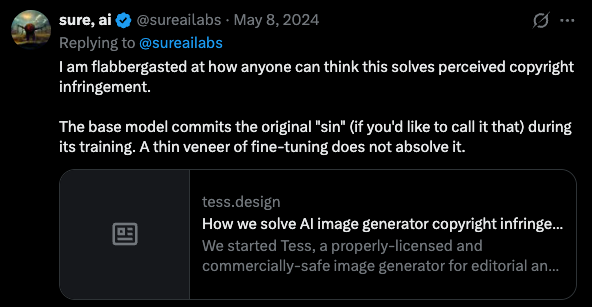
- we needed to concentrate cupwing. Unfortunately, given our current resources, we can no longer run Tess permanently, especially since our startup credits have now expired. We’ve moved the most useful Tess functionality into Kapwing’s AI Assistant, enabling artists to setup private custom case With reference images to emulate your style. With focused resources, TESS can grow. But this could not happen due to distraction.
What this means for entrepreneurs building AI licensing models
The underlying model – paying royalties to human creators to license their style, voice, likeness, or training data to improve AI – hasn’t ended. it’s early. Here’s what I would say to founders exploring this space:
- Creator adoption is a two-sided market problem, and supply is tighter than it looks. Unlike music or stock photography, illustration has no major arbiter. You must hire one artist at a time. The factor is that a meaningful portion of your target creators will refuse on principle, regardless of compensation.
- Brand dilution is a real product problem. Creators with valuable styles need meaningful control over how those styles are deployed and appreciated visibility. Create custom moderation railings to make your product stand out.
- Time matters. We launched Tess at a cultural moment of maximum hostility toward AI among artists. He is changing. As the legal framework strengthens and manufacturer attitudes change, the same business model will face less friction.
- Focus on one thing at a time to move faster. We chose to explore a pivot without realizing the investment it required. And the result was that we slowed down the Kapwing. Although we have recovered from the launch of Cupwing AI, I regret that we did not put all our eggs in one basket.
closing thoughts
I’m proud of Tess and what we created. We’ve really tried to move the industry toward a more equitable AI licensing model, where human creators get a cut of the value they generate, and where it’s easier for brands/publishers to define the output they want. Had Tess succeeded, it would have created a more beautiful world with art more accessible to all.
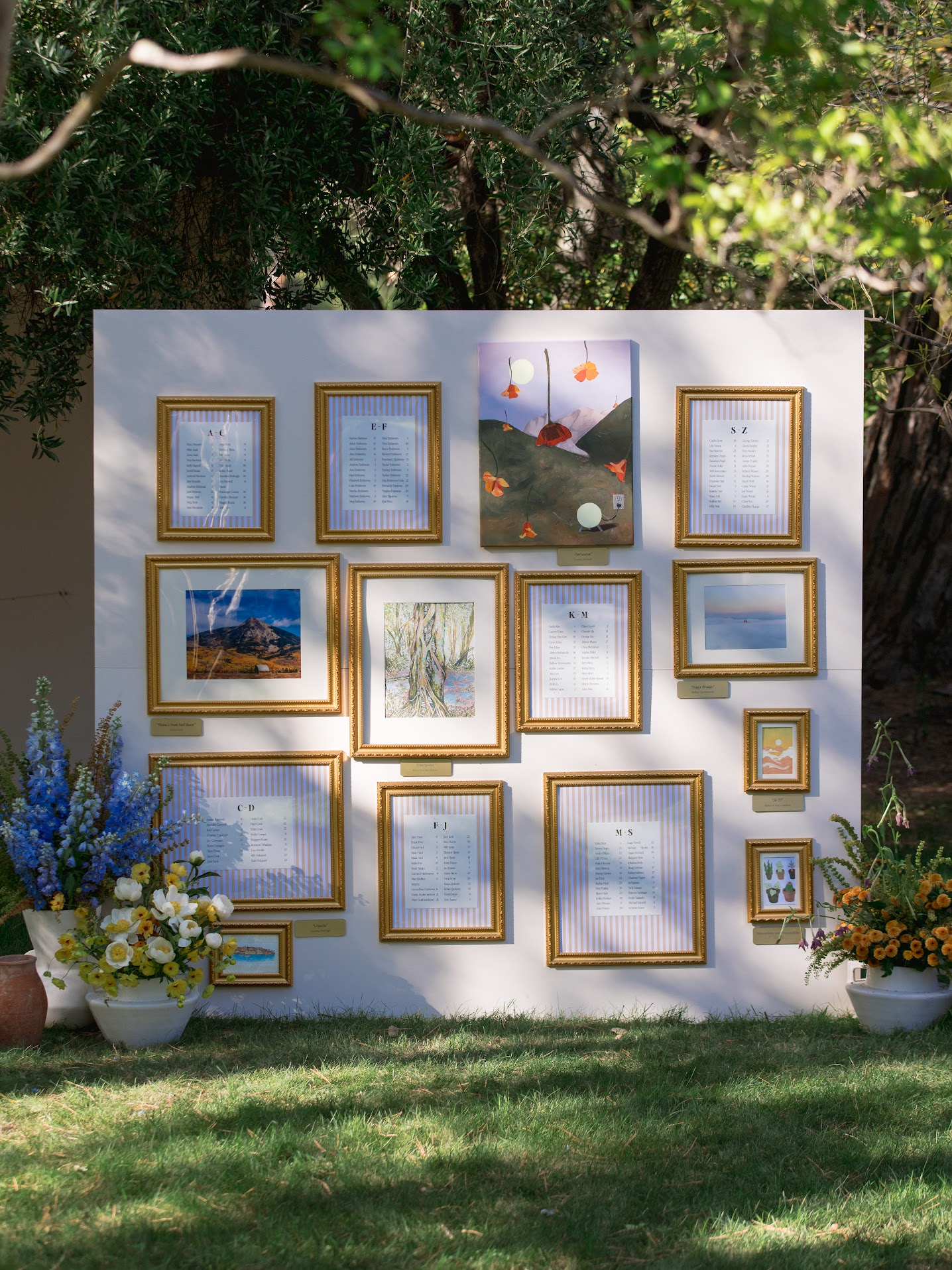
When I got married in 2025, I used Tess to create all the artwork: textures for the invitations, table placards, and table charts. We also feature artwork created by our artist friends Bafoor Kirematen, gloria fordAnd abby kelly. Tess will always remind me of my wedding day and the beautiful coexistence of AI art and man-made art.
Thank you to each of the 142 customers who bet on Tess and to the artists who trust us with their work. We regret that we couldn’t make it big enough to sustain. I hope some entrepreneur will make another attempt at this in the future.
If you are building at this location, get in touch. I’m happy to share more of what we learned. We are even willing to sell the Tess.Design domain and concept so that this idea can survive.
<a href