“I am hopeful that the Supreme Court will rule swiftly to provide businesses with the certainty they need,” Shapiro argued in a second post.
As tech companies wait to see how the court rules and how Trump responds to the findings of the Commerce Department’s investigation, uncertainty remains. Ed Brzezita, CTA’s vice president of international trade, told Ars that CTA advises tech companies to keep their receipts and document all tariff payments.
How might chip tariffs raise prices?
Without specifying what was wrong, a White House official denied a Reuters report that Trump might change the timeline for announcing semiconductor tariffs, saying simply, “That is not true.”
A Commerce Department official said there were “no changes” to the report, stressing that “the Administration remains committed to reinvigorating manufacturing that is critical to our national and economic security.”
But neither official shared any details about when the tariffs might be finalized, Reuters reported. And the Commerce Department did not respond to Ars’ request for information on when the public can expect a review of its investigation’s findings.
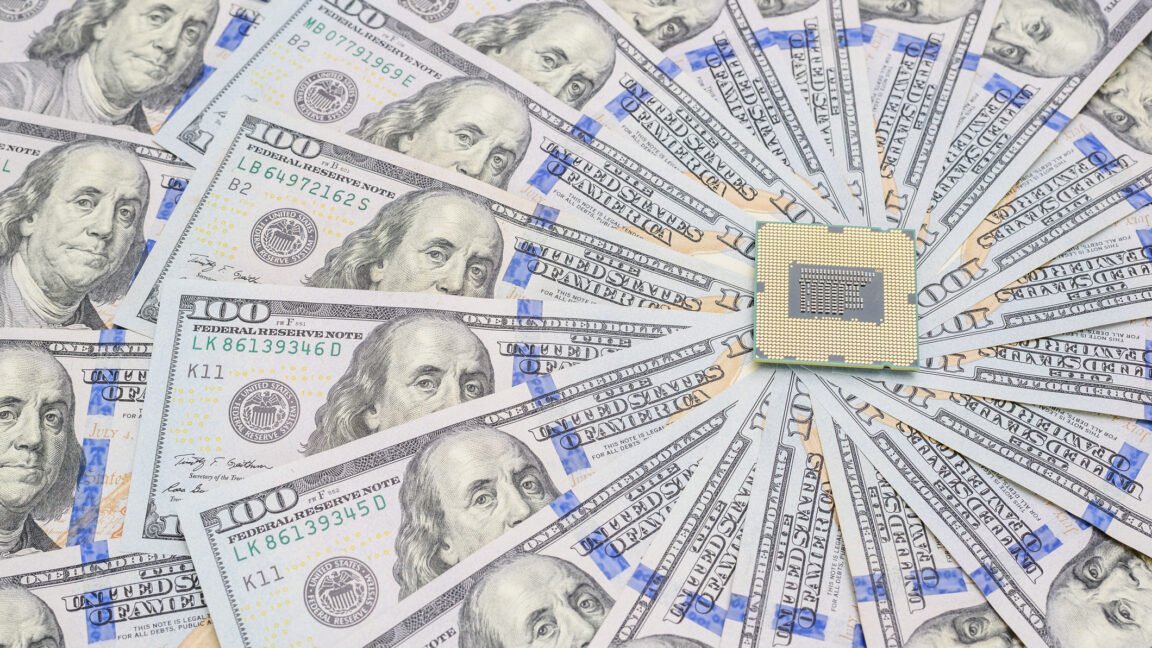
In comments submitted to the Commerce Department, the Semiconductor Industry Association warned that “for every dollar the semiconductor chip price increases, products with embedded semiconductors will have to increase their selling price by $3 to maintain their previous margins.” This makes it easy to see how semiconductor tariffs risk significantly increasing prices on any product containing a chip depending on how high the tariff rate is, which includes products like refrigerators, cars, video game consoles, coffee makers, smartphones, and the list goes on.
It has been estimated that the chip tariffs could cost the semiconductor industry more than $1 billion. However, the bigger threat to the semiconductor industry will come if higher U.S.-made chip prices make it harder to compete with “companies selling comparable chips at lower prices globally,” the SIA reported. Additionally, “higher input costs from tariffs” may also “force domestic companies to divert funds from R&D,” the group said. In such a situation, the American companies that Trump wants to promote may rapidly lose their edge.