
Add San Diego and Las Vegas to the list of cities getting the Waymo treatment. The company says those cities should see self-driving Waymo vehicles on the road soon as it plans to launch service there in 2026.
Oh, and Detroit’s often snowy roads, too.
Even though Waymo’s cabs (the all-electric Jaguar I-Pace and Zeeker RT) will be in manual mode, with a human driver controlling the car first, the Google spin-off company will soon be ready for autonomous operations in those new locations. Waymo already has driverless operations in San Francisco, Los Angeles and Phoenix, Arizona, and is piloting driving with safety drivers in New York City and Denver, and in partnership with Uber in Atlanta and Austin. Plans for more autonomous taxi rides include Washington, DC and the San Francisco Bay Area.
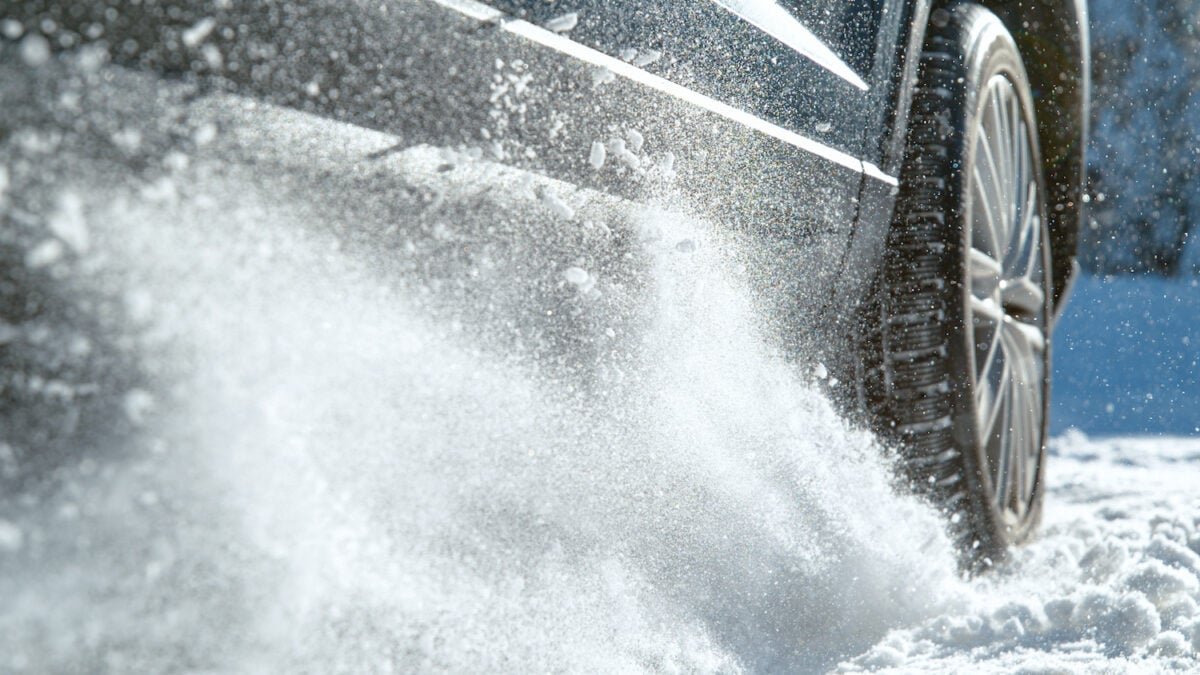
But if the mention of Detroit and Denver seems out of place alongside the sun-drenched streets of Chandler, Arizona and Santa Monica, California, it sure is. If Waymo can accomplish this, it will be some of the first fully autonomous operations where roads are wet, slippery with snow and visibility is terrible and dark for much of the day.
Tesla owners have access to full self-driving mode in all of Tesla’s EVs, and Waymo has been a litmus test for autonomous driving in inclement weather outside winter-free zones (along with Amazon’s Zoox in SF and Las Vegas, and General Motors-owned Cruise that has closed in SF, Phoenix, Miami, Nashville, and several Texas cities). As Reddit forums have been discussing for the past few years, once the weather turns bad, self-driving mode isn’t much help. As one user urged, “…don’t rely on robots to drive in the snow.”
Waymo had anticipated concerns and doubts about driving in a place like Detroit, known for “harsh winters,” and put out a blog post late last month about driving in all types of weather. It claims that its next-generation driver technology is adequately trained to handle snowy conditions.
Waymo says its AI can notice when there’s snow, slush or ice compared to a normal, dry road and adjust its behavior accordingly. “Each vehicle essentially acts as a mobile weather station, collecting data to inform its driving decisions and sharing it with the rest of the city’s fleet,” the post reads.
The need to overcome winter was inevitable. RoboFleet can only drive around the same SF roads, battling occasional splashes and late-night fog. Advanced imaging company Ubicept is creating imaging technologies for more challenging situations. And wondering when companies like Waymo will want to expand beyond the Sun Belt and coastal California. As Ubicept co-founder and CTO Tristan Swedish explained in a recent call, challenging scenarios like winter put vision systems and sensor suites to the test.
In contrast to the ease of summer autonomous driving in “well-behaved environments” like SF and Vegas, he said, “when you go into more adverse weather scenarios there are ways to overcome those challenges using advanced perception systems.”
The Swedes noted the trend of adding more cameras, radar and LiDAR sensors to combat vision limitations in things like night-time fog and snowstorms. But, “the more sensors you have the more likely you are to fail,” he said. “This makes the system less reliable and more expensive.”
Companies like Ubicept want to deploy AI-based solutions: software that can distinguish light from headlights bouncing off the road from fog or snow banks. Humans can’t do this with the naked eye, but with an approach called gated imaging technology, reliable autonomous driving in more places is theoretically possible. “You don’t have to build a new sensor system,” he assured.
But more robotaxis in more places during more times of the year may not be what people want. After a Waymo rammed and killed a neighborhood cat in San Francisco last month, a local supervisor introduced a proposal to give counties more authority over robotaxi activity. In California, companies like Waymo are regulated through the California Public Utilities Commission (CPUC) and the CA DMV, both state-level entities.
So with winter coming, don’t expect autonomous taxis (and the companies that run them) to be ready for it just yet.