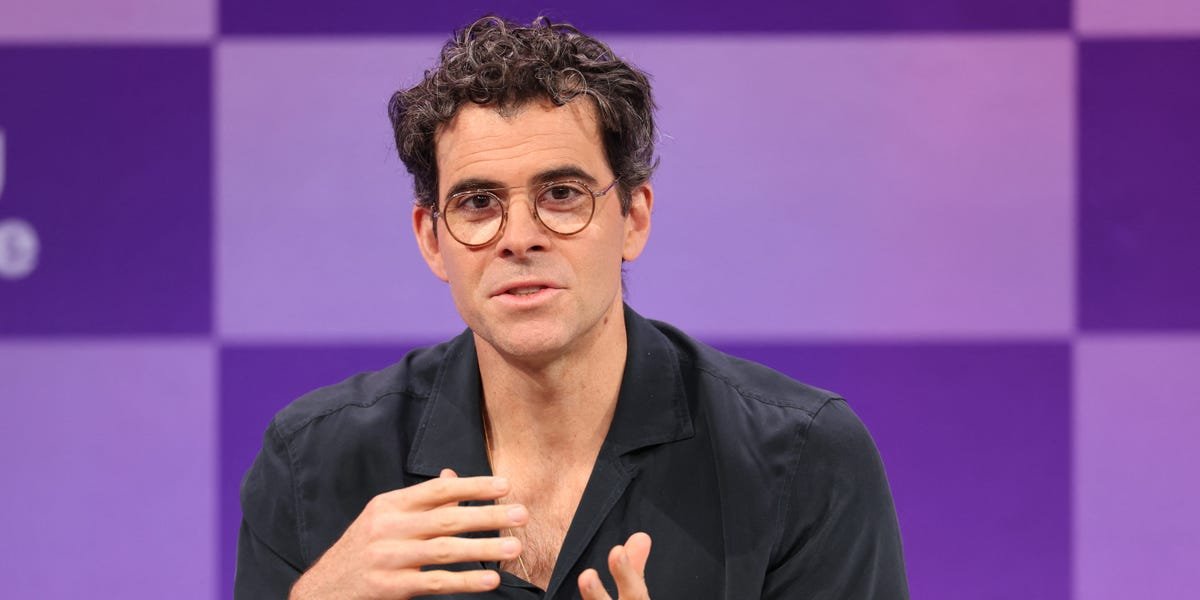
Instagram chief Adam Mosseri is ordering most of his organization’s U.S. employees back in the office five days a week starting Feb. 2, according to an internal memo obtained by Business Insider.
The memo, titled “Building a winning culture in 2026,” said the change applies to employees with fixed desks in U.S. offices and is part of a broader effort to make Instagram “more nimble and creative” as competition intensifies.
“I believe we are more creative and collaborative when we are together in person,” Mosseri wrote. “I had this feeling pre-COVID and I get that feeling every time I walk into our New York office where the personal culture is strong.”
Earlier this year, Amazon asked many corporate employees to return to the office five days a week. Other tech giants like Alphabet, Apple and Microsoft have taken a slightly lenient approach, generally requiring employees to be in the office at least three days a week.
The memo, which was first reported by Alex Heath’s Sources newsletter, also announced several other changes. Recurring meetings will be canceled every six months and will only be added again if “absolutely necessary”. Employees are encouraged to decline meetings that interfere with focus time.
“I want most of your time to be focused on building a great product, not on preparing for meetings,” Mosseri wrote.
The Instagram chief also called for more product prototypes than slide decks.
Mosseri wrote, “Prototypes allow us to establish proof of concept and get a real understanding of social dynamics, and we use them very rarely.”
“2026 is going to be tough, as was 2025, but I’m excited about our momentum and our plans for next year,” Mosseri wrote. “These changes are going to help us meaningfully move Instagram forward in a way we can all be proud of — with creativity, boldness, and craft.”
Meta declined to comment.
Read the full memo below:
Building a winning culture in 2026
We’ve made good progress this year on Instagram for creativity and Threads for perspective, but we still need to do more if we want to lead in both of these areas. A big part of that will come down to strategy, and I feel good about what we have planned for the next half. It is equally important how well we work. I’ve been thinking a lot about how we can be more agile and creative to remain competitive. It is clear that we have to evolve, so we are going to make a series of changes over the next year:
1. Back to the office: I believe we are more creative and collaborative when we are together in person. I felt it pre-COVID and I feel it every time I walk into our New York office where the personal culture is strong.
Starting February 2, I am asking everyone in my rollup with assigned desks in the US office to return full time (five days a week). Special Features:
- You will still have the flexibility to work from home if you need to, as I understand there will be times when you won’t be able to come to the office. I trust all of you to use your best judgment in adjusting to this schedule.
- In the NY office, we will not expect you to come back full time until we overcome space constraints. We will share more once we have a better understanding of the timeline.
- At MPK, we will be moving from MPK21 to MPK22 on January 26th so everyone has an assigned desk. We are also offering the option to transfer from MPK to the SF office for those whose commute will be the same or better with that change. We will reach out to those people directly with more information.
- XFN participants will continue to follow their own organization criteria.
- There are no changes for employees who are currently remote.
2. Less Meetings: We all spend too much time in meetings that aren’t effective, and it’s slowing us down. Every six months, we will cancel all recurring meetings and add back only those that are absolutely necessary. I also support everyone in making recurring 1:1s biweekly by default and declining meetings if they come up during your focus block.
3. More Demos, Less Decks: Most products should be prototypes rather than observation decks. Prototypes allow us to establish proof of concept and get a real understanding of social dynamics, and we use them very rarely. If a strategy document is appropriate, it should be a maximum of three pages and follow this template. If a deck is necessary, it should be as stiff as possible. For all reviews, be clear in advance what the goal of the meeting is and what the key points you need to discuss are. I want most of your time to be focused on building great products, not preparing for meetings.
4. Faster Decision Making: We are going to have a more formal unblocking process with DRI, and I will be attending the priorities progress unblocking meeting every week. (On weeks where I am not able to participate, I will delegate decision-making to one of my directors.) Open decisions like this do not last more than a few days at most.
At next week’s All Hands, I’ll talk more about these changes, and you’ll hear from people around the team about our priorities for the next year. 2026 is going to be tough, as was 2025, but I’m excited about our momentum and our plans for next year. These changes are going to meaningfully help us move Instagram forward with creativity, boldness, and craft in a way we can all be proud of.
Do you have any tips? Contact Pranab Dixit by email pranavdixit@protonmail.com or on signal 1-408-905-9124Use a personal email address, a non-working WiFi network, and a non-working device; Here’s our guide to sharing information safely,
<a href