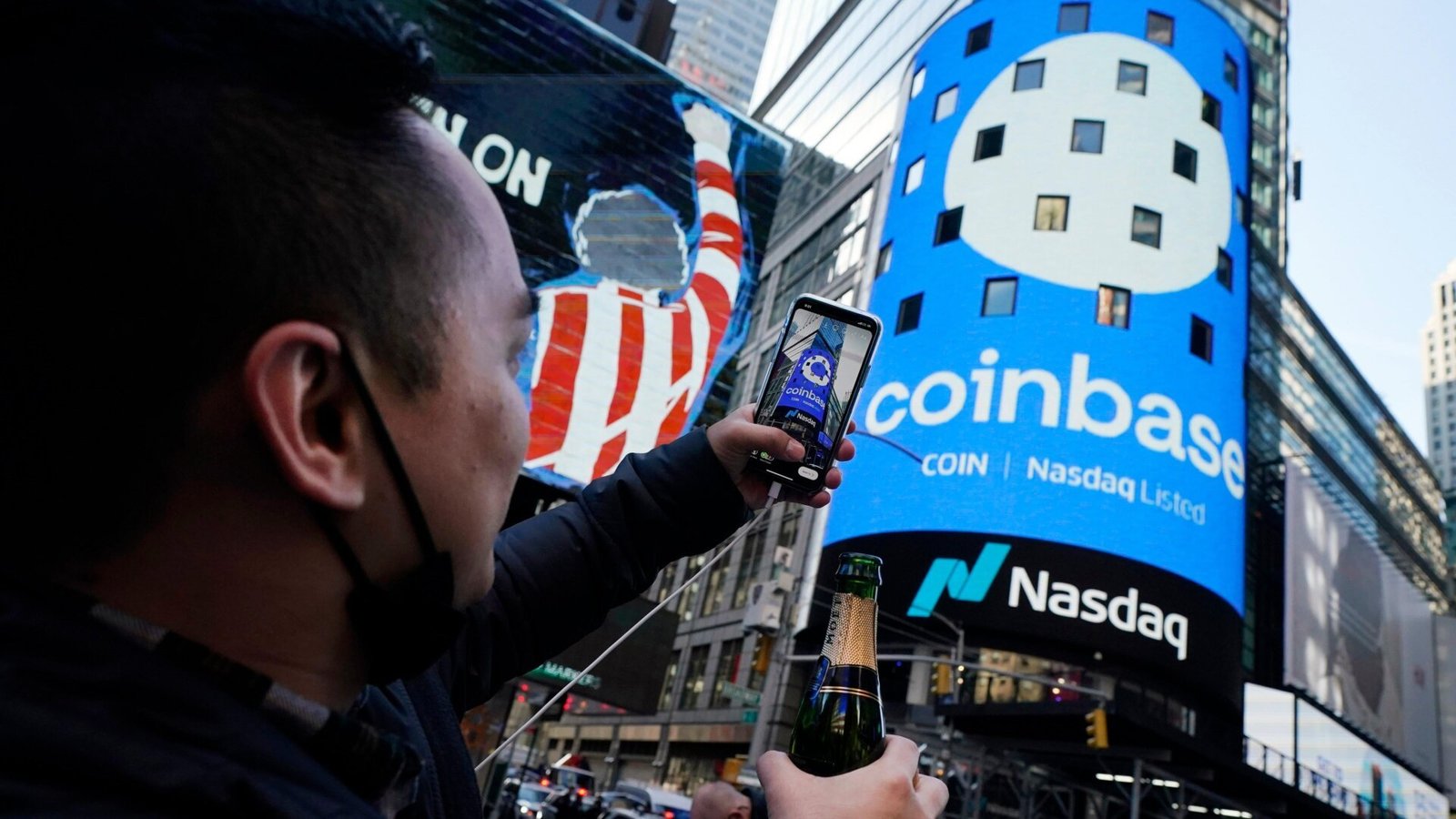

Coinbase has agreed to acquire Vector, a Solana-based trading platform created by the team behind the Tensor NFT marketplace. The deal aims to improve Coinbase’s integration with Solana, and the exchange described Vector as a platform that “provides traders with access to one of the most active, high-velocity trading ecosystems in crypto.”
At the core of both controversies surrounding this latest acquisition announcement from Coinbase is the TNSR token, which is linked to the team behind Vector.
For one, observers see clear insider trading around the announcement, with suspicious buying in TNSR just before the news broke. The price of TNSR rose from around $0.04 to more than $0.30 in the days before the deal was announced. And this was at a time when the crypto market was generally performing poorly, with Bitcoin falling below $90,000.
Additionally, Coinbase retained Vector Technology and the team behind it but left TNSR token holders out of the deal. Whether practical or not, TNSR holders assumed they would profit from this type of acquisition, according to Messari Research analyst Sam Raskin.
@defisolar Thanks, we are aware of this and are investigating + will take any necessary action based on our findings
– Aklil (@_aklil0) 21 November 2025
Coinbase isn’t pretending it didn’t notice the price change. The exchange is scrutinizing the trading and price movement that preceded the announcement, an investigation that exorcizes the ghosts from its insider trading scandal, where an employee was slapped with federal charges for leaking token listing plans to his brother.
“We are aware of this and are investigating + will take any necessary actions based on our findings,” Akil Ibsa, head of corporate development, wrote on X.
Coinbase’s agreement to acquire Vector raises existential questions for crypto market participants about what they are actually purchasing when purchasing these types of tokens. There are many examples where crypto projects have both a token and a formal company with which shareholders are associated, and legal ambiguity about what crypto tokens actually represent can leave those holding crypto instead of equity in the cold.
“TNSR token holders were stripped of their best asset and got ~$0 in return,” said Omar Kanji, Dragonfly partner. “If this continues, people will stop buying tokens.”
The lack of true connection between crypto tokens and their associated projects and development teams has been an area of contention since the early days of crypto, and the lack of ownership over any real thing has led some to wonder whether the more technologically innovative aspects of crypto aren’t too different from the oft-mocked memecoins.
It has become harder for Coinbase to sell their new ICO platform after they set a precedent of being harsher on tokenholders on CB’s own acquisitions
As an active buyer of ICOs since RN launched, I get more questions about DDing ICO tokens than other platforms that run their own https://t.co/1t4owXOmpg
– Jon Charbonneau 🇺🇸 (@jon_charb) 21 November 2025
Notably, this controversy unfolded at the same time as Coinbase was holding the first token offering tied to its new Launchpad, which it says aims to avoid many of the issues and outright fraud associated with the previous ICO bubble of 2017. For many, the Vector deal does not bode well for Coinbase’s reputation as an appropriate platform for such token launches.
“It’s going to be difficult for Coinbase to sell their new ICO platform when they’ve set the precedent of token holders being strong on their own acquisition of Coinbase,” John Charbonneau, co-founder of crypto investment firm DBA, posted on Twitter.
Additionally, Coinbase is also potentially considering launching its own crypto token for its Base network, which operates as a layer-two Ethereum network protocol, even though the platform is functioning well without a token today.
Would it be rude to ask why most of you were buying project tokens in the first place?
Funny how crypto has waged war on securities laws and is now about to learn most of them to stop defrauding investors… https://t.co/jx1wgVRCTG
– Austin Campbell (@CampbellJAustin) 21 November 2025
Of course, if people are willing to buy these assets without much clarity in terms of what is actually being purchased or whether there is any real use case, how much blame can be placed on the token creators?
“What’s interesting is that crypto has waged war on securities laws and is now going to have to learn to circumvent most of them to prevent investors from being defrauded,” said NYU professor Austin Campbell.
<a href