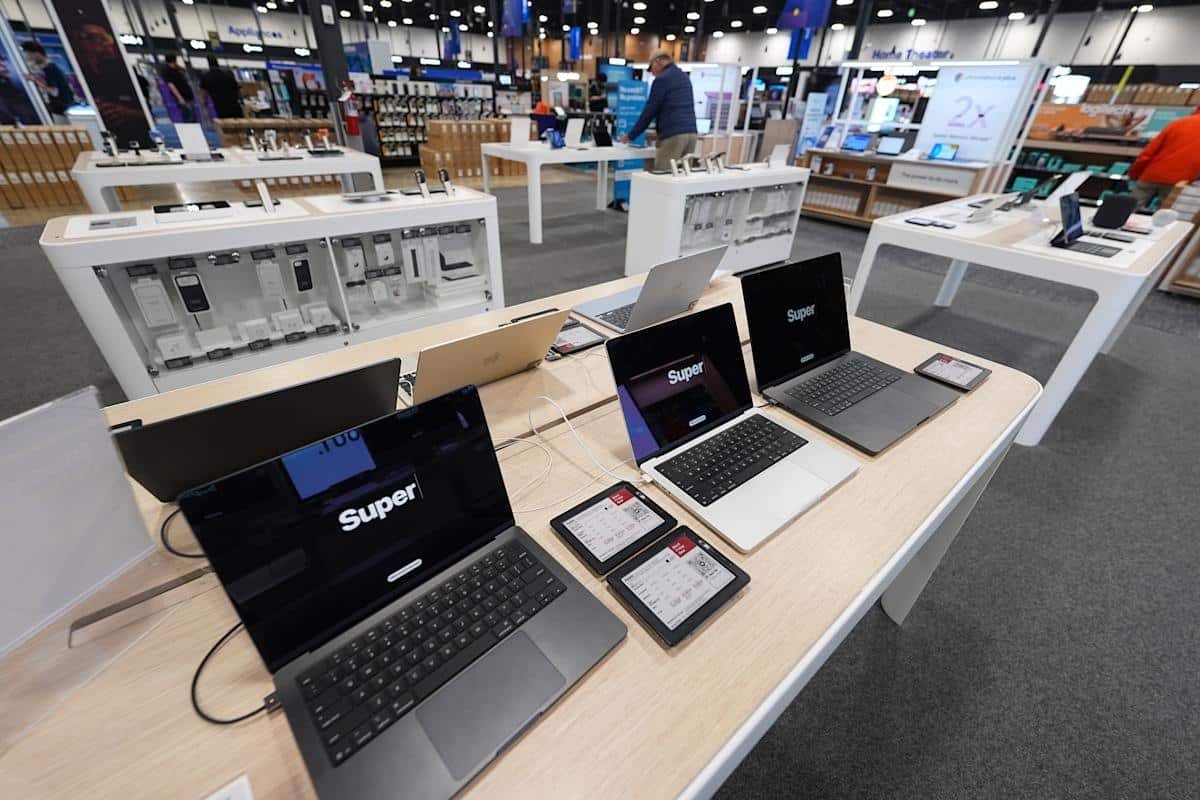
The demands on PC component makers to build out AI infrastructure have already led to the death of one consumer-facing RAM brand, but a new report from the International Data Corporation (IDC) suggests it could have an even worse impact on the PC industry at large. In its worst-case model, IDC estimates that PC shipments could decline by 8.9 percent in 2026 due to higher memory costs.
“Instead of expanding traditional DRAM and NAND used in smartphones, PCs and other consumer electronics, major memory makers have shifted production toward memory used in AI data centers, such as high-bandwidth (HBM) and high-capacity DDR5,” IDC writes. This has caused the price of RAM available to PC manufacturers to continue rising, which has naturally caused them to increase the price of their products to stay above water. For example, modular PC maker Framework has already had to raise prices on some of its laptops and parts, and says “further increases in costs and prices are likely in the coming months.” IDC says that if its most pessimistic scenario comes true, prices could rise by 6 to 8 percent in 2026.
The timing of this RAM crisis is particularly ironic because selling “AI PCs” — computers with neural processing units that can run AI models locally — was supposed to be one of the things that pulled the PC industry out of its post-pandemic recession. Instead, the larger RAM requirements of those computers make them more vulnerable to the effects of the AI industry. Computers are not the only electronics that have been affected. IDC says that in the most pessimistic scenario the average selling price of smartphones could increase by 6 to 8 percent, and smartphone shipments could decline by 5.2 percent.
According to IDC, companies like Apple and Samsung, with extra cash and long-term supply agreements, can withstand these higher RAM prices and keep things stable for a year or two. However, for everyone else, the near term is looking a lot more expensive, and by necessity, a lot less adventurous.
<a href