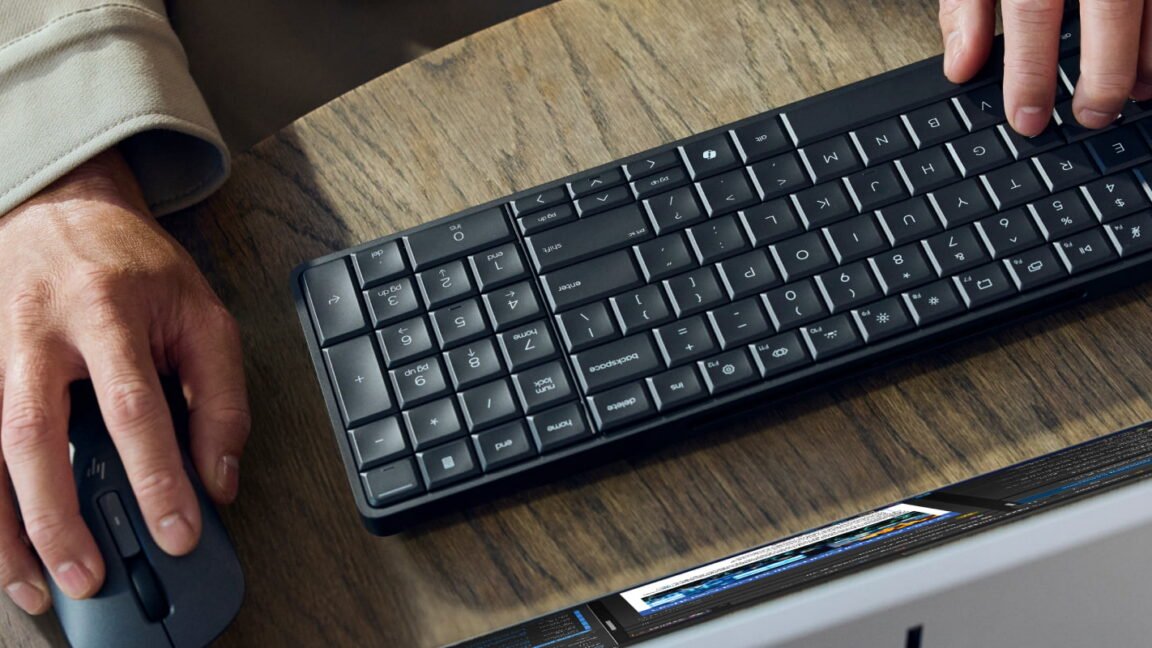
As a Windows system with a functioning membrane keyboard built inside, the HP EliteBoard G1a announced today is a more accessible alternative to other keyboard-only PCs.
The Commodore 64 made keyboard-PCs famous in the 1980s, but the keyboard-PC space has been dominated by the Raspberry Pi. In 2019, the single-board computer (SBC) manufacturer released the Raspberry Pi 400, which is basically a Raspberry Pi 4 SBC inside a case that also serves as a keyboard for the system. USB, HDMI, and Ethernet ports, as well as a GPIO header and the native Raspberry Pi OS Linux distribution add up to a low-end desktop computer experience that costs just $100. Then there’s the Raspberry Pi 500, with a Pi 5 powered by a quad-core, 64-bit Arm Cortex-A76, and the Pi 500+, which has NVMe SSD instead of microSD storage, and has a low-profile mechanical keyboard built inside (it’s also twice as expensive at $200).
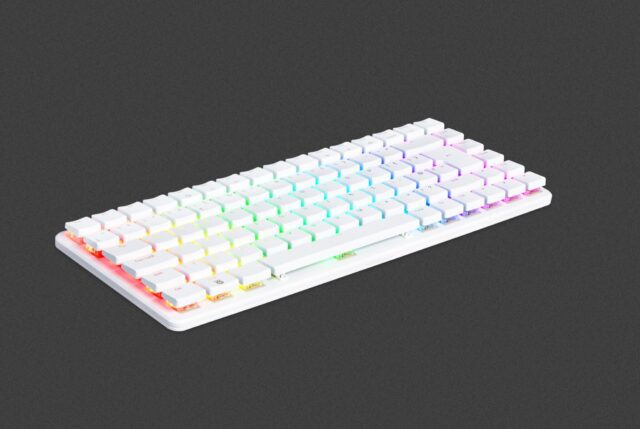
Pi 500+ keyboard-PC using RGB.
Credit: Raspberry Pi
Pi 500+ keyboard-PC using RGB.
Credit: Raspberry Pi
But the Raspberry Pi largely appeals to tinkerers, DIYers, and Linux fans, making the Pi-as-a-desktop a niche product with a substantial learning curve for newcomers.
Alternatively, HP’s EliteBoard will bring Windows and a more powerful x86 architecture to a keyboard-PC form factor. HP says the EliteBoard will support Windows 11 Pro for Business and AMD Ryzen AI 300-series processors with up to 50 TOPs NPU. The device will be sold with a 32-watt internal battery and is part of Microsoft’s CoPilot+ PC program.
<a href