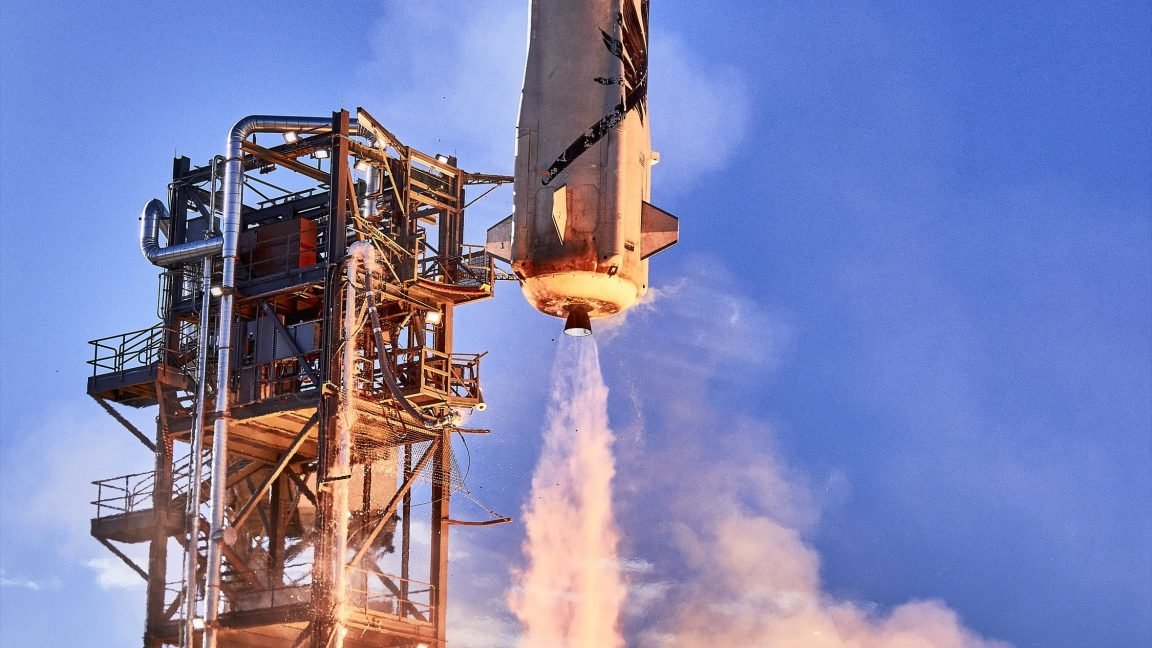
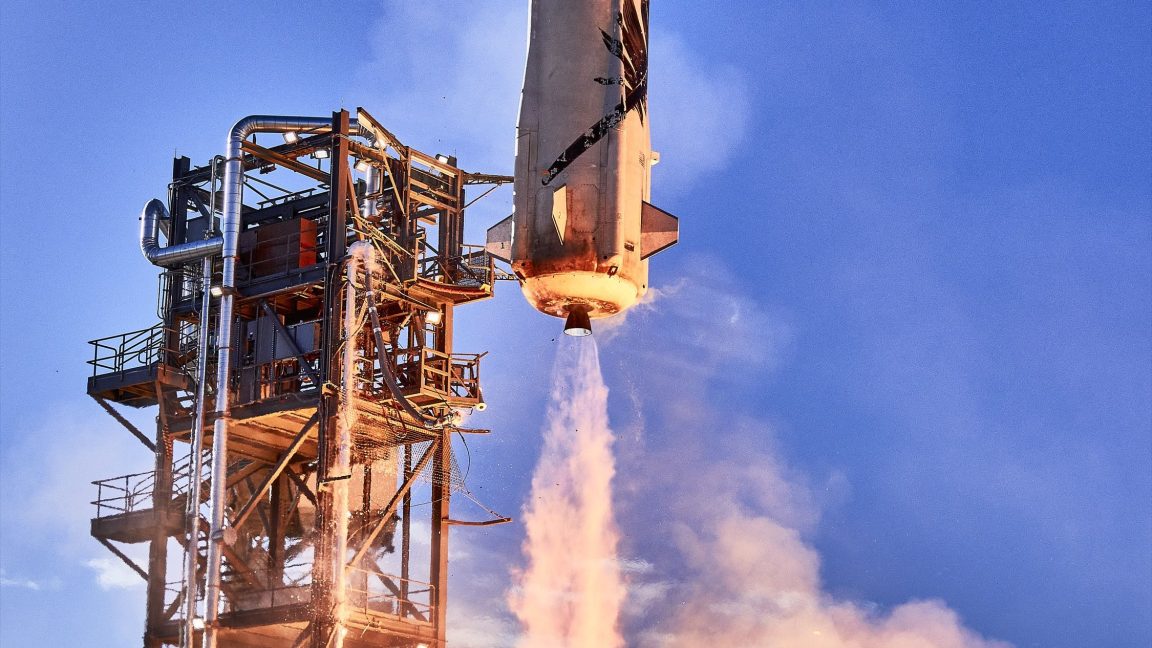
Blue Origin has “paused” its New Shepard program for the next two years, a move that potentially signals the permanent end of the suborbital space tourism initiative.
The small rocket and capsule have been flying since April 2015 and have together performed 38 launches, all but one of which were successful, and 36 landings. Over its existence, the New Shepard program sent 98 people into space, albeit for short periods of time, and launched more than 200 scientific and research payloads into microgravity environments.
So why is Blue Origin, founded by Jeff Bezos more than a quarter-century ago, ending the company’s longest-running program?
“We will redirect our people and resources toward further accelerating our human lunar capabilities, including at New Glenn,” company Chief Executive Dave Limp wrote in an internal email Friday afternoon. “We have an extraordinary opportunity to be part of our nation’s goal of returning to the Moon and establishing a permanent, sustained lunar presence.”
The move was a surprise
The cancellation generally came as a surprise to Blue Origin employees. The company flew its most recent mission eight days ago, sending six people into space. In addition, the company has four new boosters in various stages of development as well as two new capsules under construction. Blue Origin has been selling manned flights for more than a year and based on recent sales the price is still around $1 million per seat. There was talk of expansion of the new spaceport in September.
Nevertheless, questions have always been raised about the feasibility of the program. In November 2023, Ars published an article asking how long Bezos would continue to subsidize the New Shepard program, which was “hemorrhaging” money at the time. Sources indicate the program is close to breaking even, but it is derailing Blue Origin’s efforts.
More than 500 people spend some or all of their time working on New Shepard, but it also draws on other company resources. Although this is a small portion of the company’s overall workforce, it distracts from the company’s long-term ambitions to build settlements in space where millions of people will live, work, and help drive industrial activity into orbit far from Earth.
<a href