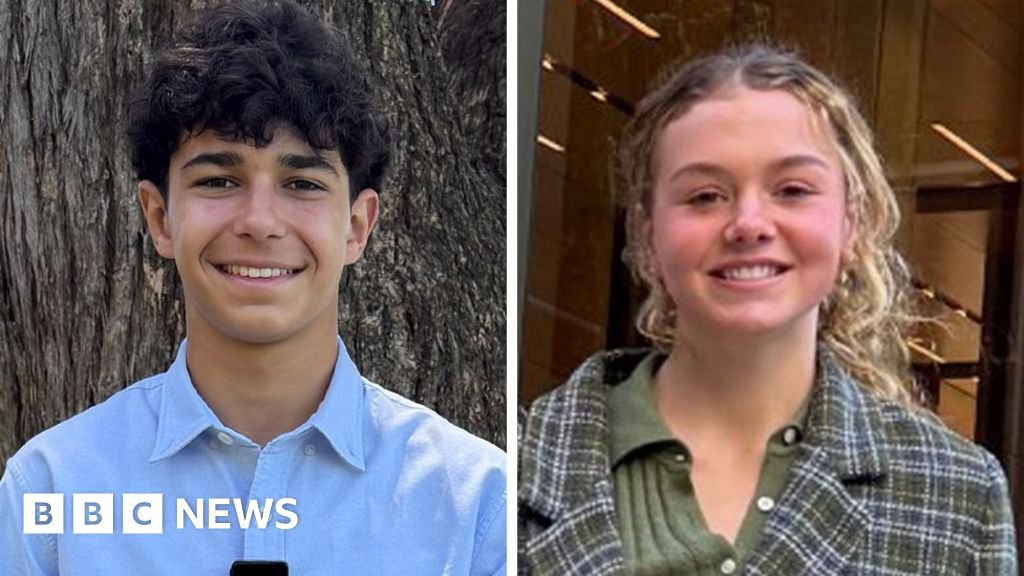
Teenagers challenging the law have said social media companies and the Australian government should use their resources to remove predatory and harmful content from their platforms rather than banning those under 16.
From December 10, social media firms – including Meta, TikTok and YouTube – will have to ensure young Australians cannot have accounts on their platforms.
Campaigners and the government say the law is necessary to protect children from harmful content and the algorithms that can propagate it among users.
But the policy is being challenged in the country’s highest court by two 15-year-old boys, backed by a rights group, who say it denies them the right to free communications.
One of them, Noah Jones, told BBC Radio 4’s Today program that there were bad things online but that did not mean banning under-16s was the right answer.
“We should not use the resources and money of these social media platforms to avoid penalties from our government,” he said.
“They should use this money and resources to get rid of the predators and harmful content that is out there.”
Maisie Newland, who is bringing the challenge with Noah, admitted that she believes there are problems with social media, gaming and screen time in general.
But he told the BBC that they also brought “a lot of good things” such as education, communication and inclusion with society.
Ms Newland said that rather than a blanket ban, what was needed was better education about online harms, enhanced safety measures – such as age verification – and resources about how to use social media appropriately.
The pair argue that the ban will impact their relationships and especially their sources of knowledge about politics.
“Democracy doesn’t start at 16 like this law says it does,” Ms Newland said.
The Digital Freedom Project (DFP), which is led by New South Wales MP John Ruddick, announced that the case has been filed in the High Court on Wednesday.
After news of the legal challenge broke, Communications Minister Anika Wells told the Australian Parliament that the government would not be affected.
“We will not be intimidated by threats. We will not be intimidated by legal challenges. We will not be intimidated by big tech. On behalf of Australian parents, we will stand strong,” he said.
Although opposed by the tech companies who would be charged with enforcing it, the ban is supported by a majority of Australian adults, according to the survey.
However, some mental health advocates say it could cut children off from contact with peers, while others say it could push youth into even less-regulated corners of the Internet.
<a href