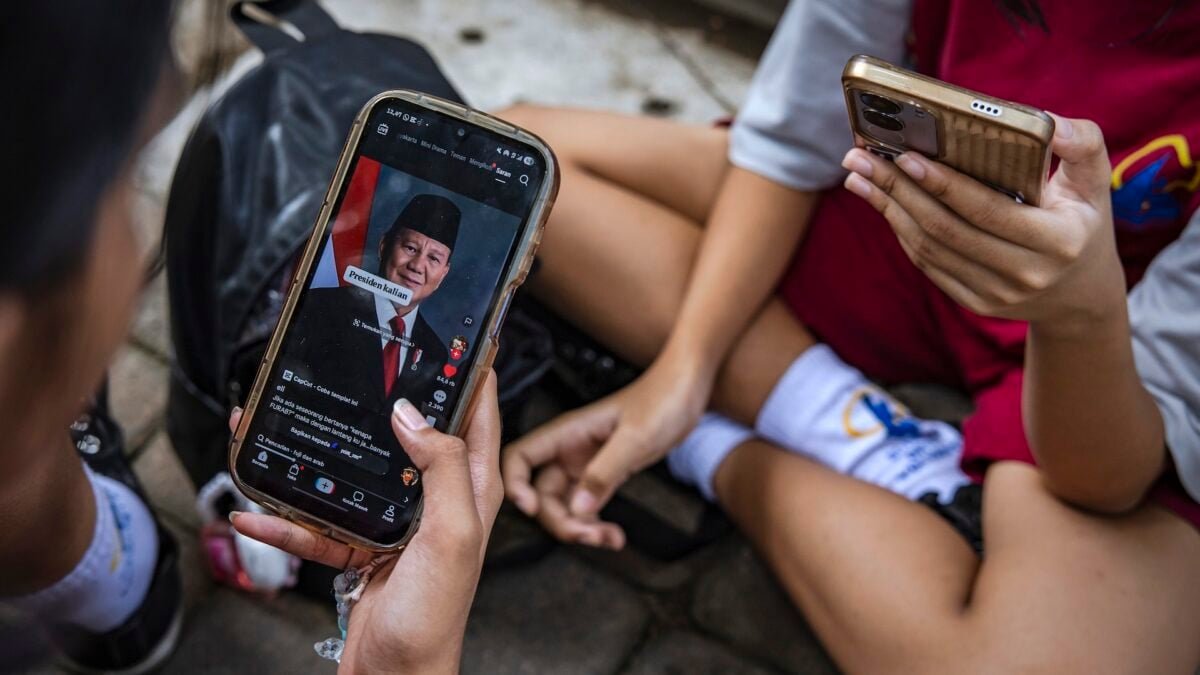
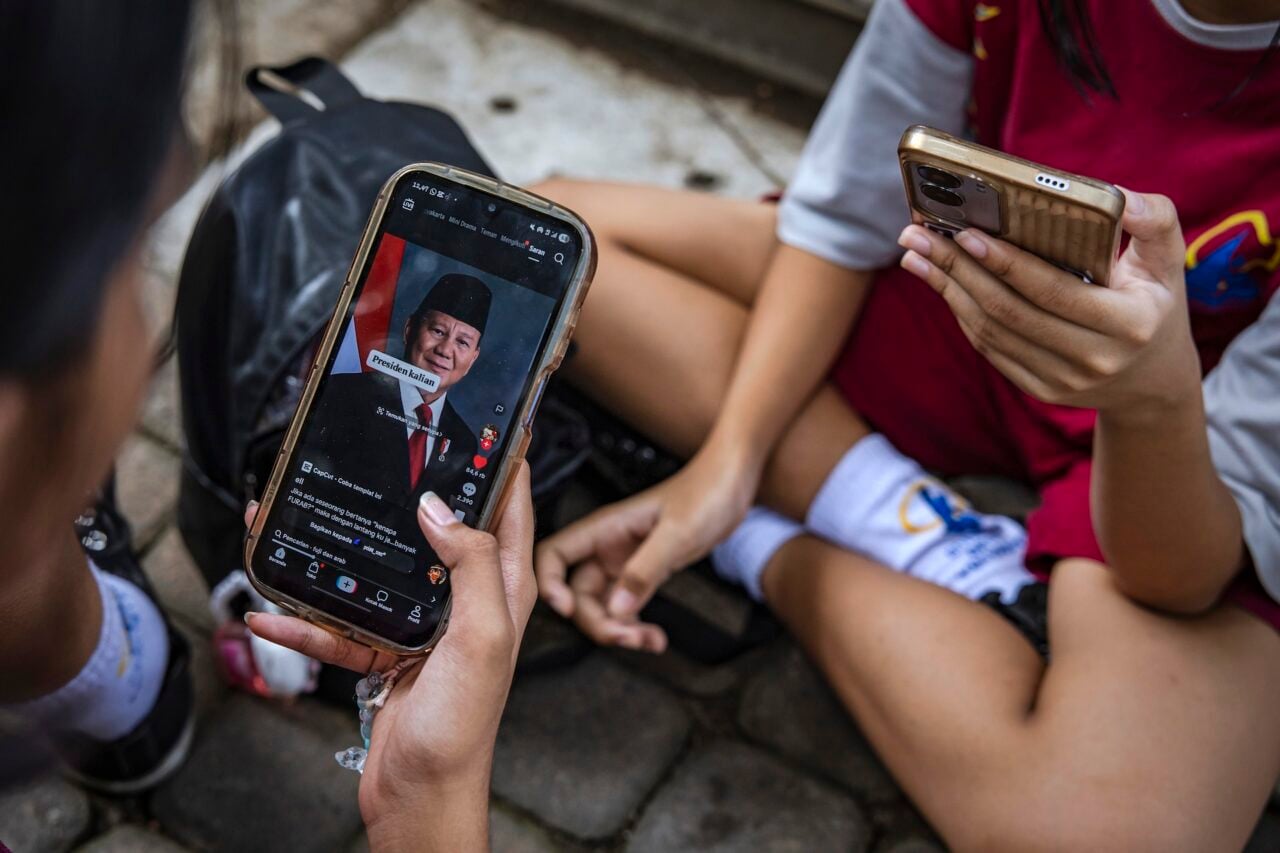
On Saturday, Indonesia began enforcing a sweeping ban on social media for children under 16. According to the Associated Press, the law is apparently intended to prevent youth from experiencing “pornography, cyberbullying, online scams and addiction” online. The AP says the affected platforms are Roblox, YouTube, TikTok, Facebook, Instagram, Threads, X and a video chat platform used in Southeast Asia called Bigo Live.
It would not be an exaggeration to say that this is the most consequential ban of its kind so far.
Indonesia, the world’s fourth most populous country, has an estimated 288 million people – and about 250 million of them are “mobile Internet users,” according to Statistia. If a quarter of the country is under the age of 16 (and this is a conservative estimate because by 2023 almost a quarter of the country was under the age of 14), then this law would directly affect 72 million people – that would be about 0.89% of the global population. Australia, which is famous for being the first country to pass such a ban, has an estimated total population of 27.5 million people of all ages.
Indonesia had already indicated that this ban was going to happen by announcing it earlier this month. As the AP notes, the Indonesian government says it is being implemented in a phased manner rather than implementing it all at once wholesale. However, Indonesian Digital Affairs Minister Meutya Hafid told the AP, “There will be no compromise on compliance, and every business entity operating in Indonesia is required to comply with Indonesian law.”
At a press conference, Hafidh said in Indonesian (translated by Gizmodo with YouTube’s auto-translate feature) that there would be a one-year transition period before failure to comply would be penalized.
Just last month, Indonesia lifted a nationwide ban on XAI’s chatbot Grok, which is linked to Elon Musk’s In January, Hafidh explained the ban this way: “The government views the practice of non-consensual sexual deepfakes as a serious violation of the human rights, dignity and security of citizens in the digital sphere.”
The AP quoted Hafidh yesterday as saying that imposing blanket restrictions “is certainly a task. But we must take steps to protect our children,” adding, “It is not easy. Still, we must get it done.”
<a href