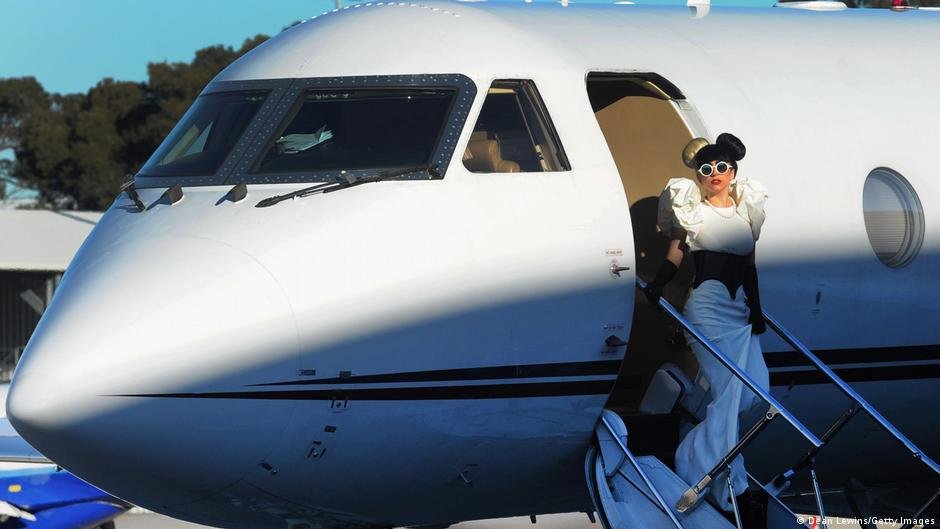
Today, there are more options than ever to take to the skies in a private jet without having to be a head of state, a CEO, or simply own the plane.
Private jet deliveries have increased
Since the decline in travel caused by the COVID-19 pandemic, aircraft manufacturers have continued to improve due to strong customer demand.
According to Denez Thiagarajan, head of the general aviation team at aviation consultancy IBA Insight, there are currently about 23,500 private jets in service globally.
North America accounts for about 60% to 70% of the world’s total business jet fleet, while much of the demand is now coming from the Middle East and Asia-Pacific region, particularly India.
There were 644 business-jet deliveries in 2020. By 2024, this will increase to 764. For this year, Thiagarajan and his team forecast another 820 deliveries, an increase of 7.3% year-over-year. There are waiting lists for some of the most sought-after jets.
JetNet, another aviation analyst, expects about 9,700 new business jets to be delivered globally by 2034.
Who is the typical private jet buyer?
Private jet buyers are typically high net worth individuals, governments, corporations, or charter operators such as NetJets or FlexJets. Thiagarajan told DW that the market remains dominated by wholly owned aircraft, although so-called fractional ownership is on the rise.
From a business model perspective, fractional ownership operators have seen “the strongest expansion in the last five years,” says Daniel Reifer, a Munich-based partner in McKinsey’s travel, logistics and infrastructure practice.
In addition to fractional ownership, subscription or membership programs, which give cardholders access to an operator’s entire fleet for a certain number of flight hours, are also becoming more popular. These branded charter operators usually own and operate their own fleets directly.
Planes owned by individuals or companies are often managed by service providers, who can rent them out to others when not in use, Reiffer, who is also a former commercial airline pilot, told DW.
Who is the typical private jet user?
The profile of the average private jet user has changed – and expanded – since the pandemic. Today, it is no longer just the super rich and corporate executives who are getting involved.
The market now includes “families, entrepreneurs and first-time travelers who are looking for safety, flexibility, reliability and luxury that commercial airlines cannot guarantee during the crisis,” Thiagarajan said.
Aviation experts believe this change has been due to large money transfers, high liquidity and changing priorities after the pandemic. Additionally, the increase in charter and membership options makes access to private jets easier.
Not only are more jets being sold, but they are also flying more. According to Reiffer, flight hours on private jets are up about 115% to 120% from 2019 levels, although usage varies by region and is influenced by things like the availability of commercial airlines and transportation infrastructure.
What exactly is a private jet?
Thiagarajan explains that private jets, also called business or corporate jets, fall into seven different categories based on size and range.
The smallest business jet is a short-range 4-seat, single-pilot aircraft. Then come mid-range jets for 6-10 passengers. Then there are long-haul jets for 10-19 passengers and finally executive aircraft with room for 20 to 50 or more passengers.
At the top rung of the executive airliner ladder are jets for premium long-haul travel. boeing business jet Recently a new full-service program was announced to convert commercial Boeing 747-8s into such executive airliners.
The commercial versions of these Boeings carry about 600 passengers. According to the company, the updated 747-8 VIP will be the largest private jet in the air and will have room for about 75 passengers.
Not everyone is looking for the biggest and the best. But demand for larger jets remains high “particularly in the super-midsize and long-range categories,” Reifer said, “while medium and light jets have declined as a share of the total fleet over the past decade.”
The extremely high cost of owning a jet
Converting their commercial jets into customized private planes is a side business for Boeing and Airbus. Other companies focused on it include US-based Gulfstream, Honda Aircraft and Textron, Canada’s Bombardier, Brazil’s Embraer, France’s Dassault and Switzerland’s Pilatus.
The list price of a brand new private jet can range anywhere from a few million dollars to $75 million (€64.9 million) for a Gulfstream G700 or $78 million for a Bombardier Global 8000 – and that’s before any customization.
The Boeing 747-8 VIP is expected to cost a few hundred million dollars. And that’s just the cost of buying a jet.
In fact, the cost of flying it is even higher. Fixed and operating expenses such as fuel, maintenance, insurance, landing, parking, crew and catering can add up to a few million per year depending on size and use.
time is the new ultimate luxury
Private jets produce more emissions per passenger than commercial aircraft, and climate activists have targeted them because they represent specific excess and unnecessary emissions. But it will take more than protesters to keep most frequent travelers off the road.
For manufacturers, geopolitical uncertainty and tariffs are having some impact on supply chains and their ability to make aircraft, increasing backlogs. Still, a macroeconomic recession appears far off.
Dennis Thiagarajan expects to see continued growth over the next few years due to rising global assets, greater corporate usage and increased reach through charter programs and fractional ownership.
Daniel Reifer agrees but points to regional differences. “The US will remain the largest market overall, while the Middle East, Asia-Pacific and Latin America are projected to grow the fastest,” he said.
“The fractional ownership model has the potential to capture further share, increase usage and make private aviation more accessible and flexible.”
Edited by: Uwe Hessler
<a href