
 getty images
Airbus has warned that flights will be disrupted as it requested urgent modifications to thousands of planes following the discovery that intense radiation from the sun could corrupt data vital to flight controls.
Around 6,000 planes are believed to be affected, almost half of the European aerospace giant’s global fleet, but it is understood most will be able to undergo a simple software update.
The UK aviation regulator said the update was likely to cause “some disruption to flights and cancellations”.
Airbus said the problem was discovered following a recent “incident” involving A320 family aircraft in the US and apologized for the inconvenience caused to passengers.
The incident, which occurred on October 30, involved a JetBlue Airways A320 making an emergency landing in Florida after a sudden drop in altitude. There is news of at least 15 people being injured.
The issue affects the A320 – its best-selling aircraft – but also similar design fleet models including the A318, A319 and A321.
It is understood that on approximately 5,100 Airbus aircraft, the problem can be resolved using a relatively simple software update. However, the remaining aircraft that are older versions will also require new hardware and will have to be taken out of service to be modified.
Airbus said it acknowledged it would cause “operational disruption to passengers and customers” and apologised.
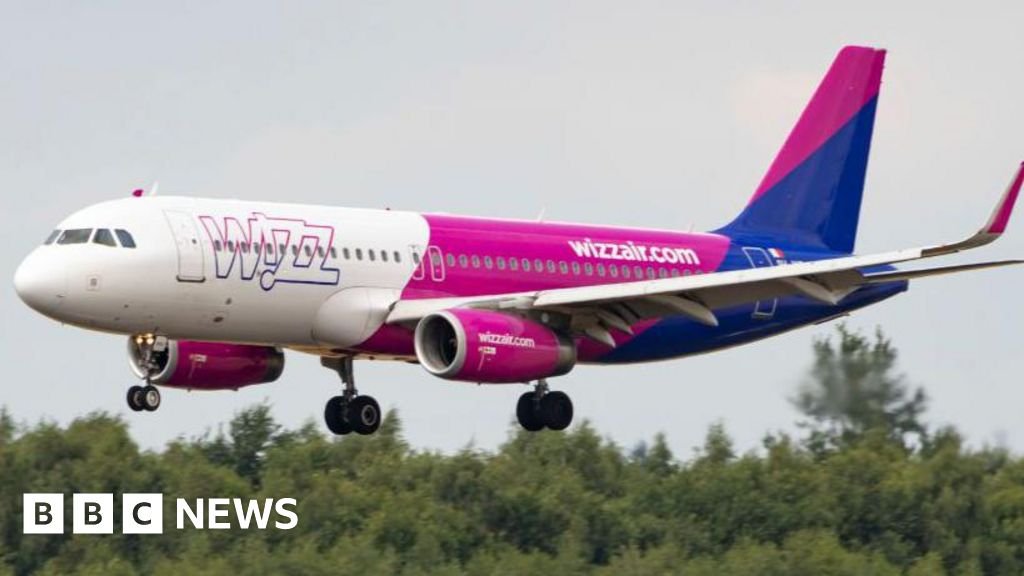
Wizz Air said some of its aircraft were among those requiring updates and it had scheduled necessary maintenance, while Air India said the Airbus directive could cause delays.
It is understood that British Airways will not be significantly affected by the issue. EasyJet said it “expects this to cause little disruption” and will notify passengers directly.
“Safety is our top priority and easyJet operates its aircraft fleet in strict compliance with manufacturers’ guidelines,” the airline said.
The UK aviation regulator, the Civil Aviation Authority (CAA), said “only a few UK airlines are affected”.
“The requirement will mean that airlines flying these aircraft will in some cases have to change the software in the coming days or remain on the ground from Sunday until the software is changed,” the regulator said.
Giancarlo Buono, director of aviation security at the CAA, said: “Passengers should check with their airline to see if their flights have been affected. Airlines have a duty of care to passengers if their flight is delayed.”
A problem affecting aircraft is that intense solar and cosmic radiation at high altitudes can affect the functioning of the ELAC computer, which controls elevators and ailerons. These are aerodynamic surfaces that are used to pitch the aircraft up or down or to roll to turn.
The European Union Aviation Safety Agency (EASA) has issued an emergency airworthiness directive, ordering airlines to replace the ELAC computers on the most affected aircraft before they can carry passengers again.
The A320 family is known as “fly by wire” aircraft. This means that there is no direct mechanical connection between the controls in the cockpit and the parts of the aircraft that actually control flight. The pilot’s actions are interpreted by the computer—which actually “flies” the plane.
Airbus has issued an alert to airlines requesting them to “take immediate precautionary action to implement available software and/or hardware protections and ensure the fleet is safe to fly”.
<a href