
Bird flu is nowhere near gone, and it’s still sickening Americans. Health officials in Washington have confirmed that a resident has contracted a severe form of H5N5 avian influenza — the first known case of its kind.
The Washington State Department of Health announced the case late last week. The victim is an older adult who likely contracted the virus through contact with chickens or wild birds in his backyard. Although the variant has not spread beyond this case, the resident remains hospitalized, according to health officials.
“Public health experts have not identified any increased risk to the public,” the health department said in its latest statement issued over the weekend.
first of its kind
Health officials initially reported the case last Thursday, involving a resident living in Grays Harbor County. The next day, they confirmed the variant as H5N5. Although H5N5 has been found in birds and other animals before, this is the first known report of human illness of this type.
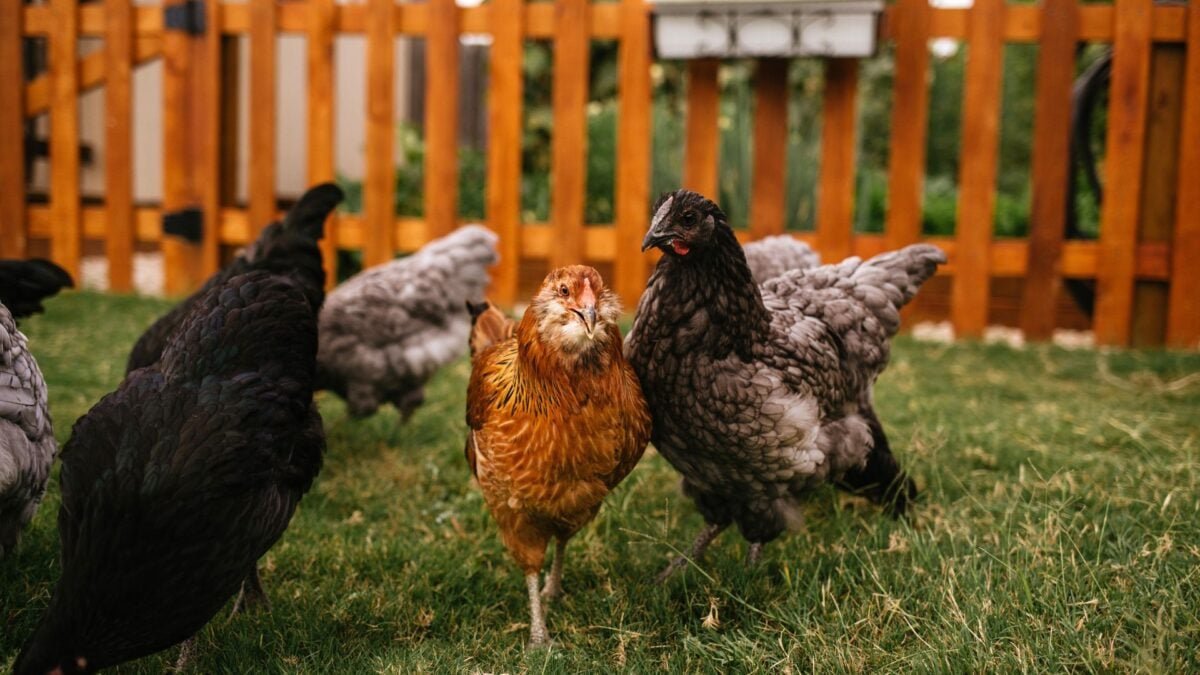
The man suffered a high fever, confusion and trouble breathing and was admitted to hospital in early November. In addition to older age, the person’s history of underlying health conditions may have contributed to the severity of the infection. The individual has a mixed backyard flock of domestic chickens that had previously been exposed to wild birds, which likely served as a source of exposure. But health and wildlife officials are still working to trace the exact chain of transmission.
The threat of bird flu remains
Although this may be the first time that H5N5 has spread to humans, bird flu in general has become a more serious threat in recent years.
In early 2024, health officials announced the discovery of H5N1 cases in cows on several dairy farms in Texas and Kansas. Since then, H5N1 has repeatedly infected dairy cows, other mammals, and sometimes people. At least 71 human cases of H5N1 have been reported in the United States, as well as one death. Just last September, USDA officials reported another outbreak of H5N1 at a dairy farm in Nebraska.
Although the risks posed by other bird flu strains, such as H5N1 or H5N5, are currently lower for the general public, these outbreaks are still highly concerning. The longer these flu viruses are able to circulate in mammals such as dairy cows, the more likely it will be that a strain will spread efficiently between humans. If such a strain could easily transmit from human to human, causing severe disease, it would set the stage for the next major pandemic.
This latest human case of H5N5 may simply be a dead end. But after all, we may not be so lucky.