
Similarly, California’s state-level wildfire agency, CAL FIRE, notes that six of the state’s most destructive wildfires have occurred within the past decade.
Two of these (the Palisades and Eaton fires, both of which occurred in Los Angeles County) burned within the last 18 months. But what is noteworthy is that during the first 12 hours of both blazes, the winds were so strong that no conventional firefighting aircraft could fly, let alone drones.
In recent years, many wildfire agencies have expanded the use of cameras, infrared sensors, and mapping tools.
However, the act of extinguishing a fire – “suppression” in industry parlance, is basically a function of how many humans can quickly starve a fire of oxygen, heat and/or fuel.
The basics behind fighting wildfires haven’t changed that much over the last century, and they rely primarily on manual labor: digging lines, removing fuel, and, to a lesser extent, airborne droplets of water.
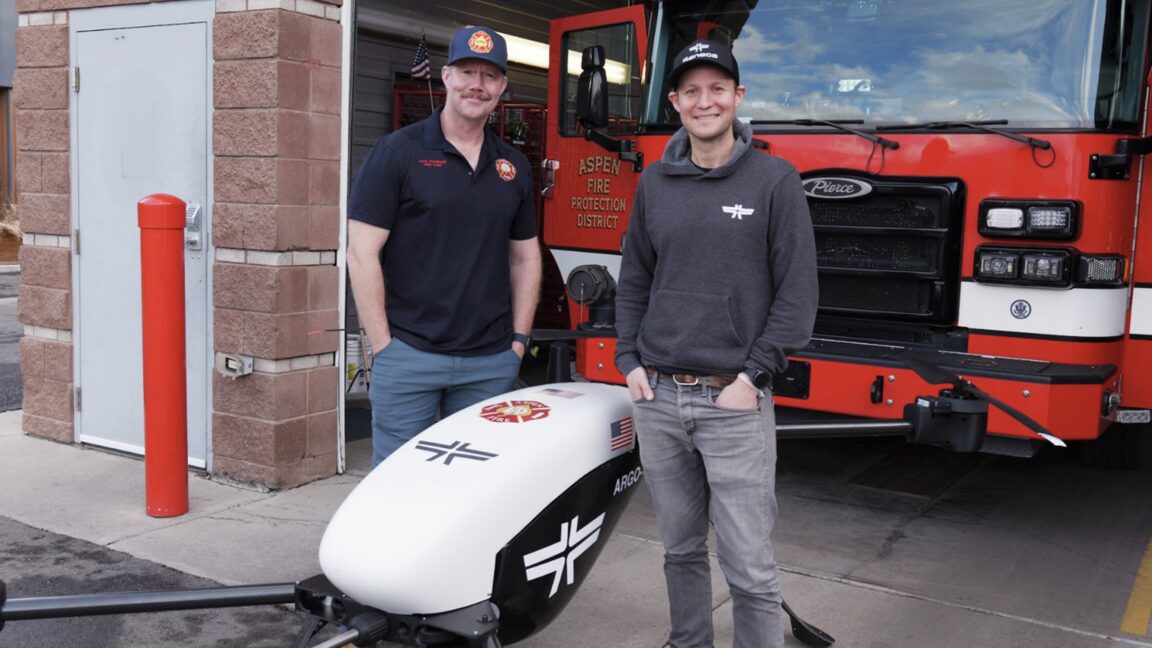
Seneca founder Stuart Landsberg told Ars that their drones are intended to supplement the equipment wildland firefighters already have.
“The goal is: How do we supercharge what our firefighters are able to do?” He said. “We have a group of incredibly talented, incredibly dedicated public servants. We want to give them the best technology in the world.”
Aspen Fire Chief Anderson said that, currently, his agency does not have its own fleet of aerial resources. It can take hours to source conventional aircraft from partner agencies.
“What we’re getting is a trailer with five [drones, and we’ll drive it] We’ll get as close to the event as we can, and we’ll park and set up a small drone base,” he said, noting that if initial tests are successful, he envisions permanent drone bases around the area.
“It would be ideal if we detected a fire and could immediately launch one of these so we could investigate.”
<a href