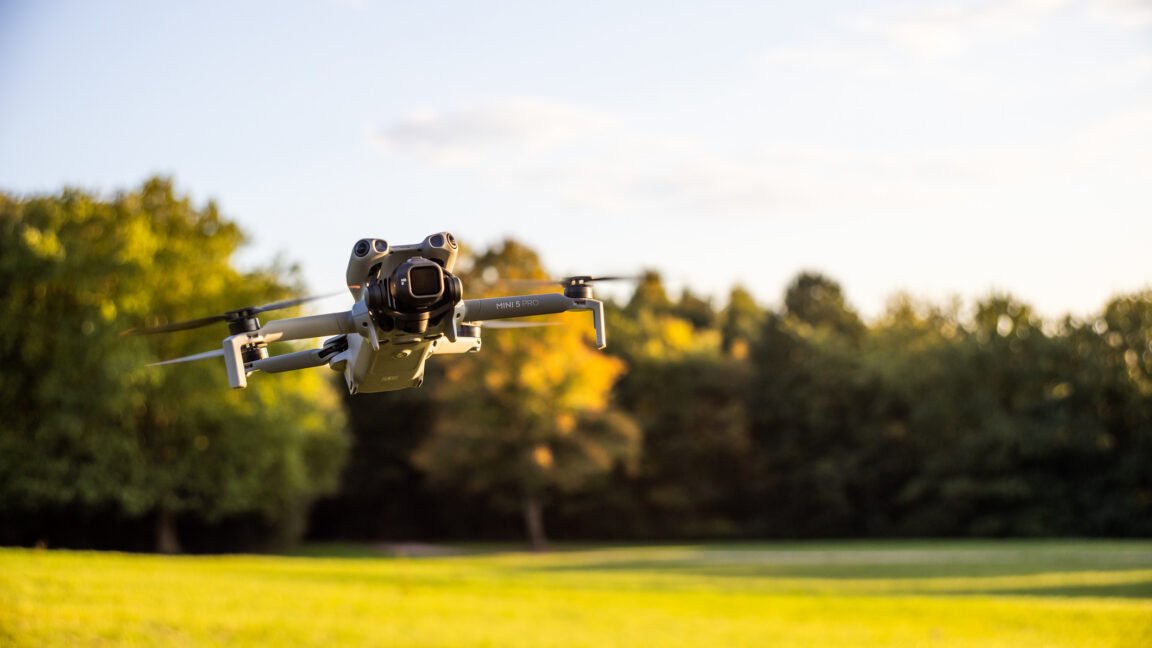
DJI sent multiple requests to the US government to audit its devices in hopes of avoiding the ban, but the federal ban was ultimately imposed based on information it previously obtained, as The New York Times reported this week.
The news means Americans will miss out on new drone models from DJI, which will have 70 percent of the global drone market in 2023, according to Drone Industry Insights, and is widely considered a premium drone maker. People can still buy drones from American companies, but the reputation of American drones is weak compared to drones from other Chinese companies like DJI and Autel. US-made drones also have a reputation for being expensive, usually costing significantly more than their Chinese counterparts. Dakota Bartels, COO of Flyguys, which helps commercial drone pilots find work, told the Times that American drones are also “half-decent.”
There is also concern among hobbyists that the ban will hinder their ability to purchase drone parts, potentially affecting the ability to repair approved drones and DIY projects.
Meanwhile, US-based drone companies are optimistic about winning business in an industry where it has historically been difficult to compete against Chinese brands. It is also possible that the ban would result in a decline in US drone purchases.
In a statement, Michael Robbins, president and CEO of the Association for Uncrewed Vehicle Systems International (AUVSI), which includes US drone companies like Skydio as members, said the ban would “really highlight US drone dominance” and the US cannot “risk dependence” on China for drones.
“By prioritizing reliable technology and flexible supply chains, the FCC’s action will accelerate innovation, enhance system security, and ensure that the U.S. drone industry expands rather than remains under foreign control,” Robbins said.
Apparently, DJI is “disappointed” with the FCC’s decision, saying in a statement released Monday:
Although DJI was not singled out, no information has been released by the executive branch about what information was used in reaching its determination. DJI’s concerns about data security are not based on evidence and instead reflect protectionism, contrary to open market principles.
<a href