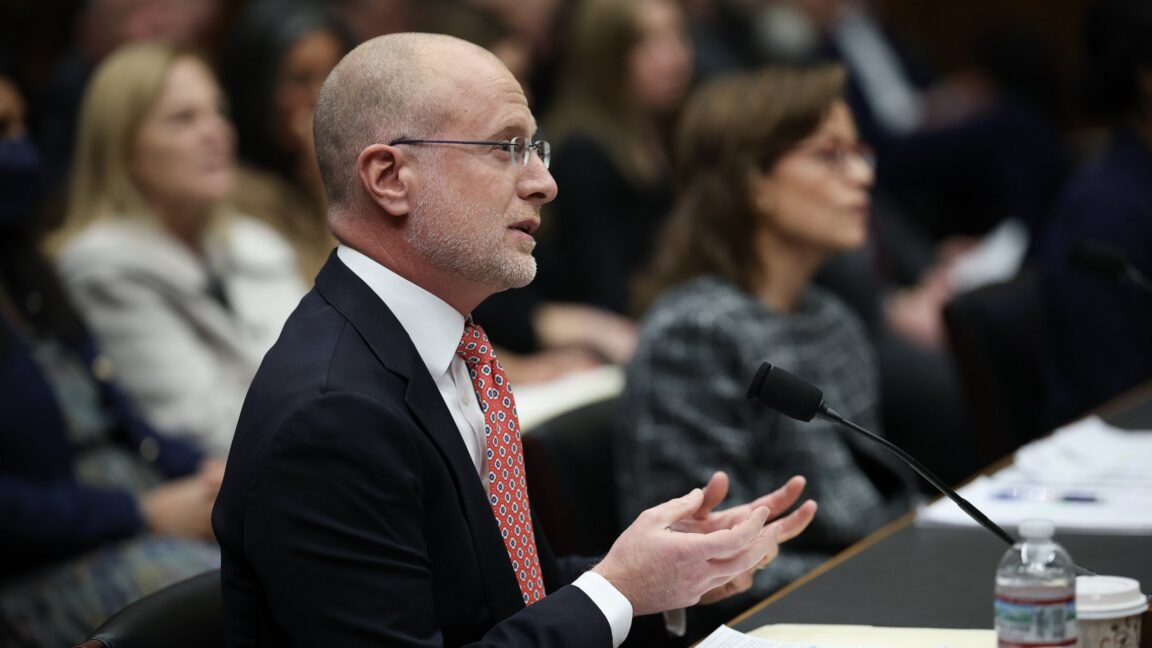
Carr hits back at California
Carr wrote in his response to Newsom that the FCC inspector general’s report “specifically identified thousands of people who were enrolled after they had already died.” However, the Inspector General’s report was not so certain, putting the number in the thousands.
The report states that “at least 16,774 (and possibly up to 39,362) decedents were previously enrolled after their death and claimed by a provider.” The Office of Inspector General could not determine whether “the remaining 22,588 deceased customers’ claims were filed before or after their death because opt-out states do not report enrollment dates.”
Carr also wrote in her response to Newsom that “payments to providers for people who died or who might have died before enrollment took more than 50 months in cases and several months on average.” The inspector general’s report stated that “providers sought reimbursement for enrolled clients after their death for a range of 1 to 54 months, with an average of 3.4 months,” but did not specify which state or territories reached the 54-month mark.
Carr has continued to address the topic throughout the week. “For the record, my position is that the government should not be spending your money to provide phone and internet service to dead people. Governor Newsom is clearly taking the opposite stance,” he wrote yesterday.
Asked whether the FCC would punish California, Carr said at yesterday’s press conference that “We’re looking at California and we’re going to make sure we hold bad actors accountable, and we’ll look at all remedies that are on the table.”
Gomez: FCC plan shuts out eligible customers
Anna Gomez, a Democrat at the FCC, said Carr’s proposed rule “goes far beyond what is necessary to protect the integrity of Lifeline”. He said, “By proposing to use the same cruel and punitive eligibility standards recently imposed for Medicaid coverage, the Commission risks excluding large numbers of eligible families, including seniors, people with disabilities, rural residents, and tribal communities, from a proven lifeline that millions rely on to stay connected to work, school, health care, and emergency services.”
<a href