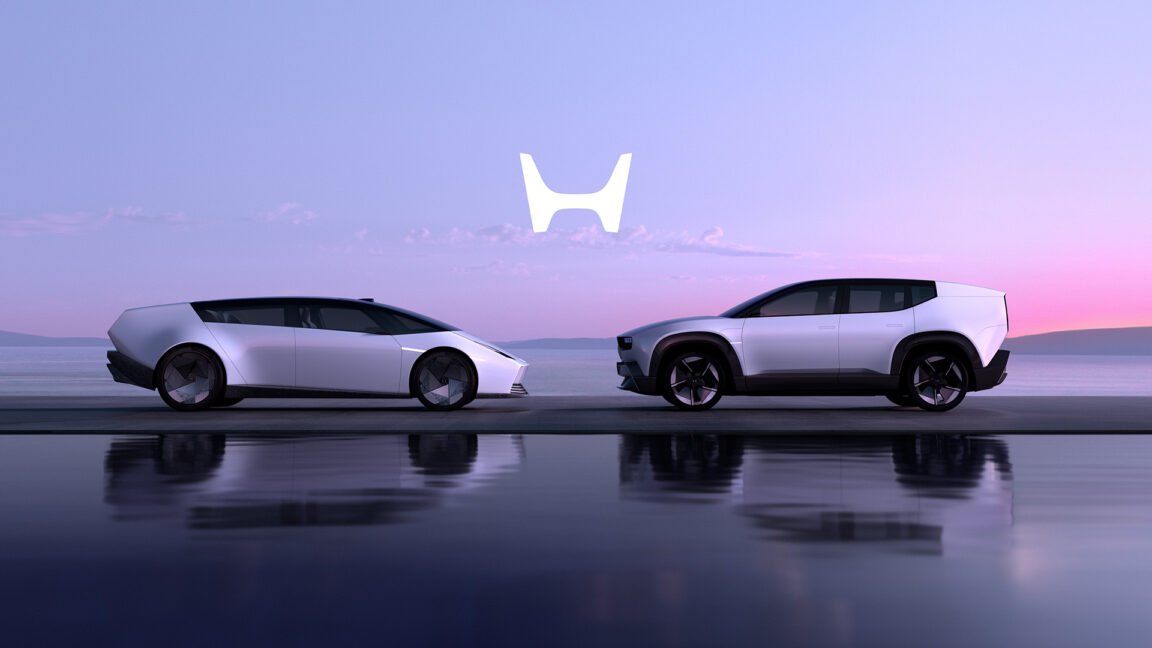
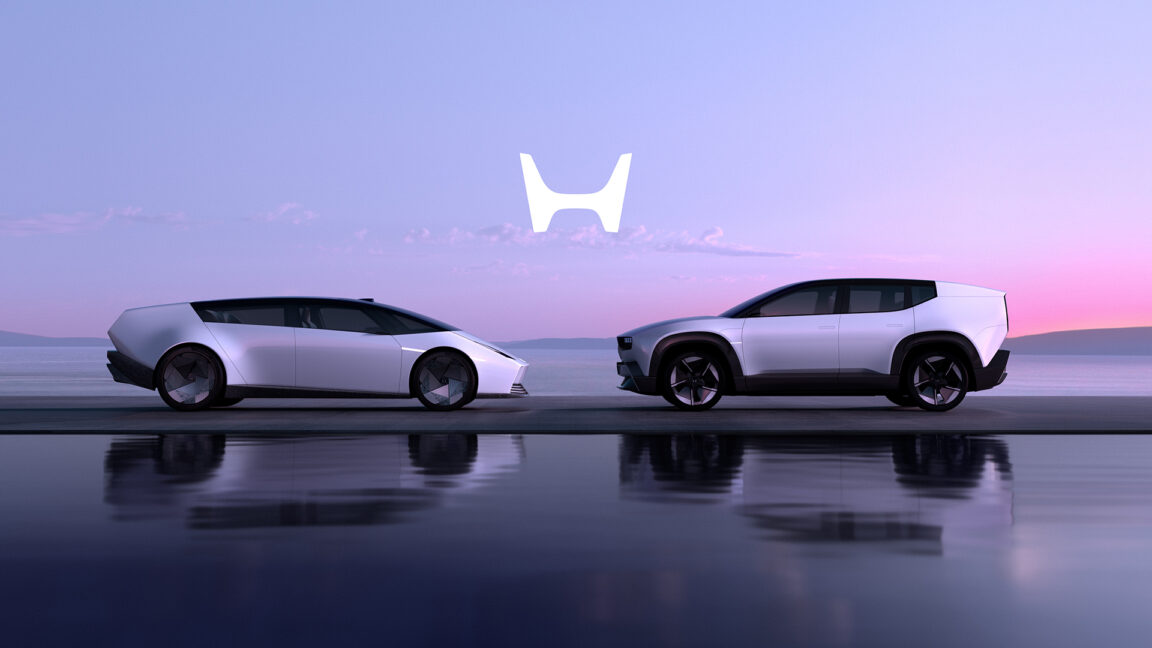
But Honda’s problems are bigger than the US government’s anti-environmental moves. No, his other problem is in China, where he believes he can’t compete. Chinese customers don’t care about efficiency or interior space; They want software features, and lots of them. And they also want them to be updated regularly.
“Competition has intensified due to the rapid emergence of new EV manufacturers, which take advantage of their shorter product development cycles and strengths in the area of software-defined vehicle (SDV) technologies, including advanced driver-assistance systems (ADAS),” Honda says. And it has not been able to match that rate of growth or offer vehicles in China that were better value for money, “resulting in a decline in competition.”
And if all this wasn’t enough, unlike China and the EU, US demand for EVs is weak and weakened by the expiration of the federal Clean Vehicle Tax Credit incentive, and the launch of the Honda 0.0 and the new RDX will only increase Honda’s losses.
The company says it will expand its hybrid offerings in the US, greenlighting EVs in the future only when demand and profitability can be met. Oh, and senior executives of the company will have to undergo voluntary pay cuts of between 20-30 percent for three months. I can’t help but wonder if Detroit might also consider this.
<a href