Peers have been given an extra 10 days to scrutinize the assisted dying bill, after a record number of amendments sparked concerns that time would run out to pass it into law.
The bill was backed by MPs in a historic vote in June and is now in its final stages in the House of Lords, where peers must agree on the wording of the legislation for the bill to become law.
There are fears that opponents are trying to talk over the bill by filing a record number of requests for changes, and are making very slow progress in discussing them.
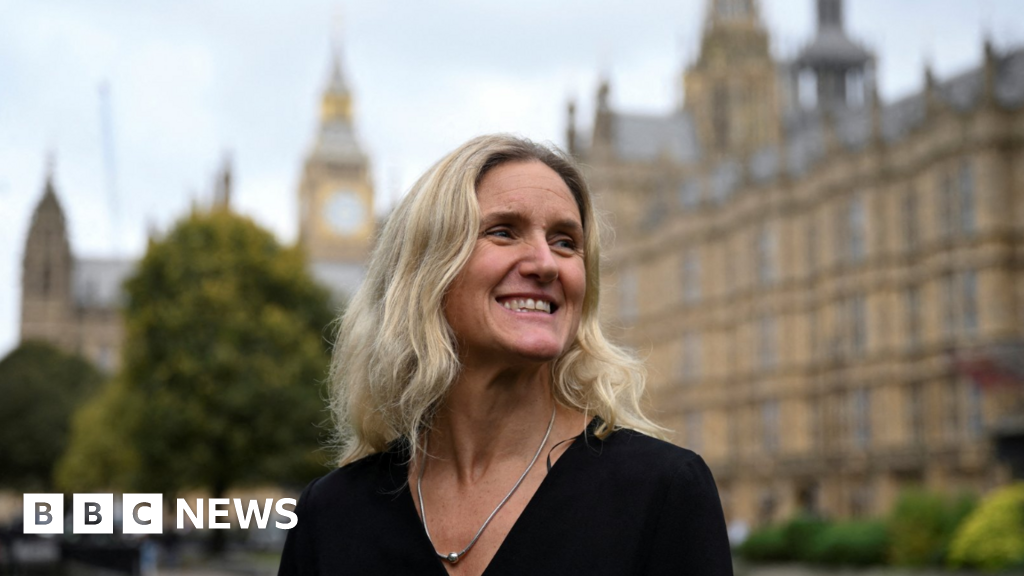
With the legislation being drafted as a private member’s bill by Labor MP Kim Leadbeater, there is a hard deadline for when agreement must be reached with peers.
The Terminally Ill Adults (End of Life) Bill will need to be approved by both the Commons and the Lords before the spring when the current session of Parliament ends.
If passed, it would allow terminally ill adults in England and Wales with less than six months to live to apply for an assisted death, subject to approval by a panel of two doctors and a social worker, senior legal person and psychiatrist.
Critics and opponents of the bill have asserted that the law needs significant redrafting to ensure proper protection of vulnerable people in any system.
However, after two of the four days reserved for the committee stage, when the bill is examined line-by-line, colleagues managed to discuss less than 30 of the more than 1,000 amendments lodged.
With only two more sessions scheduled before the end of the year, Childline founder Dame Esther Rantzen, who is seriously ill with cancer, last week warned peers not to “damage democracy”.
Leadbeater also shared his concern that “some of the processes and procedures that could be used are being used to defeat the bill, and that is extremely disappointing and troubling”.
Now, the Government Chief Whip in the Lords has announced that 10 additional Fridays will be given for debates in the Lords, taking place over a number of weeks between 9 January and 24 April in the New Year.
Lord Roy Kennedy said that given the large number of amendments it was “clear that the House needs additional time to examine the Bill”.
He said, “I have always been clear that since this government is neutral on the bill, no additional time will be given from government time.”
“I also recognize that given the importance of the subject and the number of colleagues wishing to participate, this inquiry cannot be held in Grand Committee, as some people have suggested to me.
“Therefore, I have arranged for the House to sit on eight additional Fridays in the new year in addition to the three Fridays already announced.”
He said the government was not trying to “dictate” how the bill would proceed, given its neutral stance.
Welcoming the decision, backbencher Leadbeater said he was pleased to have been given extra days to deal with the large number of amendments.
“It is right that peers use their expertise and experience to properly scrutinize the Bill and propose improvements to strengthen it where necessary,” he said.
“These additional days provide unprecedented debate time on a private member’s bill.
“There is no doubt that these days, used responsibly and creatively, will allow the Bill to progress through the Lords and enable Parliament to give dying people choice and dignity in their final days and protect their loved ones from the threat of prosecution.”
Lord Charlie Falconer, who is steering the bill through the Lords, said the extra dates mean that by April 24, the Lords will have 16 days to consider the legislation.
<a href