31
March 2026
Lawmakers in the European Parliament have backed a plan to redesign tourism across the EU, focusing on reducing pressure on crowded destinations and spreading travel more evenly across the region.
The Transport and Tourism (TRAN) Committee approved the proposal on March 18, 2026, with 33 votes in favor, four against and four abstentions.
The proposal, which still needs approval from the full parliament, calls for stronger transport links, closer monitoring of short-term rentals and new ways to guide visitors towards less-visited areas.
Changes in travel patterns
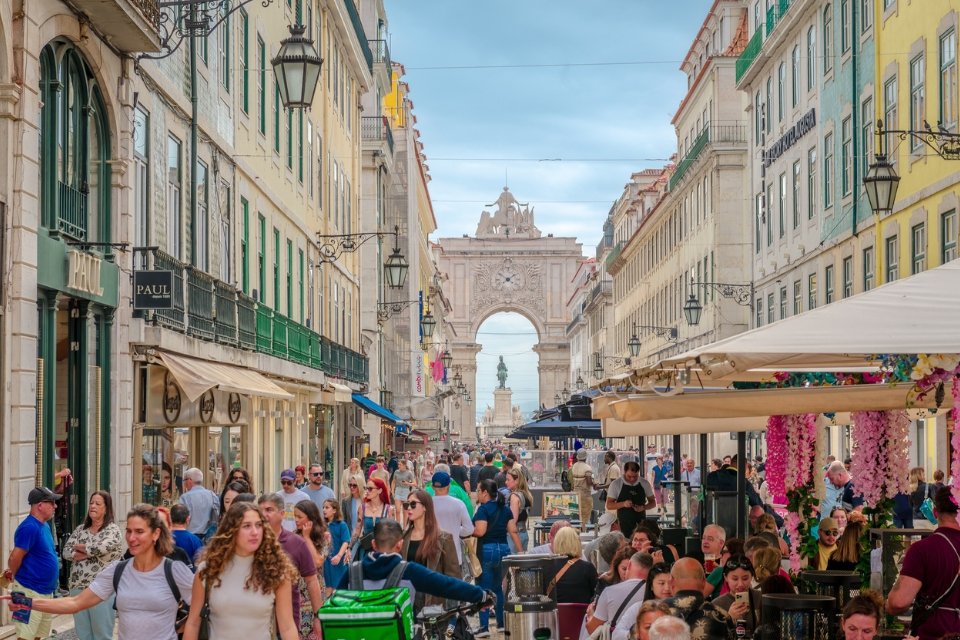
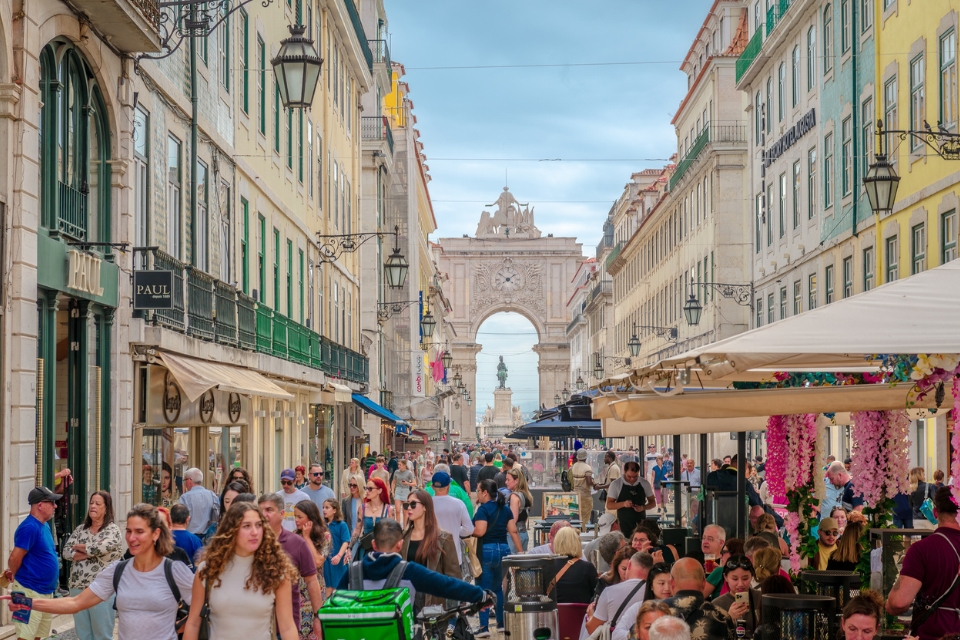
Members of the European Parliament identified overtourism as a major challenge facing the region. He noted that 80% of travelers visit only 10% of global destinations, putting intense pressure on a limited number of destinations.
To address this, lawmakers want tourism policy to redirect visitors to lesser-known destinations. These include rural areas, mountainous regions and remote destinations that often receive fewer tourists but have the capacity to host more.
The committee said promoting niche tourism could help balance demand. Sectors such as gastronomy, wine, beer, heritage, cycling and regenerative tourism were cited as ways to attract travelers while expanding tourism beyond the peak season.
Officials also hope that these efforts will generate income in areas that have not traditionally benefited from large-scale tourism.
Transport links are given priority
Improving transportation is a central part of the plan. MPs urged the European Commission to include measures in its upcoming sustainable tourism strategy that would strengthen air, sea and land connections to emerging destinations.
He also called for practical upgrades to make travel easier and more sustainable. These include support for electric vehicle leasing and charging infrastructure, as well as the expansion of cross-border night train services.
Another proposal includes accelerating the rollout of an integrated ticketing system that would allow passengers to combine rail, air and sea transport in a single booking.
The MPs argued that better connectivity would make it easier for travelers to explore new destinations and reduce reliance on already congested hotspots.

(Image courtesy of William87 via iStock)
Short-term rental review underway
The Committee also turned its attention to short-term rental platforms, which have grown rapidly in recent years.
Lawmakers welcomed the new EU rules, set to take effect on May 20, 2026, calling them a step towards better destination management. At the same time, he warned that current measures may not go far enough.
According to the committee, unregulated increases in short-term rentals could diminish the authenticity of local communities, lead to housing shortages and displace residents.
To address these concerns, lawmakers proposed a new EU framework that would introduce clearer rules for service providers. This could include defining different categories of hosts and allowing member countries to limit the number of nights a property can be rented out.
He also suggested authorization systems and zoning rules to help local authorities manage tourism flows more effectively.
Funding, workforce gap
Tourism taxes and workforce shortages were also part of the discussion.
Some cities and regions already use ecotourism taxes to fund local projects. Parliamentarians pointed to these examples as models that could be shared across the EU to support sustainable tourism development.
He said such taxes could be used to improve infrastructure, protect the environment and benefit local communities.
Labor shortage remains another challenge. To address this, MPs proposed creating a tourism skills card.
The employee’s training, qualifications and professional experience will be recorded in the card. Officials believe this could improve job mobility across the EU and help address workforce shortages in the region.

(Image courtesy of Mark Brussel via iStock)
Cultural role emphasized
MPs also highlighted the role of cultural workers, local organizations and volunteers in maintaining Europe’s tourism appeal.
He praised these groups for their contribution in preserving cultural heritage and supporting tourism activities at the local level.
The Committee called on the European Commission to develop guidelines that would encourage more cultural volunteering. Its objective is to strengthen community participation while protecting heritage sites.
The reporter outlined the strategy
Daniel Attard, the report’s Rapporteur and S&D Group member from Malta, described the proposal as a starting point for a broader EU tourism strategy.
“This report is a first step towards shaping Europe’s first sustainable tourism strategy,” Attard said.
He said the package addresses a number of key areas, including connectivity, managing tourism flows beyond hotspots, culture, environmental action, skills and mobility and short-term rentals.
This proposal reflects growing pressure within the EU institutions to coordinate tourism policy at regional level.

(Image courtesy of Stefanbridger via iStock)
The scale of the industry increases pressure
The risks are huge for the EU, which remains the world’s top tourist destination.
Tourism accounts for about 10.5% of EU GDP and supports about 12.3 million jobs across the bloc.
As demand continues to grow, policymakers are under pressure to balance economic benefits with environmental and social concerns.
Parliament vote pending
The committee proposal is not legally binding and must still be approved by the full European Parliament.
Voting could take place during the April plenary session.
If adopted, this proposal will guide the European Commission in drawing up a more detailed strategy for sustainable tourism across the EU.
For now, lawmakers have drawn up a roadmap that focuses on spreading tourism more evenly, improving infrastructure and tightening rules in areas where growth has outstripped regulation.
The next step will determine whether those ideas gain widespread political support.
<a href=