Research has shown that water companies have issued a fifth of the UK’s “green bonds” since 2017, despite a consistently poor record on sewage pollution during that time.
Privately owned water companies in England have issued £10.5 billion in bonds linked to projects that provide “environmental benefits”, according to an analysis of financial market data by Unearthed, which is part of Greenpeace UK.
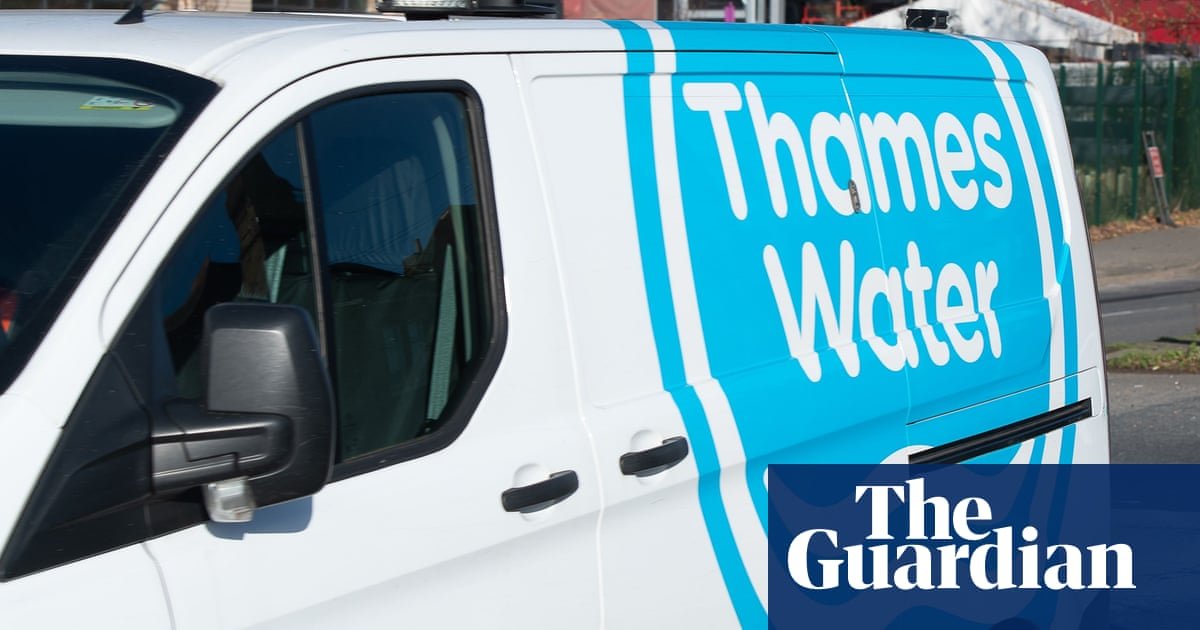
Anglian Water has been the largest issuer in the water industry with £3.5 billion, while Thames Water is second with £3.1 billion. The two companies were the third and sixth largest issuers of corporate green bonds overall since 2017.
Green bond issuers are expected to use the proceeds for defined purposes such as renewable energy, greenhouse gas control and clean transportation such as electric vehicles. Also includes sustainable water and waste water management. This means that many water companies have standard operating standards. In turn, companies are able to borrow more cheaply, as they attract investors with the hope of benefiting the environment while making profits.
Yet, after years of perceived underinvestment and payment of large dividends to shareholders, the privatized water industry in England and Wales has faced persistent criticism over its environmental record in recent decades.
The first green bond by a UK water company was issued in 2017, when Anglian, which supplies most of the east of England, raised £250m. However, the UK government’s Environment Agency said last month that environmental progress had declined across the region in the past year. Water industry critics said the poor performance raised questions about possible “greenwashing” in relation to the bonds.
James Wallace, chief executive of River Action, a clean water campaign group, said: “This is corporate greenwashing on steroids. UK water companies are raising billions of dollars through green bonds, while failing to deliver environmental improvements from these funds.
“Their crumbling infrastructure is destroying rivers and putting communities at risk while investors are rewarded. True green finance must deliver real benefits for the environment and public health, not hide ongoing pollution.”
Water companies accounted for 19% of all corporate issuance between 2017 and 2025. If the issuance by the Thames Tideway “Super Sewer” developer is taken into account, this proportion rises to 22%.
Thames Water’s dominant owners are pushing for the government to give it leniency on environmental standards for up to 15 years as part of a rescue plan. Unearthed also revealed that Thames has failed to publish impact reports detailing the environmental benefits of its bonds for two years. Although it is not a legal requirement, failure to publish a report is a violation of an industry standard.
The company said it is still committed to publishing impact reports for its green bonds. A spokesperson said: “The impact reports for 2022-23 and 2023-24, which will detail the allocation of £1.65 billion raised through our January 2023 green bond issuance, have not yet been published. We take our reporting responsibilities seriously, and on this occasion we have failed to meet expectations.”
After newsletter promotion
A spokesperson for Anglian said “significant and sustained investment in infrastructure” is needed to grow the economy while reducing pollution, and said the money raised “helped deliver significant environmental improvements”.
“We know there’s still a lot to do, especially on issues like pollution, but environmental performance is much broader than just that one measure,” the spokesperson said, pointing to carbon emissions reductions.
He said it is important that the government creates conditions for an “investable sector” through regulatory reform.
Water UK, a lobby group for the industry, declined to comment.
<a href